Introduction
Fall brings cooler days and a chance to plan next year’s harvest. But should you plant a tree now or wait until spring?
When comparing bare root vs potted fruit trees, start with your climate, soil, and delivery date. Both can grow into healthy trees. The best choice is the one you can plant and care for at the right time.

What Is the Difference Between Bare Root and Potted Trees?
Bare-root stock arrives without soil around its roots. It is usually sold while dormant, when growth has paused for winter.
Container-grown fruit trees arrive with roots held in soil or growing media. They offer a wider planting window, but being in a pot does not make a tree safe to plant in any weather.
Bare root trees vs Potted: A Quick Comparison
| What to compare | Bare-root stock | Container-grown stock |
|---|---|---|
| Root handling | Keep exposed roots moist and shaded | Check the root ball for circling roots |
| Planting window | During dormancy, before growth starts | Broader window when conditions suit the tree |
| Availability | Often seasonal | Depends on the variety and nursery |
| Cost | Often lower | Often higher |
| Watering | Prevent roots from drying before planting | Check moisture in both the potting mix and surrounding soil |
Inspect both forms carefully. Healthy root systems matter more than a large canopy.
When Does Fall Fruit Tree Planting Make Sense?
The right time of year depends on local conditions. Your soil must be workable, and you must be able to water after planting.
In cold-winter regions
Early spring is often the safer choice for bare-root stock. Plant before buds open, once the ground can be worked.
A hardy container tree may suit an earlier fall planting. However, do not rush to plant trees just before the ground freezes. Roots need suitable soil temperatures and moisture for root establishment.
In mild-winter regions
Dormant tree planting often takes place during winter. In Sonoma County, California, for example, winter is the usual bare-root planting season. This is regional advice, not a nationwide calendar.
Before deciding when to plant fruit trees, check your growing zone. Remember that hardiness zones describe winter cold, not planting dates.

Choose the Variety Before the Packaging
Comparing different fruit trees means looking beyond size and price. Check mature spread, winter hardiness, chill needs, and harvest season.
Different kinds of fruit trees also have different pollination needs. Many apples and some cherry trees need a compatible partner with overlapping bloom. Two unrelated species will not provide useful cross pollination.
Look for locally suitable cultivars described as disease resistant, and check which disease that claim covers. Our bare-root tree selection guide explains these choices.
When weighing bare root fruit trees vs potted, choose the right cultivar and rootstock first. Packaging cannot fix a poor climate match.
Trees to Consider From Grow Organic
The collections include different types of fruit trees, but availability does not always match the season you want to plant.
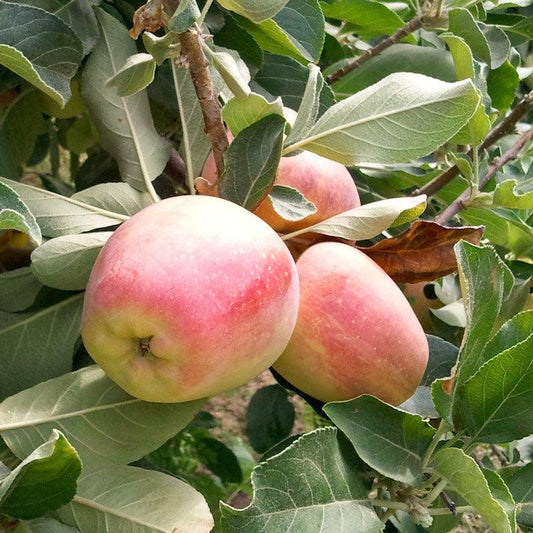
- Granny Smith Apple Tree: A bare-root option listed for zones 6–9. At this review, it was sold out with estimated availability of January 15, 2027. Consider it for future dormant-season planting, not immediate fall delivery.
- Maurino Potted Olive Tree: A potted option listed for zones 8–10. It needs a compatible olive pollinizer. Fall planting is worth considering only where local winter conditions suit young olives.
Browse bare root trees and potted fruit trees before ordering. Confirm availability, dispatch timing, and state restrictions.
Current listings place these trees in separate shipping groups. Qualifying six-tree orders receive free standard shipping within the contiguous states; product exclusions apply.

Plant Now or Wait?
Before planting fruit, check the site and your care plan.
Plant now when:
- The species suits your climate and local planting window.
- The ground is workable and the site has well-drained soil.
- You can keep the root zone moist after planting.
Wait when:
- Soil is frozen or waterlogged.
- Severe cold is approaching and local guidance favors spring.
- The tree will not arrive during a suitable planting window.
New trees require follow-up care throughout the next growing season. Check soil moisture rather than watering by a fixed calendar.
For planting depth and root handling, follow our bare-root planting guide or guide to planting trees from pots.
Keeping a tree in a container? Review the potted fruit and nut tree growing guide, then use our container-tree care guide for ongoing care.
Give Your Tree the Right Start
For home gardeners, the choice between bare root vs potted trees comes down to timing, variety, and care. Support steady root growth rather than rushing to plant before winter.
A well-chosen tree planted at the right time has a better start than one bought only because it is available.