The “best” peach depends on what you plan to do with the harvest. A soft, aromatic peach can be superb eaten fresh but awkward to slice; a firm freestone type may be easier for baking or freezing. This guide matches peach characteristics to kitchen uses without duplicating the climate and orchard-selection guidance on other pages.

Fresh Eating
For eating out of hand, prioritize flavor, aroma, and texture at full maturity. White- and yellow-fleshed cultivars can both be excellent. Harvest window matters if you want fruit over several weeks rather than one large crop.
Jam and Preserves

Choose fully flavored, sound peaches. Freestone fruit simplifies preparation, but pit type does not determine whether a peach tastes good in jam. Use a current tested recipe and do not reduce required sugar or acidity unless the recipe specifically provides that option; safe shelf-stable preservation depends on the tested proportions and process.
Canning

Firm, mature peaches that hold their shape are easier to halve or slice. Yellow-fleshed peaches are the standard choice in many tested home-canning recipes. White-fleshed peaches can differ in acidity and should not be substituted into a shelf-stable canning recipe unless a reliable authority specifically approves the method. Follow a current extension or recognized food-preservation recipe exactly.
Baking

For pies, cobblers, and crisps, select fruit with pronounced peach flavor and enough firmness to retain some texture after heating. Very juicy fruit may require recipe adjustments to the thickener—but use the recipe’s tested directions when the finished product will be canned.
Freezing and Drying
Freestone peaches are convenient for slicing. Treat cut fruit with an approved ascorbic-acid mixture according to its directions to reduce browning. Frozen peaches soften after thawing and work well in cooked dishes, smoothies, and sauces. For drying, use uniformly sliced, ripe, sound fruit and a tested dehydrator method.

Quick Trait-to-Use Guide
- Soft, melting texture: fresh eating and spoonable desserts.
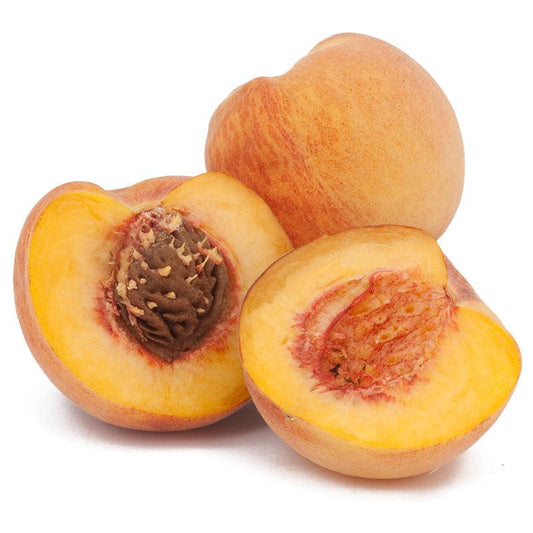
- Firm freestone: slicing, baking, freezing, and easier preparation.
- Clingstone: flavorful processing fruit when extra pit-removal work is acceptable.
- High aroma and balanced acidity: jams, sauces, and desserts with strong peach character.
- Staggered harvest dates: a practical choice when one household cannot process the entire crop at once.
Choose the Tree, Not Just the Recipe
After deciding how the fruit will be used, confirm that the cultivar fits the site’s winter chill, hardiness, pollination needs, disease pressure, and available space. Read the peach-type guide for unusual fruit traits and the peach ripeness guide before harvest.
Browse bare-root peach trees and compare the current product descriptions for flesh color, pit type, chill estimate, and harvest season.