
Collection: Fall Planted Cover Crops
Plant an annual cover crop to enrich your soil

-
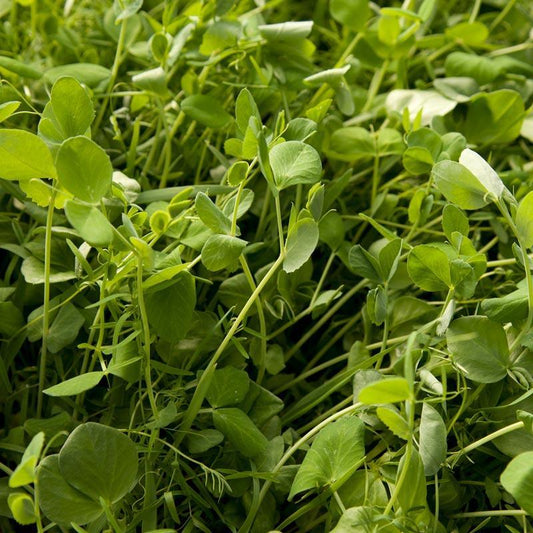
Peaceful Valley Premium Soil Builder Mix - Raw Seed (lb)
Regular price $4.99Sale $4.99Unit price per -
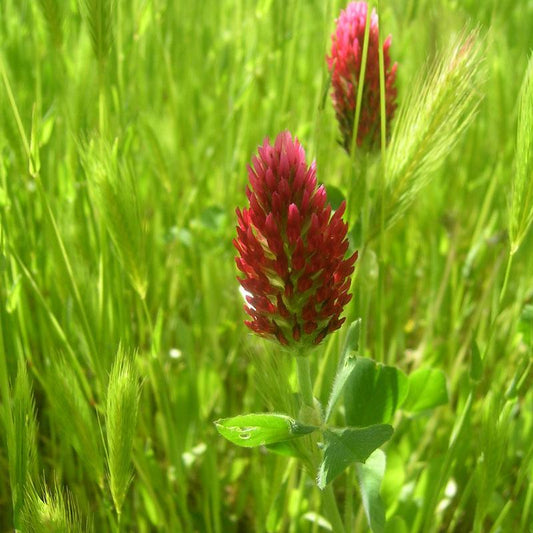
Crimson Clover - Nitrocoated Seed (lb)
Regular price $8.99Sale $8.99Unit price per -

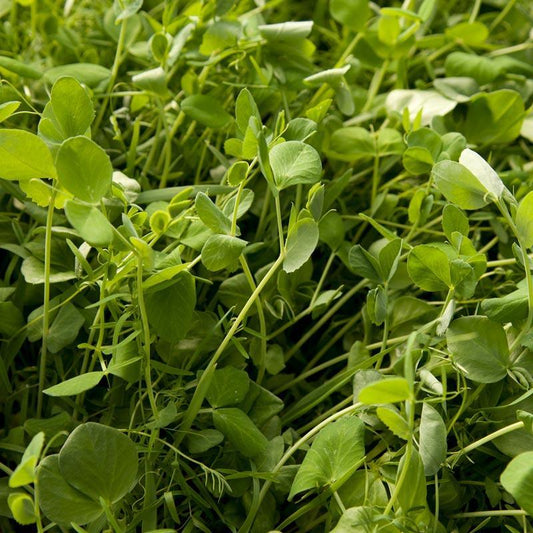
Peaceful Valley Organic Premium Soil Builder Mix - Raw Seed (lb)
Regular price $4.99Sale $4.99Unit price per -
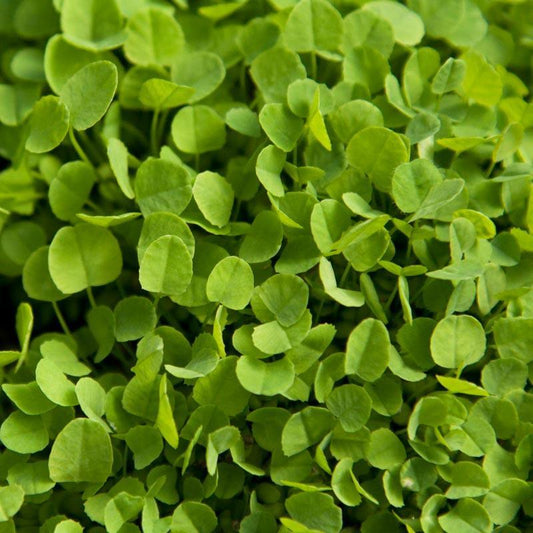
Dutch White Clover - Nitrocoated Seed (lb)
Regular price $10.99Sale $10.99Unit price per -
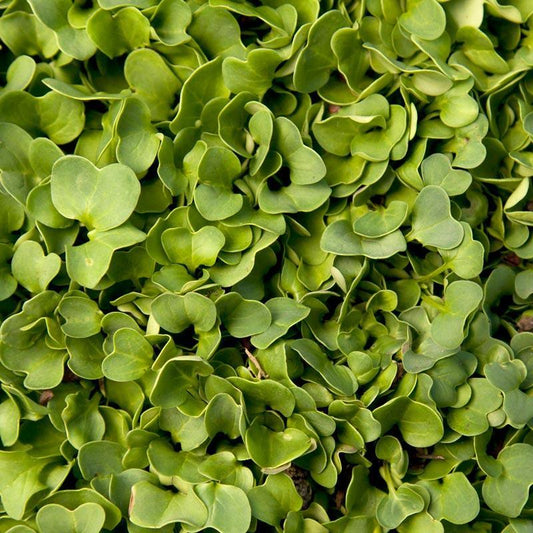
Daikon Radish Seed (Oilseed) (lb)
Regular price $4.99Sale $4.99Unit price per -
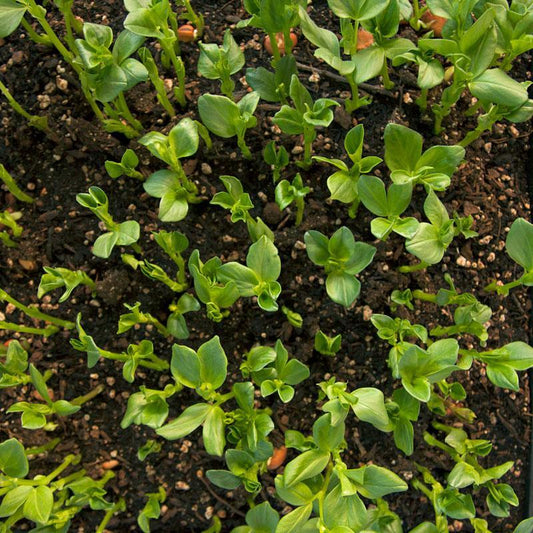
Fava Bean, Windsor, Raw Seed (lb)
Regular price $4.99Sale $4.99Unit price per -
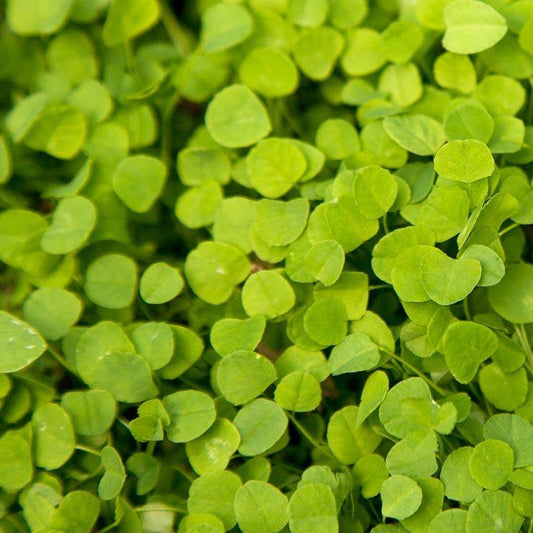
Peaceful Valley Low-Growing Clover Mix - Nitrocoated Seed (lb)
Regular price $10.99Sale $10.99Unit price per -
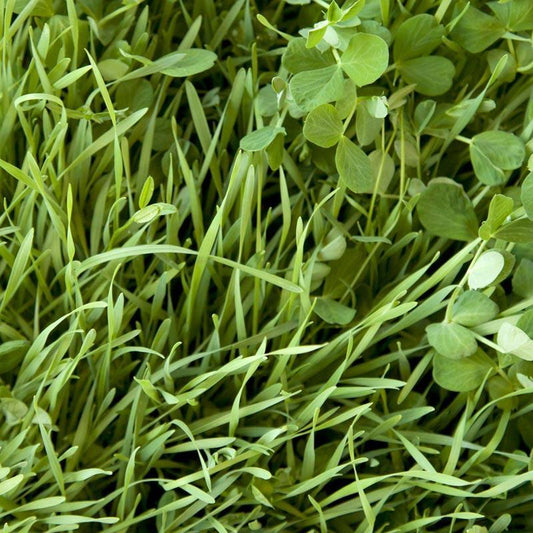
Peaceful Valley Sod Buster Mix - Seed (lb)
Regular price $4.99Sale $4.99Unit price per -
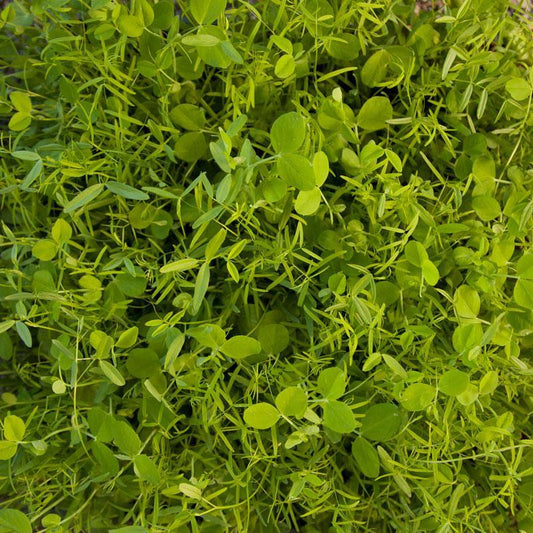
Peaceful Valley Cold Zone Soil Builder Mix - Raw Seed (lb)
Regular price $4.99Sale $4.99Unit price per -
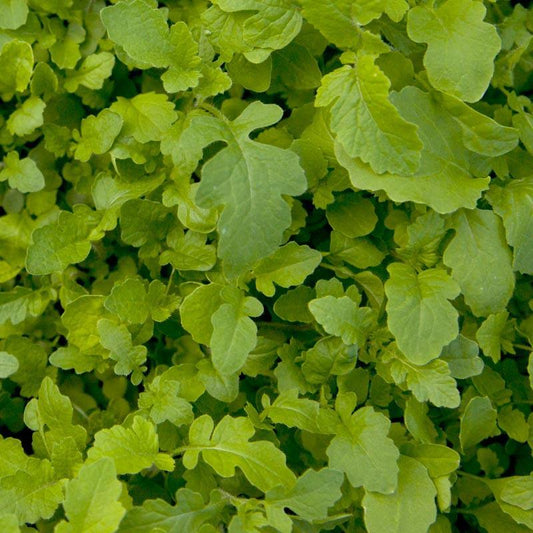
Peaceful Valley Mustard Mix - Seed (lb)
Regular price $5.99Sale $5.99Unit price per -
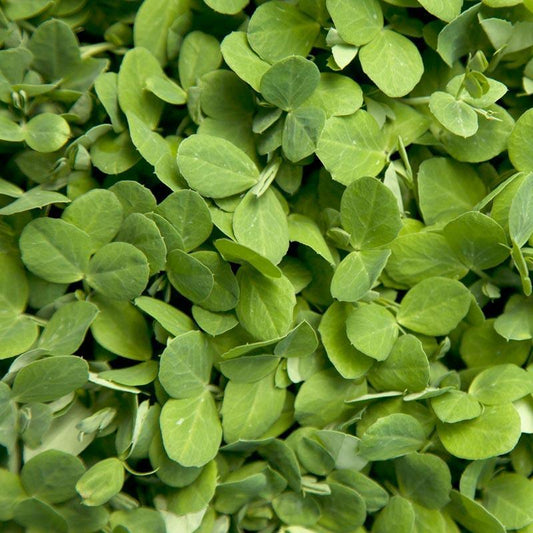
Austrian Winter Peas - Raw Seed (lb)
Regular price $7.99Sale $7.99Unit price per -
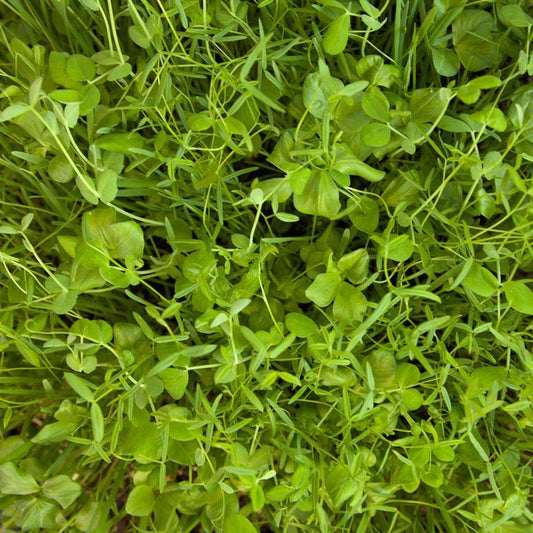
Peaceful Valley Budget Soil Builder Mix - Raw Seed (lb)
Regular price $4.99Sale $4.99Unit price per -

White Oats Seed (lb)
Regular price $4.99Sale $4.99Unit price per -

New Zealand White Clover - Nitrocoated Seed (lb)
Regular price $10.99Sale $10.99Unit price per -
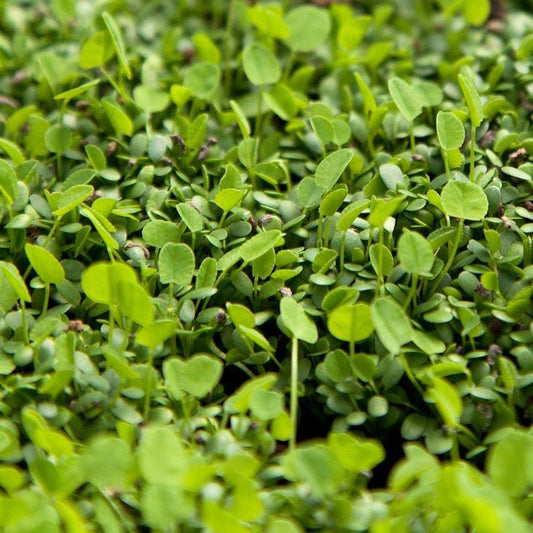
Palestine Strawberry Clover - Nitrocoated Seed (lb)
Regular price $10.99Sale $10.99Unit price per -
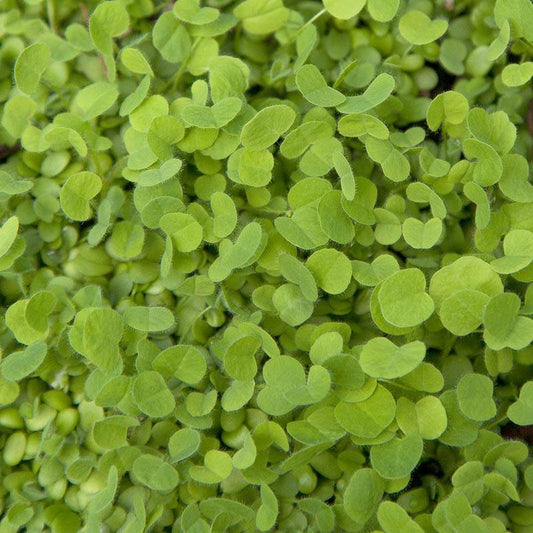
Doublecut Red Clover - Nitrocoated Seed (lb)
Regular price $9.99Sale $9.99Unit price per -
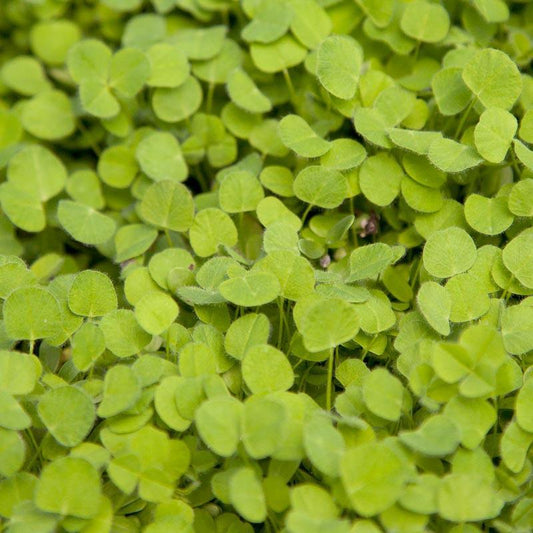
Subterranean Clover Mix - Nitrocoated Seed (lb)
Regular price $9.99Sale $9.99Unit price per -
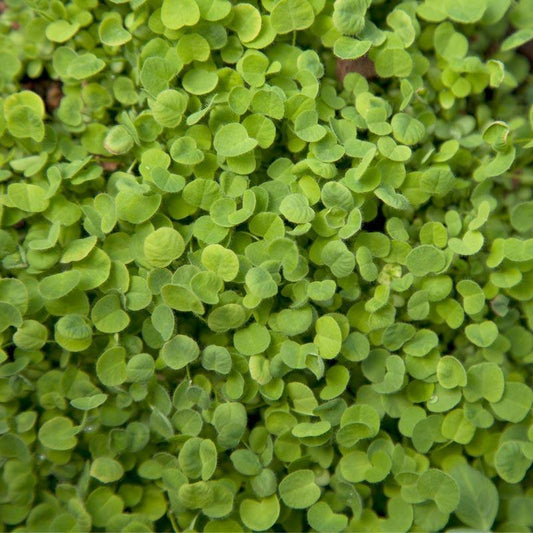
Organic Red Clover - Raw Seed (lb)
Regular price $10.99Sale $10.99Unit price per -

Bell Beans - Raw Seed (lb)
Regular price $4.99Sale $4.99Unit price per -
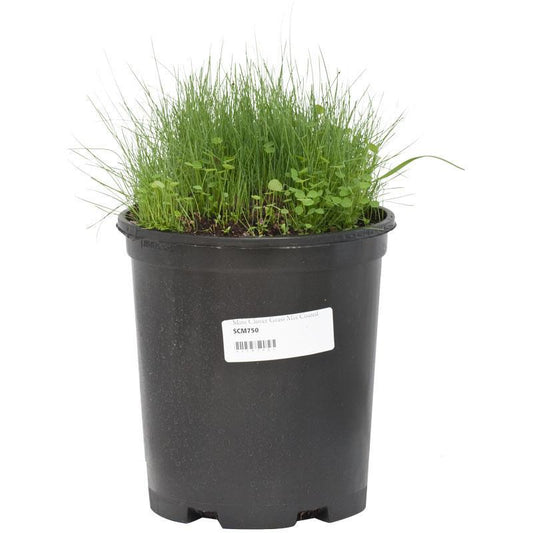
Peaceful Valley Mini Perennial Clover & Grass Mix - Nitrocoated Seed (lb)
Regular price $8.99Sale $8.99Unit price per -
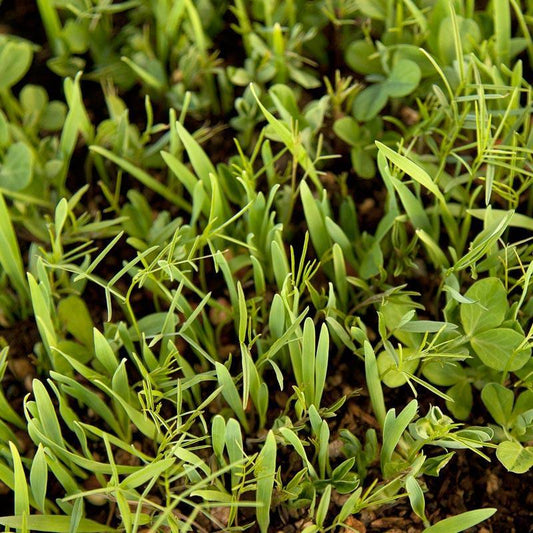
Peaceful Valley Legume Oat Mix #1 - Raw Seed (lb)
Regular price $4.99Sale $4.99Unit price per -

Birdsfoot Trefoil - Nitrocoated Seed (lb)
Regular price $11.99Sale $11.99Unit price per -
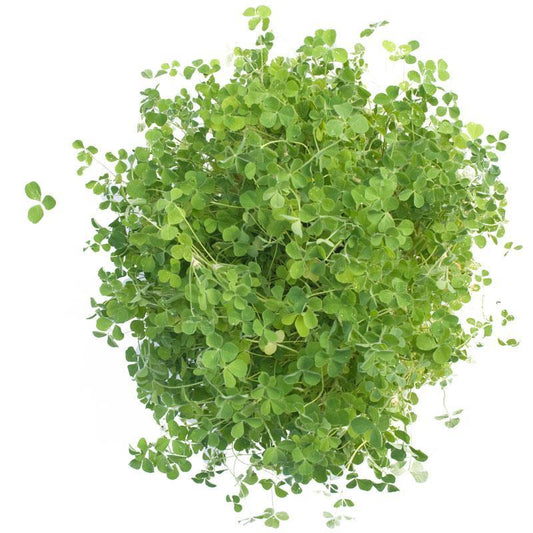
Peaceful Valley Dryland Clover Mix - Nitrocoated Seed (lb)
Regular price $9.99Sale $9.99Unit price per -

Wheat Red Winter Seed (lb)
Regular price $4.99Sale $4.99Unit price per -

Oregon Annual Ryegrass Seed (lb)
Regular price $4.99Sale $4.99Unit price per -
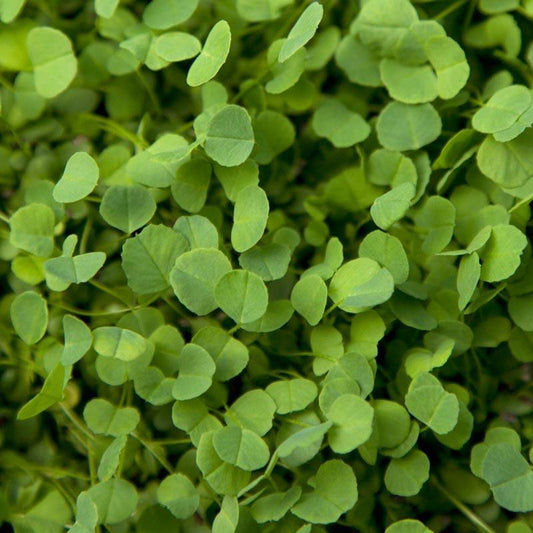
Non-Dormant Alfalfa - Nitrocoated Seed (lb)
Regular price $10.99Sale $10.99Unit price per -
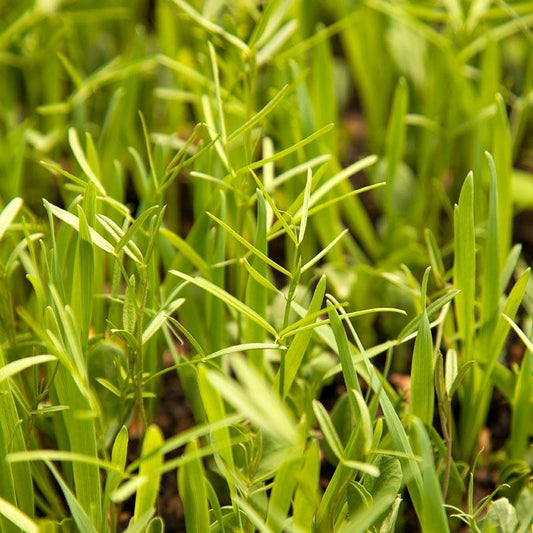
Organic Peaceful Valley Budget Soil Builder Mix - Raw Seed (lb)
Regular price $4.99Sale $4.99Unit price per -
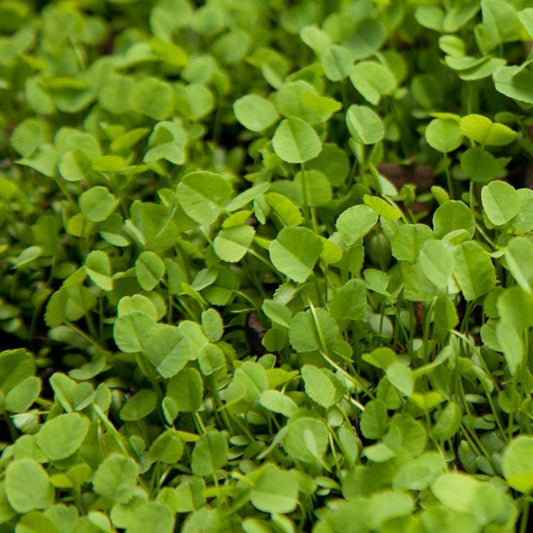
Ladino White Clover - Nitrocoated Seed (lb)
Regular price $10.99Sale $10.99Unit price per -
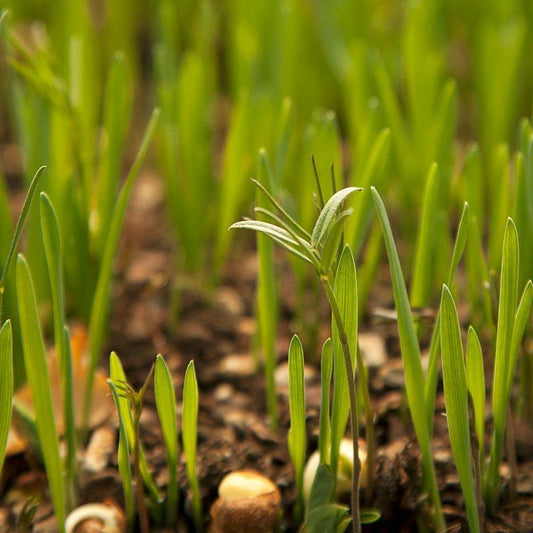
Peaceful Valley Legume Oat Mix #2 - Raw Seed (lb)
Regular price $4.99Sale $4.99Unit price per -

Purple Vetch - Raw Seed (lb)
Regular price $4.99Sale $4.99Unit price per -

Biomaster Peas - Raw Seed (lb)
Regular price $4.99Sale $4.99Unit price per -

Beardless Barley Seed (lb)
Regular price $4.99Sale $4.99Unit price per


Collection: Cover Crops That Grow Best in Cooler Temperatures
Fall-planted cover crops protect and improve soil during the cool season, when garden beds and farm fields might otherwise remain bare. Depending on the species, climate, and management plan, they can provide winter soil cover, produce biomass, capture nutrients, compete with weeds, reduce erosion, or contribute nitrogen through successfully established legumes.
Choosing for a home garden? Use the Cover Crop Selector for Home Gardens to answer a few quick questions and get recommendations based on your growing space, season, and garden goals—plus estimated seed and inoculant needs.
When to Plant Fall Cover Crops
Sow early enough for the crop to establish before growth slows in cold weather. The correct window depends on your location, first-frost timing, winter temperatures, irrigation or rainfall, and the species selected. Cold-hardy crops such as cereal rye may establish later than less hardy options, while legumes generally need enough autumn growth to develop roots and nodules before winter.
Choose by Crop Type
- Legumes, including clovers, vetches, peas, and beans, can fix atmospheric nitrogen when compatible rhizobia are present.
- Non-legumes, including grains, grasses, brassicas, and broadleaf crops, are often selected for biomass, nutrient capture, soil cover, or rooting.
- Cover crop mixes combine complementary species for broader performance across variable conditions.
Raw, Nitrocoated, and Organic Seed
Check each product page for certified-organic status and whether the seed is raw or Nitrocoated. Raw legumes may require a compatible seed inoculant. Nitrocoated seed already includes an inoculant coating. Certification, coating, and inoculation are separate product characteristics.
Plan for Spring Termination
Choose a termination method before planting. Winter-killed crops may leave manageable residue, while winter-hardy crops may require mowing, grazing, cutting, rolling, or incorporation. Allow adequate time between termination and planting the next crop, particularly when managing heavy grass residue or mature stands.
Use the Cover Crop Solution Chart to compare planting windows and uses. For summer planting, visit Warm Weather Cover Crops; for persistent stands, explore Year Round Cover Crops.