How to Use Blood Meal in the Garden: A Simple Guide for Stronger Plant Growth
Understanding how to use blood meal can make a noticeable difference in plant health, especially if your soil is low in nitrogen. This natural fertilizer is widely used in organic garden systems because it delivers a fast, effective boost when plants need it most.
This guide explains blood meal uses, when to apply it, and how to avoid common mistakes.

What Is Blood Meal Used For?
Before applying it, many gardeners ask what is blood meal used for and what is blood meal used for in the garden.
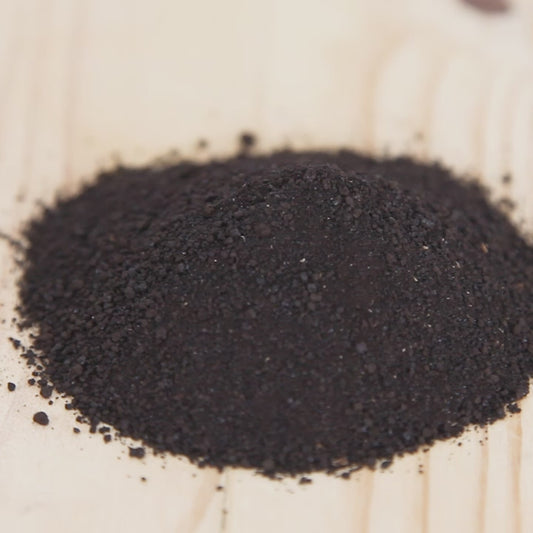
Blood meal is a high nitrogen fertilizer made from dried animal blood. Because blood is dried and processed into a fine powder, it becomes a concentrated source of nitrogen that plants can access quickly.
This makes it especially useful for:
- Supporting leafy growth
- Correcting nutrient deficiencies
- Feeding fast-growing crops during the growing season
In practical terms, the main uses of blood meal focus on boosting foliage rather than fruit or root production.
Benefits of Blood Meal in the Garden
Using blood meal in the garden provides several advantages when applied correctly.
- Promotes strong growth in leafy green crops
- Plants benefit from blood meal when nitrogen is low
- Supports crops such as brussels sprouts and heavy feeders like corn
- Improves performance in vegetable gardens
Because of these benefits, blood meal for garden use is especially common in early-season feeding programs.

How to Use Blood Meal Fertilizer
Basic Application Method
Knowing how to use blood meal fertilizer starts with proper placement and timing.
- Sprinkle evenly over the soil
- Lightly mix into the top layer
- Water thoroughly after application
This approach works well for applying blood meal to garden beds before planting.
Application Rates
Following the correct application rate is important.
A general guideline is about 1 to 2 pounds per 100 square feet, but rates vary depending on crop needs and soil conditions. A soil test is the best way to determine exact needs.
Using too much can harm plants, so it is important to measure carefully.
When to Use Blood Meal
Timing matters when deciding when to use blood meal.
- Apply early in the growing season
- Use when plants are actively growing
- Avoid late-season applications that push soft growth
This ensures nutrients are used efficiently rather than wasted.

How to Use Blood Meal in Vegetable Gardens
For those growing food, blood meal for vegetable garden use is very common.
In Garden Beds
When adding blood meal in vegetable garden beds:
- Work it into soil before planting
- Use as side dressings for established crops
- Focus on leafy crops and nitrogen-demanding plants
This method supports steady growth throughout the season.
For Specific Crops
Certain plants respond especially well to blood meal vegetable garden use.
- Lettuce and spinach
- Kale and other greens
- Corn and similar heavy feeders
These crops rely on nitrogen for leaf production, making them ideal candidates.

Using Blood Meal in Containers
If you are wondering how to use blood meal in potted plants, the approach is similar but scaled down.
- Use small amounts mixed into potting soil
- Water well after applying
- Avoid frequent reapplication
Because containers hold less soil, nutrients can build up quickly. Use caution when applying.
How Often to Use Blood Meal?
- Apply once at planting
- Reapply lightly if growth slows
- Avoid repeated heavy use
Since it acts faster than slow release fertilizers, it does not need frequent application.

Blood Meal and Bone Meal Together
Many gardeners combine blood meal and bone meal for balanced nutrition.
- Blood meal supports leaf growth
- Bone meal supports root development
Using blood meal and bone together provides a more complete feeding program.
When to Avoid Using Blood Meal
There are times when it is better to avoid using blood meal.
- When soil already has high nitrogen
- On root crops that need balanced growth
- In hot weather when plants are stressed
Overuse can lead to excessive leafy growth at the expense of fruit or roots.
Choosing the Right Blood Meal Products
If you are ready to use organic blood meal, here are some options:
- Organic Blood Meal 13.6-0-0 (50 lb) for larger spaces
- Organic Blood Meal 13.6-0-0 (25 lb) for mid-sized gardens
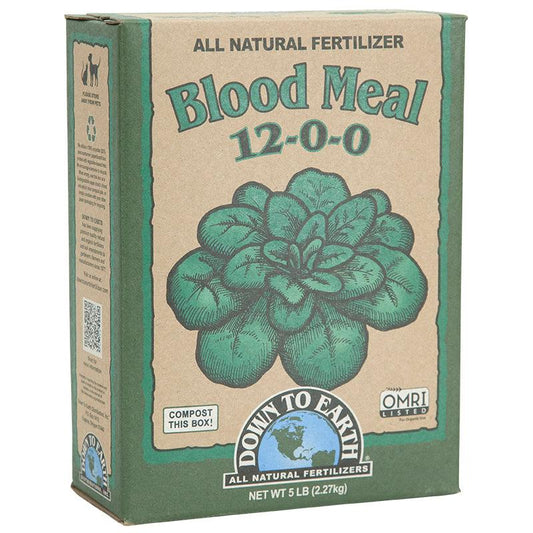
- Blood Meal 12-0-0 (4 lb Box) for smaller areas
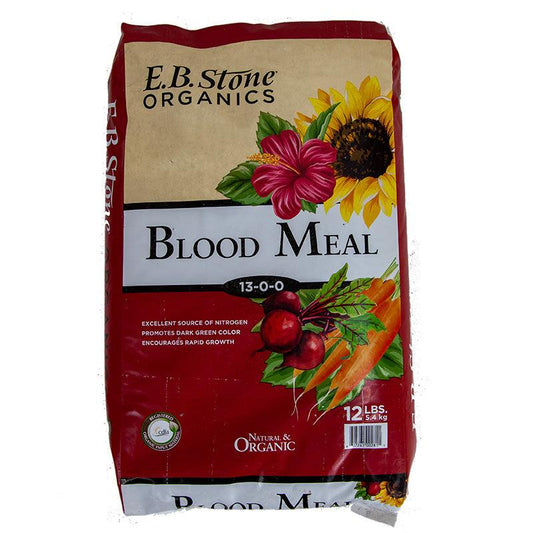
- Blood Meal 13-0-0 (12 lb bag) for general home use
You can also explore more options in this organic nitrogen fertilizer collection to build a complete feeding plan.
Conclusion
Understanding how to use blood meal in the garden helps you apply it with confidence. It is a powerful nitrogen source that supports strong plant growth, especially in vegetable gardens.
Use it carefully, follow proper rates, and apply it at the right time. With the right approach, blood meal becomes a reliable part of your organic growing routine.
FAQs About Blood Meal Fertilizer Uses
How to use blood meal?
What is blood meal used for?
How often to use blood meal on plants?
What plants benefit from blood meal?
Can you sprinkle blood meal on top of soil?
What animals are repelled by blood meals?
How quickly does a blood meal work?
Related Fertilizer Guidance
This page supports What Is Blood Meal? Benefits and Proper Usage Guide. Use that pillar for the complete decision process, then confirm the application with the current product label.