Blood Meal vs Bone Meal: Key Differences and Best Uses Explained
If you’re new to fertilizing your garden, it’s completely normal to feel unsure about blood meal vs bone meal. Both are popular in organic gardening, but they serve very different purposes. Once you understand how each one works, it becomes much easier to decide when to use them.
This guide breaks down the difference between blood meal and bone meal, explains how they affect plant growth, and shows how to use them correctly in your garden.

Are Bone Meal and Blood Meal the Same?
One of the most common beginner questions is, are bone meal and blood meal the same?
They are not the same. While both are natural organic fertilizer options and important soil amendments, they provide completely different nutrients.
- Blood meal is a strong source of nitrogen
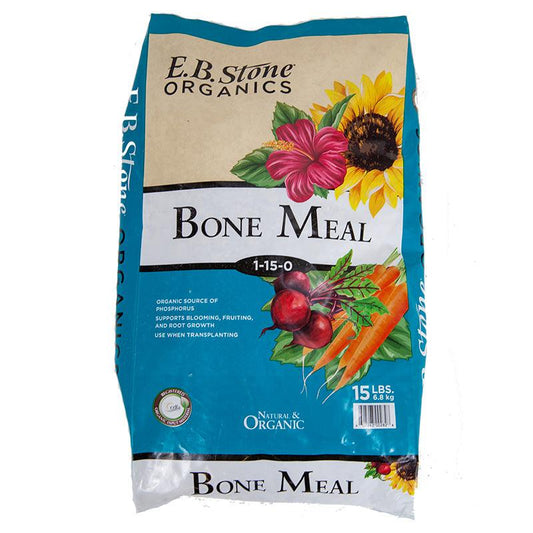
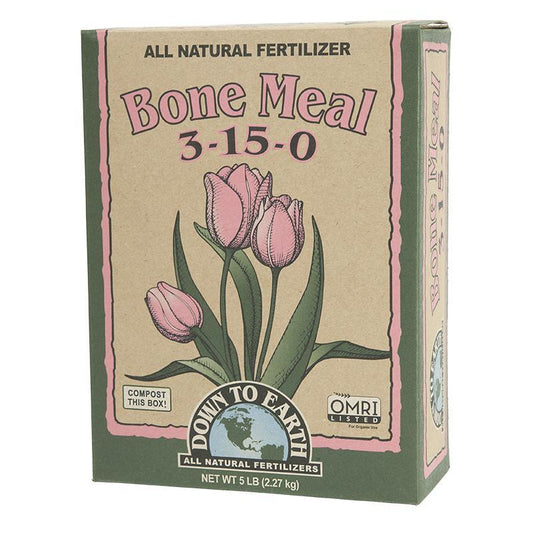
- Bone meal fertilizer provides phosphorus and calcium
This is the main reason gardeners compare bone meal vs blood meal or bone vs blood meal when choosing what to apply.
What Does Blood Meal Do in the Garden?
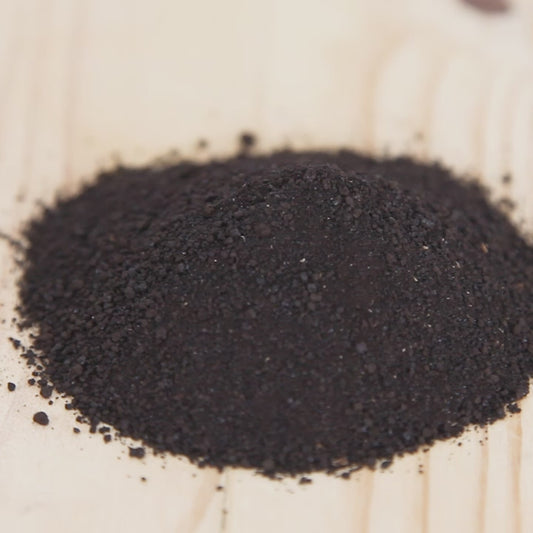
Blood meal is mainly used to increase nitrogen in the soil.
Why Nitrogen Matters
Nitrogen supports leafy growth. If your plants look pale or are growing slowly, they may have a nitrogen deficiency.
Adding blood meal helps:
- Improve green leaf growth
- Increase overall plant vigor
- Support early growth in vegetable gardens
Because it works quickly, it is not a slow release fertilizer, so it should be applied carefully.
Applying Blood Meal
When applying blood meal, always start with small amounts.
- Mix it into the top layer of soil
- Water it in after applying
- Avoid overuse to prevent excessive nitrogen levels
Too much nitrogen can cause plants to grow lots of leaves but fewer flowers or fruits.

What Does Bone Meal Do?
Bone meal works in a different way. It focuses on root and flower development.
Why Phosphorus and Calcium Matter
Bone meal contains phosphorus and calcium, which help:
- Strengthen plant roots
- Support flowering and fruiting
- Improve plant structure and stability
This makes it especially useful when planting new crops.
When to Use Bone Meal
Bone meal is often added directly to the planting hole when transplanting.
It works best in slightly acidic soil, where nutrients are easier for plants to absorb. If your soil pH is too high, the phosphorus may not be available to plants.
This is why doing soil tests before fertilizing is helpful. It tells you what your soil actually needs.
Blood Meal and Bone Meal Together
Many beginners ask, can you use bone meal and blood meal together?
Yes, and in many cases, this is the best approach.
Using blood meal and bone meal together provides balanced nutrition:
- Nitrogen for leaf growth
- Phosphorus for roots and flowers
- Calcium for overall plant health
This combination is often referred to as blood and bone meal fertilizer.
Using bone meal and blood meal together helps create a well-rounded feeding plan, especially in organic gardening systems.

Bone Meal or Blood Meal for Tomatoes?
A common question is bone meal or blood meal for tomatoes.
Tomatoes need both nutrients, but at different stages:
- Early growth needs nitrogen
- Later stages need phosphorus for fruit development
So instead of choosing blood meal or bone meal, most gardeners use both at the right time.
Blood and Bone Meal for Different Plants
Vegetable Gardens
In vegetable gardens, leafy crops benefit more from nitrogen, while fruiting crops need phosphorus later on.
This is why gardeners compare meal vs bone meal or meal vs bone depending on what they are growing.
Flowers and Roses
For flowers, especially roses, blood and bone meal for roses is a common practice.
- Blood meal helps early growth
- Bone meal supports blooming
Using blood and bone meal for plants ensures both strong growth and good flower production.

Choosing the Right Fertilizer
When deciding between bone meal or blood meal, think about what your plants need most.
Ask yourself:
- Do my plants need more leaves or more flowers?
- Is my soil lacking nitrogen or phosphorus?
- Have I done a soil test?
Understanding your soil and plant needs helps you use fertilizers more effectively.
Recommended Blood Meal Products
If your soil needs nitrogen, here are some good options:
- Organic Blood Meal 13.6-0-0 (50 lb) for large gardens
- Organic Blood Meal 13.6-0-0 (25 lb) for medium spaces
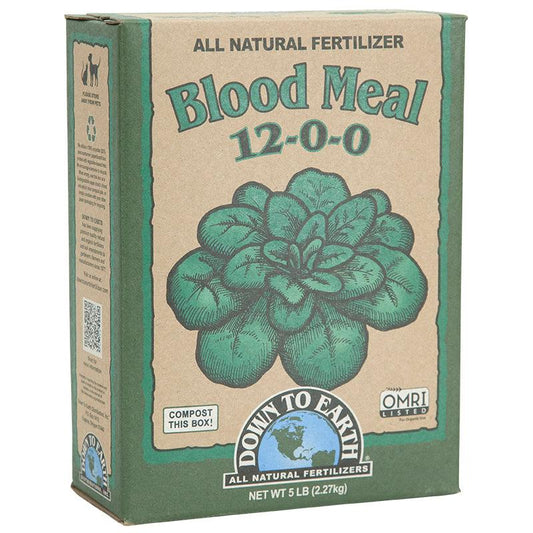
- Blood Meal 12-0-0 (4 lb Box) for small garden beds
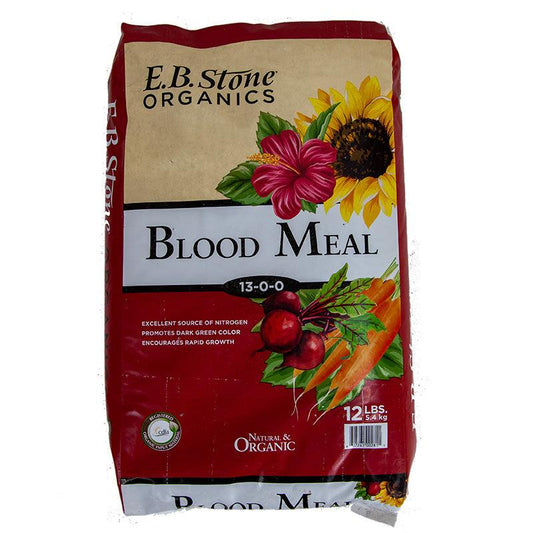
- Blood Meal 13-0-0 (12 lb bag) for general use
You can explore more nitrogen options in this organic nitrogen fertilizer collection to build a complete plan.
Conclusion
“When comparing blood meal vs bone meal, it helps to think of them as partners rather than competitors.
Blood meal supports leafy growth by increasing nitrogen and enriching the soil with organic matter. Bone meal supports roots and blooms by adding phosphorus and calcium while also contributing organic matter to improve soil structure.
Understanding the difference between bone meal and blood meal allows you to use each one at the right time. With careful use, both can improve soil health, add valuable organic matter, support plant growth, and lead to better results in your garden.”
FAQs About Bone And Blood Meal Fertilizer
What is better, bone meal or blood meal?
Which plants don't like blood and bone?
Do tomatoes like bone meal and blood meal?
Differences between blood meal and bone meal?
Should I use blood meal or bone meal?
Can you use bone meal and blood meal together?
Is blood meal or bone meal better for vegetable garden?
Do you use blood meal or bone meal?
Related Fertilizer Guidance
This page supports What Is Blood Meal? Benefits and Proper Usage Guide. Use that pillar for the complete decision process, then confirm the application with the current product label.