
Chard Companion Plants Explained: Top Swiss Chard Companion Plants to Grow
Swiss Chard is one of the most reliable leafy greens in the vegetable garden. It grows steadily through the season, tolerates heat better than many greens, and continues producing with regular harvest. But even a strong crop like chard benefits from the right plant neighbors and other good companion plants that support healthy growth.
Choosing the right Swiss Chard companion plants can improve growth, reduce pest pressure, and make better use of space in your garden beds. Including good companion plants alongside chard helps create a more balanced and productive garden, while poor plant pairings can lead to competition or increased pest problems.
This guide explains companion planting with Swiss chard, including what works well, what to avoid, and how to plan a productive layout using good companion plants.
If you are just getting started, review the basics of growing Swiss Chard in your garden before planning companion combinations.

Why Companion Planting with Swiss Chard Matters
Swiss Chard grows as a leafy vegetable with a shallow to moderate root system. It produces large leaves over a long growing season, which means it shares space and nutrients with nearby plants for months.
Using the right companion plants for Swiss Chard helps:
- Improve airflow and light access
- Support natural pest control
- Attract beneficial insects
- Maximize space in smaller garden beds
Companion planting is not a strict rulebook. It is a way to design your vegetable garden so plants support each other instead of competing.
How Swiss Chard Grows in the Garden
Understanding how chard grows makes it easier to choose good plant companions.
- Chard grows upright with wide, spreading leaves
- It tolerates partial shade but prefers full sun
- It produces continuously if harvested properly
- It competes moderately for nutrients and water
Because of its structure, chard pairs well with smaller plants and crops that do not crowd its leaves.
For a deeper look at plant spacing and growth habits, see this detailed chard growing guide for home gardeners.

Best Companion Plants for Swiss Chard
The best companion plants for Swiss Chard are those that either improve soil health, repel pests, or make efficient use of space.
Beans and Legumes
Both bush beans and pole beans are considered a great companion for chard.
- Beans help fix nitrogen in the soil
- This supports leafy growth in chard
- They grow upright or compact, depending on type
Because chard benefits from steady nutrients, legumes can support long-term growth without heavy fertilization.
Aromatic Herbs
Aromatic herbs play an important role in companion planting with chard.
Good options include:
- Summer savory
- Thyme
- Sage
These herbs may help with pest control by confusing insects and masking plant scent. They are especially helpful against pests like flea beetles and cucumber beetles, which can occasionally affect leafy greens.
Aromatic herbs also attract pollinators and beneficial insects, improving overall garden health.
Onions and Alliums
Onions, garlic, and chives are useful companion plants chard growers often rely on.
- Strong scent helps deter pests
- They grow vertically without shading chard
- They fit easily into tight garden spaces
These are particularly helpful in mixed vegetable garden beds.
Lettuce and Other Leafy Greens
Chard works well with other leafy greens, especially when planted with spacing in mind.
- Lettuce grows quickly and can be harvested early
- It shades soil and helps retain moisture
- It does not compete heavily with chard roots
This makes it a strong companion plant for Swiss chard in succession planting systems.

Plants That Do Not Work Well with Chard
Not all plant combinations are beneficial. Some crops compete too strongly or create poor growing conditions.
Heavy Feeders
Plants like corn or large brassicas may compete with chard for nutrients and water.
Since chard grows over a long period, it needs consistent access to soil nutrients.
Overcrowding Plants
Avoid planting chard next to crops that spread aggressively or block sunlight.
- Large squash vines
- Dense plantings of tall crops
These can shade chard and reduce leaf production.
Designing a Garden with Chard Companion Plants
When planning your garden, think in terms of layers and spacing.
Simple Layout Strategy
- Place chard in rows or clusters with space for airflow
- Add herbs along edges
- Plant beans nearby but not directly shading chard
- Use fast-growing greens as fillers
This type of companion planting for chard creates a balanced system where plants support each other.

Choosing the Right Chard Varieties
Different varieties can influence how you design your garden and how well your companion planting with Swiss chard performs.
Here are several reliable options to consider:
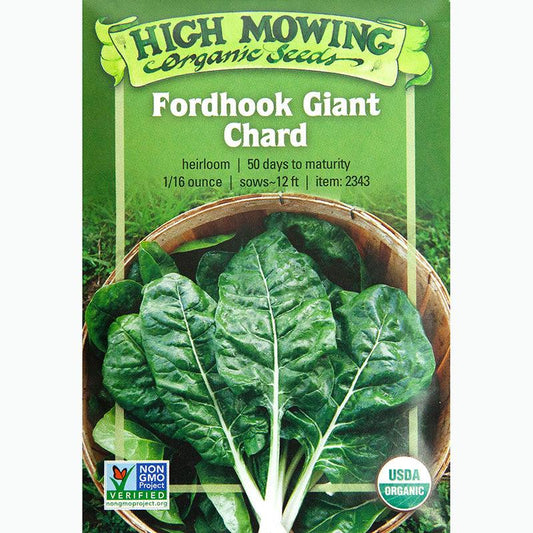
- Fordhook Giant Chard Seeds (Organic)
- A classic variety with large, productive green leaves and strong stems. It performs well across a range of conditions and is known for steady yields. Learn more in this overview of Fordhook Giant chard characteristics
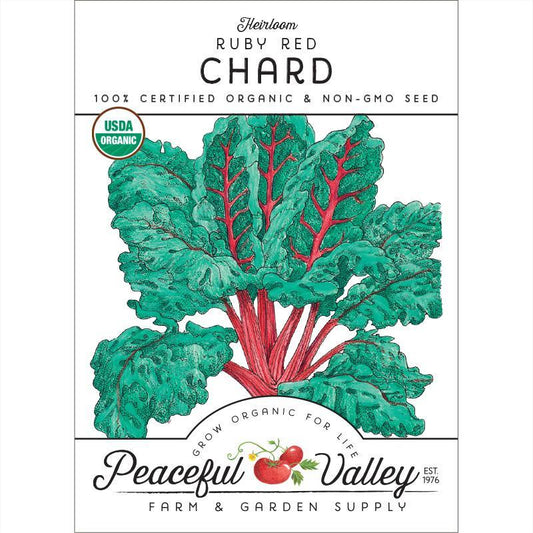
- Red Ruby Chard Seeds (Organic)
- A striking variety with deep red stems and good heat tolerance. It holds up well in warmer regions. See how it performs in this guide on growing ruby red chard in warm climates
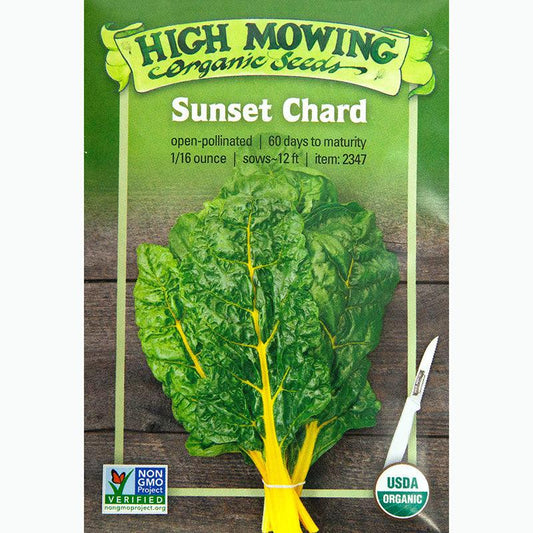
- Sunset Chard Seeds (Organic)
- Known for its colorful stems and balanced growth habit, this variety works well in mixed garden beds and adds visual interest alongside other crops
- Five Color Silverbeet Chard Seeds (Organic)
- Often referred to as rainbow chard, this mix produces a range of bright stem colors and is both productive and ornamental in the vegetable garden
- Tender Baby Leaf Chard Seeds
- Ideal for harvesting young, tender leaves for salads and fresh greens. This variety fits well in tight spaces and works nicely with smaller companion plants
You can explore more varieties in this collection of organic chard seeds for home gardens.
Choosing the right type helps ensure your chard grows well alongside other crops and supports a balanced companion planting system.
Common Companion Planting Mistakes
Even experienced gardeners make a few common mistakes with companion planting Swiss chard.
- Planting too closely and reducing airflow
- Ignoring plant size at maturity
- Mixing crops with very different water needs
- Overcrowding with too many companion species
Keeping things simple often leads to better results.
Conclusion
Using the right chard companion plants can make your vegetable garden more productive and balanced. By pairing chard with beans, herbs, and compatible leafy greens, you support steady growth while improving pest resistance and space efficiency.
The key is to understand how chard grows and choose plant companions that complement, rather than compete with it. With a thoughtful layout and consistent care, swish chard can thrive alongside a wide range of crops throughout the growing season.