Container Cucumbers: What Actually Works When Growing Cucumbers in Pots (and What Fails)
Cucumbers are usually thought of as sprawling garden plants, but many gardeners successfully grow them in containers every year. The key is knowing what actually works in a pot and what causes problems. Planting cucumbers in containers can be highly rewarding when their basic needs are met, but they struggle quickly if those needs are ignored.
This guide focuses on cucumber container gardening, with practical advice for beginners and useful refinements for experienced gardeners. We will cover containers, soil, watering, feeding, support, and common failures to avoid, helping you master planting cucumbers in containers for a healthy, productive harvest.
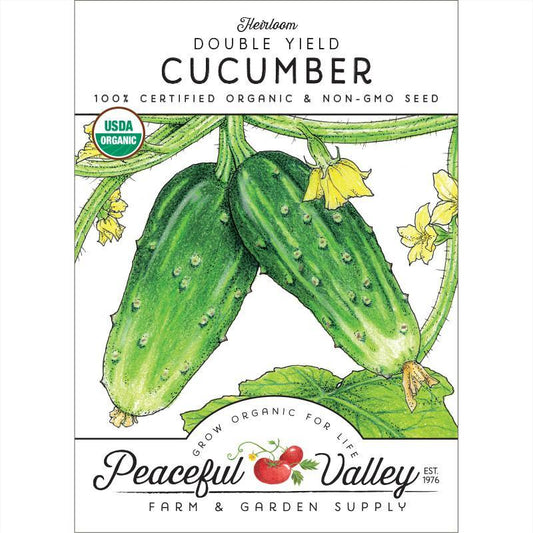
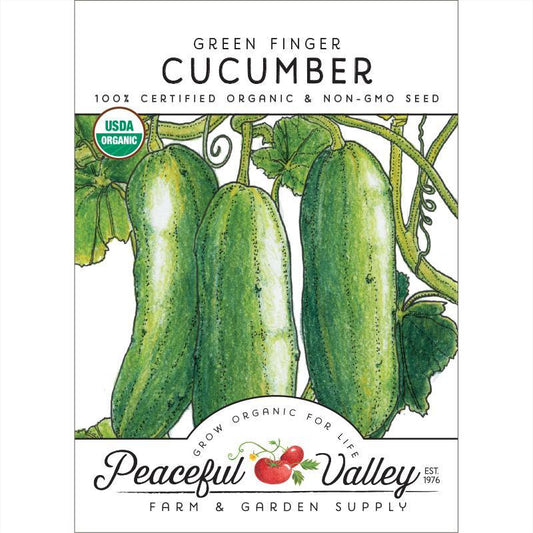
If you are choosing seeds, start with dependable varieties from the full cucumber seed collection, which includes slicing, pickling, and specialty types like Marketmore 76, Lemon Cucumber, National Pickling, and Sweet Green Armenian.

Can You Grow Cucumbers in a Pot?
Yes, “can you grow cucumbers in a pot?” is one of the most common questions gardeners ask, and the answer is yes, if the container is large enough and the plant is supported correctly. Planting cucumbers in pots requires attention to space, soil, and water, but when done right, potted cucumbers can thrive.
A cucumber grown in a pot behaves differently than one in the ground. The root zone is smaller, the soil dries faster, and nutrients wash out more quickly. Knowing how to grow cucumber plants in pots means managing these limits carefully—providing consistent water, proper soil, and support for the vine. When these needs are met, cucumbers in pots can produce just as well as those planted in a traditional garden.
Below is an expanded, beginner-friendly version of this section. It slows things down, explains why each step matters, and defines common gardening terms in plain language, while keeping everything accurate and practical for anyone planting cucumbers in pots.
Choosing the Right Container
Container size is one of the biggest success factors when growing cucumbers in containers. Cucumbers grow quickly and need steady access to water and nutrients. A container that is too small dries out fast and limits root growth.
Container size and depth
For most cucumbers:
- Use a container that is at least 12 inches wide and 12 inches deep
- Larger containers hold moisture longer and support stronger plants
- Plant one cucumber per container for best results
A deep container allows the root system to grow downward instead of circling tightly. Strong roots help the plant stay hydrated, stand upright, and recover from hot weather more easily.
Drainage matters
Every container must have drainage holes at the bottom. These holes allow extra water to drain out after watering.
Without drainage:
- Water pools at the bottom of the pot
- Roots sit in wet soil and cannot breathe
- Plants become weak or rot
Poor drainage is one of the most common reasons gardeners fail when growing cucumber in pots.

Soil: What Works and What Fails
Soil choice matters more in containers than in garden beds.
Why garden soil does not work
Never use straight garden soil in pots. Garden soil is heavy and packs down tightly in containers. This causes:
- Poor drainage
- Limited airflow to roots
- Slow growth and stress
What is potting mix and why it matters
A potting mix is a light soil blend made specifically for containers. It usually includes materials like peat, coconut coir, compost, and perlite.
A good potting mix:
- Drains well so roots do not sit in water
- Holds enough moisture so plants do not dry out too fast
- Allows roots to breathe and spread easily
For cucumbers, mix in compost to add nutrients and help the soil hold moisture evenly. Good draining soil keeps roots healthy and reduces stress that can lead to bitter fruit and poor fruit set.
Planting Seeds or Seedlings in Pots
You can grow cucumbers from seed or from young plants. Both work well in containers.
Planting seeds
When planting seeds directly into pots:
- Wait until the risk of spring frost has passed
- Plant seeds about 1 inch deep
- Keep soil warm and evenly moist until sprouting
Warm soil helps seeds germinate faster and more evenly. Cold soil slows growth and can cause weak seedlings.
Using seedlings
If you start with transplants:
- Handle roots gently
- Keep the root ball intact
- Water well right after planting
Healthy cucumber seedlings or a strong cucumber seedling establishes faster in a pot and handles container conditions better.

Best Cucumber Varieties for Containers
Not all cucumber varieties grow well in pots.
What works best
- Bush varieties bred for compact growth
- Smaller slicing cucumbers
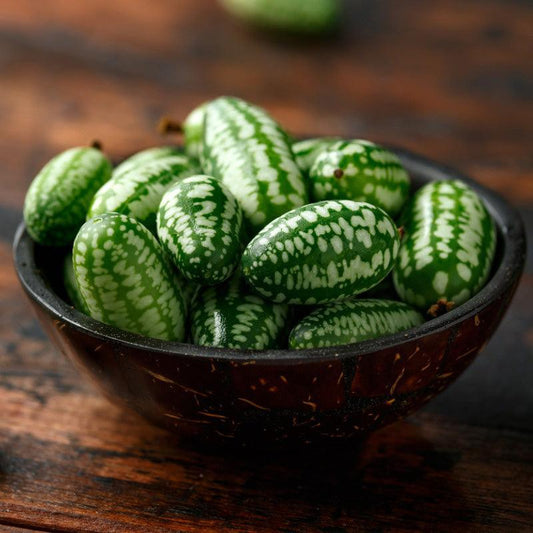
- Specialty types like lemon cucumber
- Compact pickling cucumbers
These types stay manageable and do not overwhelm the container.
What struggles more often
Large vining cucumber varieties can grow in pots, but they need strong support and more frequent watering. Beginners often find them harder to manage without experience.
Choosing the right variety is critical for grow cucumber in pot success.
Supporting Cucumbers in Containers
Most container cucumbers need support, even bush types.
Why support matters
As plants grow and begin to fruit, vines become heavy. Without support:
- Containers tip over
- Stems bend or break
- Fruit grows crooked or rests on the soil
Simple support options
- A tomato cage for compact plants
- A small trellis or netting
- Vertical strings tied to a railing
Support keeps plants upright, improves airflow, and lowers the risk of powdery mildew.
Watering: Where Most Failures Happen
Watering is the most common challenge in container gardening.
What works
- Water deeply until excess drains out of the bottom
- Check soil daily during warm weather
- Keep soil evenly moist, not soggy
What fails
- Letting soil dry out completely
- Light watering that only wets the surface
Inconsistent watering stresses plants. This leads to bitterness, flower drop, and poor fruit development.

Fertilizing Cucumbers in Pots
Containers lose nutrients faster than garden beds.
Best feeding approach
- Start with compost mixed into the potting mix
- Feed every 1 to 2 weeks once plants start growing
- Use a balanced organic fertilizer
Avoid fertilizers high in nitrogen. Too much nitrogen causes leafy growth but fewer cucumbers.
Flowers, Pollination, and Fruit Set
Cucumbers produce separate male and female flowers. Only female flowers grow into cucumbers.
Common problems
- Flowers drop before fruit forms
- Poor pollination
- Heat or water stress
Encourage pollinators and avoid spraying during bloom. When conditions are right, plants begin to set fruit steadily.
Pests and Diseases in Containers
Containers reduce some problems, but not all.
Common issues
- Cucumber beetles
- Aphids and spider mites
- Powdery mildew
Good airflow, clean pots, and regular inspection help prevent serious pests and diseases.
What Actually Fails When Growing Cucumbers in Pots
Most problems come from a few common mistakes:
- Containers that are too small
- No drainage holes
- Poor soil choice
- Inconsistent watering
- Lack of support
- Wrong variety selection
Avoiding these mistakes makes growing cucumbers in a pot far easier and more successful, even for first-time gardeners.
How Long Does It Take to Grow Cucumbers in Pots?
Most cucumbers begin producing 50 to 70 days after planting, depending on variety and conditions. With good care, harvest continues for several weeks.
Conclusion
Growing cucumbers in pots works when you respect the limits of containers and manage them carefully. Choose the right container size, use quality soil, water consistently, and provide support. When these basics are handled well, container cucumbers reward you with steady harvests and healthy plants.
Start with proven varieties from the cucumber seed collection and build your setup around the needs of the plant, not convenience.