Compact, Container, and Patio Friendly Designs. Fruit salad trees offer a creative and productive way to grow several fruit varieties in one compact footprint.
For gardeners working with patios, balconies, small yards, or urban garden beds, dwarf-sized fruit trees make it possible to enjoy diverse harvests in areas with limited space. When designed thoughtfully, a dwarf multi-graft tree can serve as both a centerpiece of edible landscape design and a reliable producer of fresh, homegrown fruit. Many of the compact combinations described here can be found in our multi-graft fruit tree collection.
This guide explores how to choose dwarf rootstock, select container systems, plan patio orchard layouts, pair compact fruit combinations, apply space-saving pruning methods, and incorporate aesthetic design elements.

Dwarf Rootstock Choices
The foundation of any compact backyard orchard is the rootstock. Rootstock determines tree height, vigor, and adaptability, making it essential for creating a fruit salad tree that fits comfortably in small spaces. Dwarf and semi-dwarf rootstocks are ideal choices because they limit tree size, promote earlier fruiting, and make it easier to manage grafting fruit trees in tight quarters.
Why Dwarf Rootstocks Work Best
- Reduced height and spread
- Better compatibility with containers
- Earlier fruit bearing compared to standard trees
- Easier pruning and shaping
- More manageable nutrient and water needs
For apples, dwarfing rootstocks like M27, G65, or similar compact options work well. For peaches, nectarines, plums, and apricots, choosing dwarf-compatible rootstocks helps control growth and maintain balanced grafts. Citrus trees naturally remain smaller, making dwarf citrus rootstocks perfect for patio orchard designs. For additional guidance on matching vigor and choosing compatible rootstocks, you can also consult our rootstock comparison chart.
When purchasing scionwood or starter trees, selecting varieties already matched with dwarfing rootstock ensures long-term success and manageable growth.
For detailed step-by-step instructions, see our guide on how to plant and care for multi-graft fruit trees, which covers proper planting orientation, graft placement, and early maintenance to give your fruit salad tree the best start.

Container Systems
Container fruit trees are one of the most effective ways to grow fruit salad trees in limited spaces. Containers allow gardeners to control soil conditions, relocate trees for sunlight or protection, and contain root systems to maintain compact growth.
Choosing the Right Container
- At least 20 to 25 gallons for most dwarf fruit trees
- Excellent drainage
- Durable enough for year-round outdoor use
- Insulation to protect roots from temperature swings
Ceramic or terracotta planters, along with sturdy plastic containers, all work well. For colder climates, insulated or double-walled containers help moderate soil temperature.

Soil and Drainage Considerations
- Lightweight, well-draining potting mix
- Regular replenishment of organic matter
- Consistent moisture without waterlogging
Adding compost annually supports healthy microbial activity and sustainable growth.
Mobility and Placement
Wheeled platforms or pot dollies help position container fruit trees where sunlight is strongest. Moving the tree during seasonal changes also helps maintain even fruit production.
Patio Orchard Layouts
A patio orchard is a collection of container-grown fruit trees arranged to maximize production while fitting into a confined outdoor area. Even a small balcony or courtyard can support multiple fruit types when designed efficiently.
Layered Vertical Design
- A dwarf multi-graft tree as the centerpiece
- Smaller shrubs, herbs, or berries at the base
- Trellises for supporting vines or espaliered fruit
This layered approach creates a visually appealing garden while maintaining accessibility.
Sunlight Optimization
Most fruit trees require six or more hours of sunlight daily. Placing taller trees on the northern side of the patio and shorter plants on the southern side prevents shading and maximizes production.
Airflow and Spacing
Even in tight spaces, airflow is essential for preventing disease. Position containers a few inches apart and avoid crowding the canopy. A well-planned patio orchard creates a refreshing, productive outdoor living space.
Compact Fruit Combos

Choosing the right variety combinations is essential for keeping a fruit salad tree manageable in small spaces. Compact fruit combos allow gardeners to enjoy diverse flavors without encouraging excessive growth.
For inspiration and guidance on selecting harmonious fruit combinations, see our article on choosing the perfect fruit combinations for multi-graft fruit salad trees, covering stone fruits, pome fruits, and citrus sets.
Ideal Combinations for Small Spaces
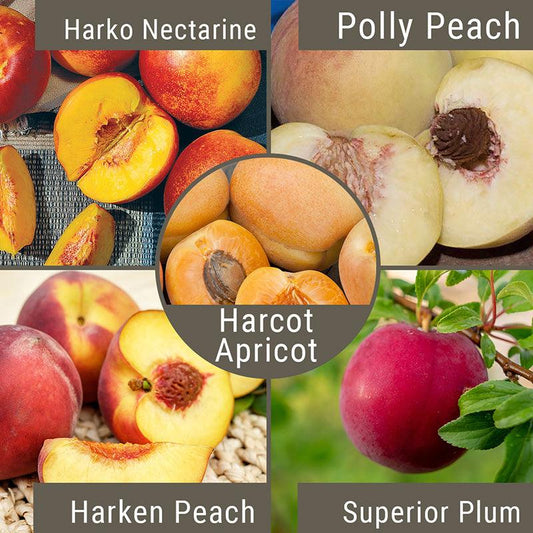
- A peach, nectarine, and apricot trio
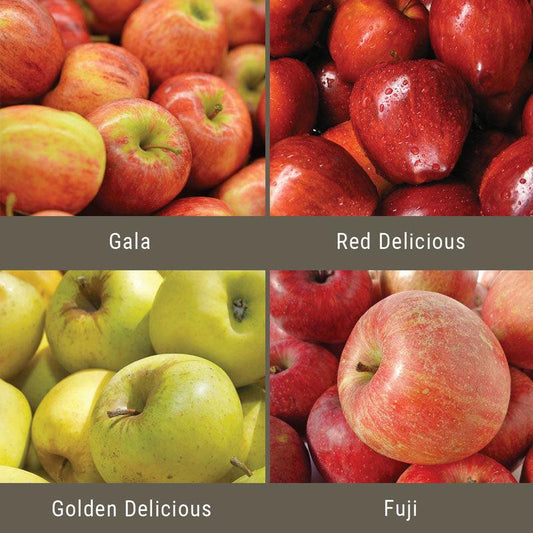
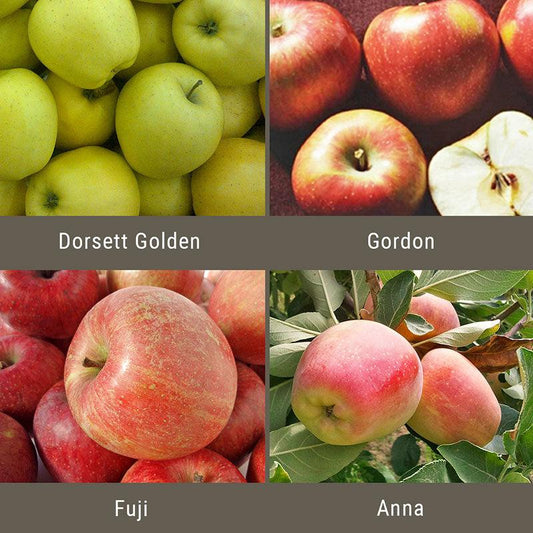
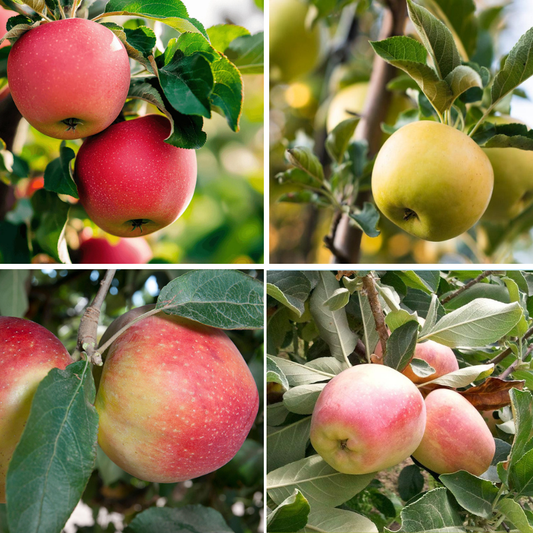
- A three-way apple selection with early, mid, and late varieties
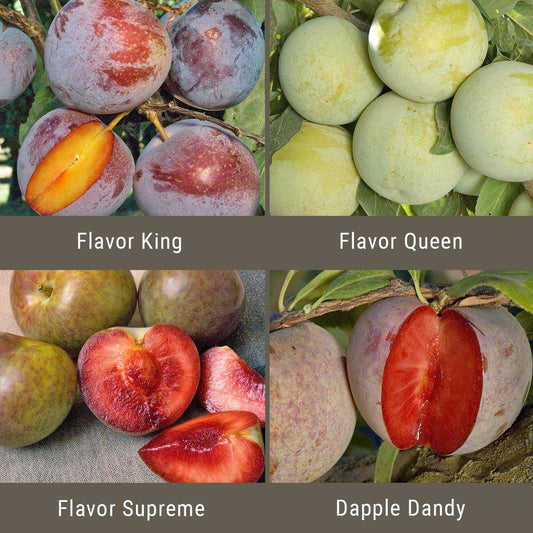
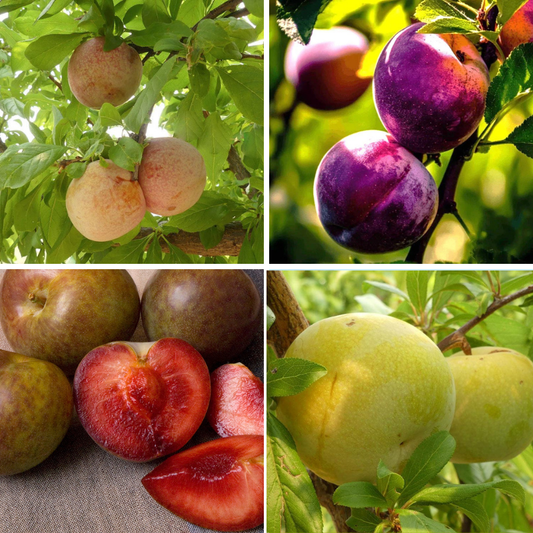
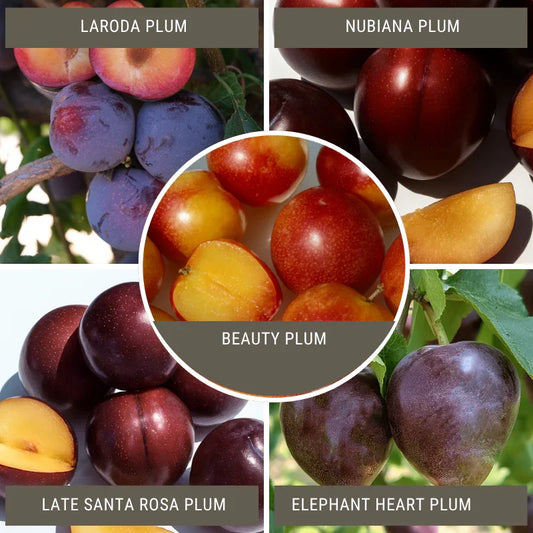
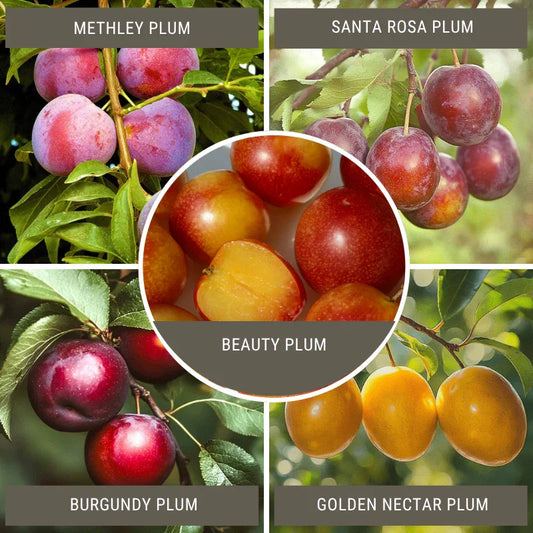
- A plum and pluot combination
- A lemon, lime, and tangerine citrus mix
Compact combinations work best when varieties share similar vigor, bloom periods, and climate needs. Varieties with naturally smaller fruit size or moderate growth habits are especially suited for urban gardening projects.
Climate Considerations
Selecting climate-suited fruit varieties supports consistent fruiting. Low-chill peaches, plums, and citrus varieties thrive in warm regions, while apples, pears, and apricots perform better in cooler climates. Understanding your local chill hours ensures that your fruit salad tree produces reliably.
Space Saving Pruning
Pruning is essential for managing multi-grafted trees, but it becomes even more important when space is limited. Space-saving pruning helps maintain a compact canopy, encourage balanced growth, and keep all grafted branches productive.
If you notice branches failing to set fruit or struggling to thrive, check out our troubleshooting guide for multi-grafted fruit trees, which explains why some branches may fail and how to correct them.
Key Principles
- Prune regularly to prevent overly vigorous growth
- Maintain an open center or modified central leader shape
- Train branches to widen the canopy without crowding
- Remove vertical water sprouts that waste energy
- Prioritize pruning dominant varieties to support weaker grafts
Seasonal Pruning Approach
- Winter pruning sets structure and stimulates growth.
- Summer pruning reduces vigor and keeps the canopy compact.
- Light spring pruning improves airflow and sunlight penetration.
For more advanced strategies on balancing vigor and managing growth across multiple grafts, check out our guide on how to balance vigor in multi-grafted trees, which provides expert tips on pruning, growth management, and maintaining healthy, productive canopies.
Fruit Thinning as a Space Management Tool
Fruit thinning reduces limb stress, improves fruit quality, and helps balance vigor between strong and weak grafts—an essential strategy in small-space fruit tree design.
Aesthetic Edible Design
Fruit salad trees offer unique opportunities for blending beauty and productivity. Their seasonal interest makes them excellent additions to edible landscape design, especially where space is limited.
Seasonal Interest
- Spring blossoms in various colors
- Rich summer foliage
- Fruit in assorted shades and shapes
- A sculptural winter outline
Harmonizing Containers and Surroundings
Selecting containers that complement architectural styles or outdoor décor enhances visual impact. Terracotta, ceramic, or wooden planters create warmth, while modern planters offer clean lines.
Complementary Planting
Herbs like thyme, oregano, chives, or edible flowers planted around the base of container fruit trees add fragrance, texture, and biodiversity.
Using Themes for Aesthetic Appeal
- Color themes such as yellow fruit or red fruit collections
- Culinary themes such as dessert apples or citrus assortments
- Seasonal themes with staggered ripening varieties
In Summary
Creating a fruit salad tree for small spaces blends horticultural knowledge with creative design. By choosing dwarf rootstock, selecting appropriate containers, planning efficient patio orchard layouts, combining compact fruit varieties, applying thoughtful pruning, and incorporating aesthetic elements, gardeners can enjoy abundant homegrown fruit even in limited outdoor areas. These strategies support sustainable, long-term growth and transform patios, balconies, or urban courtyards into thriving edible landscapes.
FAQs About Creating Fruit Salad Trees for Small Spaces
Can fruit salad trees grow well in containers?
What fruit combinations work best for small yards?
How do I design an attractive small-space fruit salad tree?
How often should I prune container-grown trees?
Can small fruit salad trees still produce well?