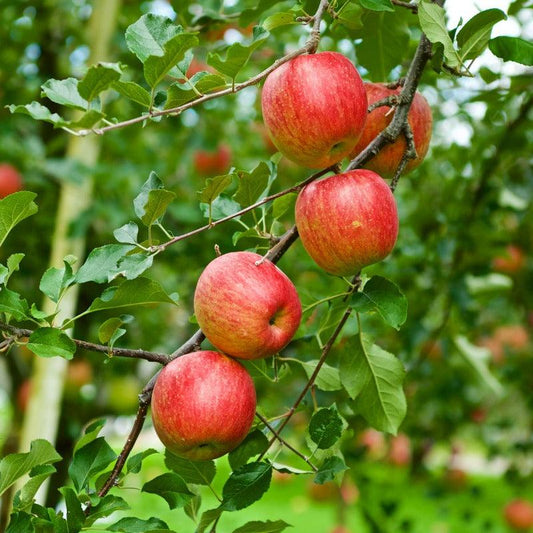
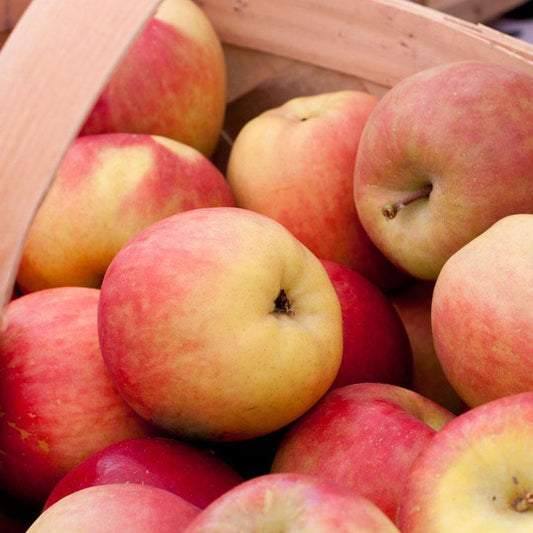
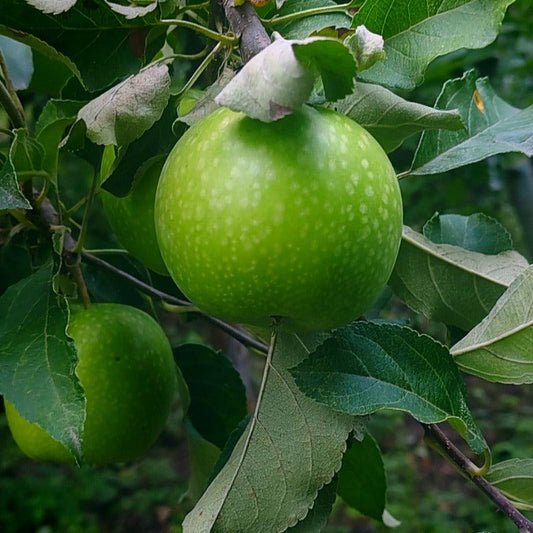
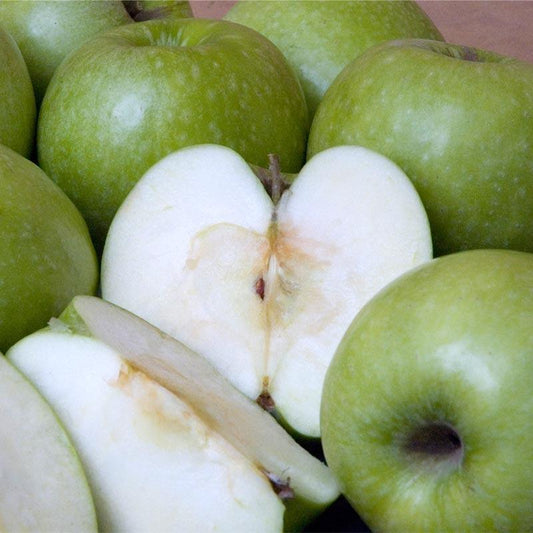
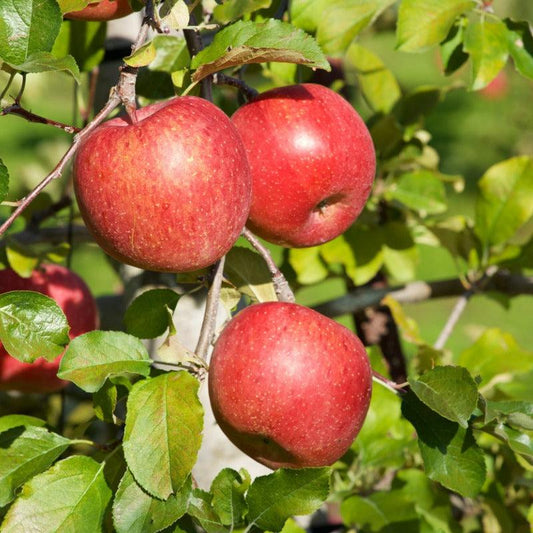
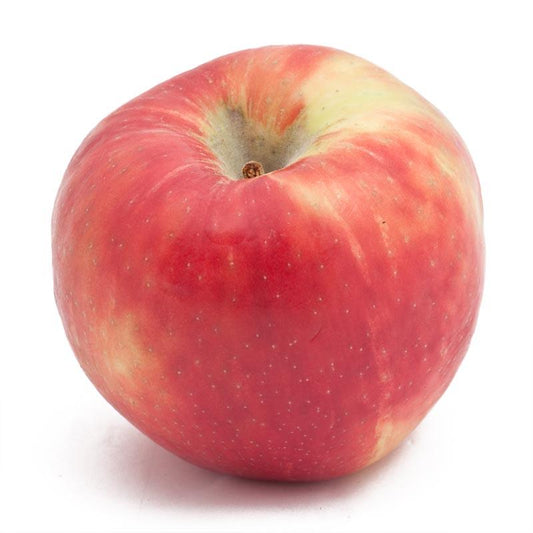
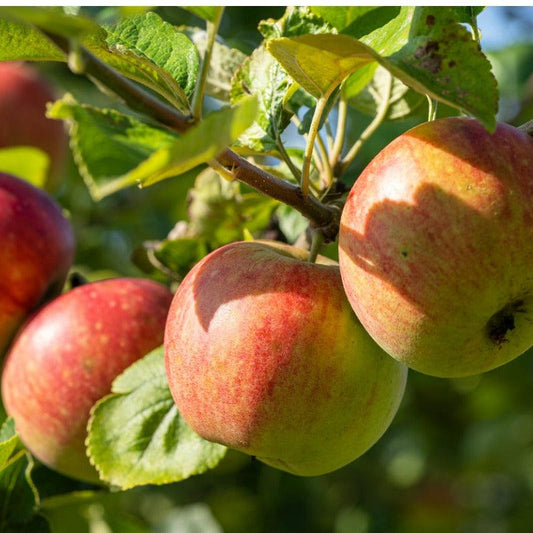
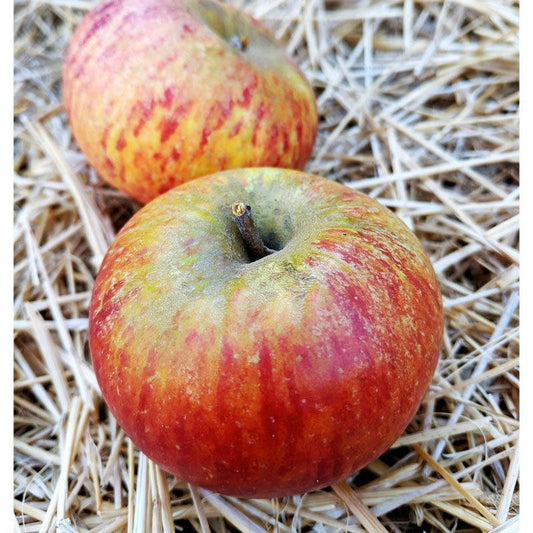
An espalier apple tree can place fruiting branches along a wall, fence, or freestanding support where a conventional canopy would be too wide. Success depends on selecting the right apple and rootstock first, then training young shoots over several seasons.

This page owns apple-specific selection and establishment. Compare pattern options in Espalier Shapes and Designs and watch the espalier training video for a visual demonstration.
Choose an apple for espalier
Rootstock and vigor
Rootstock affects vigor, anchorage, precocity, soil adaptation, and whether permanent support may be needed. “Dwarf” alone is not enough information. Compare the specific rootstock when known and use the apple rootstock guide.
Bearing habit
Spur-bearing cultivars are often convenient for cordons because fruiting sites can remain close to the framework. Tip-bearing and partial tip-bearing apples can still be trained, but repeated shortening may remove fruit buds. Identify the bearing habit before committing to a highly formal design.
Pollination and chill hours
Espalier does not change pollination compatibility or winter chill requirements. Confirm whether a compatible partner is needed and whether the cultivar fits the site using the chill-hours guide, apple pollination guide, and current product details.

Plan the location and support
- Provide the sun exposure appropriate for apples in the local climate.
- Allow airflow and working clearance between the tree and a wall.
- Use posts, anchors, and wire sized for a mature tree carrying fruit.
- Keep the support accessible for tying, pruning, harvest, and repairs.
- Account for wall-reflected heat, roof runoff, and irrigation shadows.
Choose wire and tier spacing to fit the tree’s existing branch positions and final form rather than treating one measurement as universal.
How to establish an espalier apple tree
1. Plant correctly
Keep the graft union above the finished soil level and position the trunk close enough to train without pressing it against the structure. Follow Bare Root Tree Care for planting and establishment.
2. Select the leader and first arms
Retain a central shoot when the chosen form needs one. Select well-positioned flexible laterals for the first tier and attach them with soft, adjustable ties. Do not force a stiff branch into position.
3. Build one stage at a time
Allow the leader to extend toward the next tier while developing the current arms. Formal espalier is a multi-season process; trying to create all tiers immediately can weaken establishment.
4. Tie and inspect regularly
Loosen or replace ties before they girdle expanding branches. Guide shoots while flexible and remove direct competitors selectively.
5. Prune according to bearing habit
Dormant pruning establishes structure; summer training and selective shortening can maintain the plane and encourage suitable fruiting wood. The exact cuts depend on the cultivar and form.

Common espalier apple mistakes
- Selecting by cultivar name without checking rootstock.
- Ignoring tip-bearing or partial tip-bearing growth.
- Building support too weak for a mature fruit load.
- Placing the tree directly against a wall without airflow or access.
- Letting ties cut into branches.
- Removing a pollination partner from the plan.
- Expecting a finished formal pattern in one season.
Shop by current availability
Named varieties and rootstocks change by season. Browse the current apple tree collection and use each product page plus Tree Characteristics as the source of truth instead of relying on a permanent “best varieties” list.