Feather Meal vs Blood Meal: Understanding Fast vs Slow Nitrogen in Organic Fertilizers
Choosing between feather meal vs blood meal comes down to how quickly you want nitrogen available and how you want to build your soil over time. Both are widely used in organic fertilizer programs, but they behave very differently once added to the soil.
For beginner to intermediate gardeners, understanding these differences can help you avoid overfeeding, nutrient imbalances, and wasted inputs. This is especially important when growing leafy greens, which respond quickly to nitrogen levels, or when planning long-term soil strategies that include cover crops.
Factors like high temperatures can also influence how fast these organic inputs break down, affecting nutrient release in the soil. While both options primarily supply nitrogen rather than a full balance of nitrogen phosphorus, knowing how and when to use each can make a noticeable difference in plant health and soil fertility over time.

What Is Feather Meal?
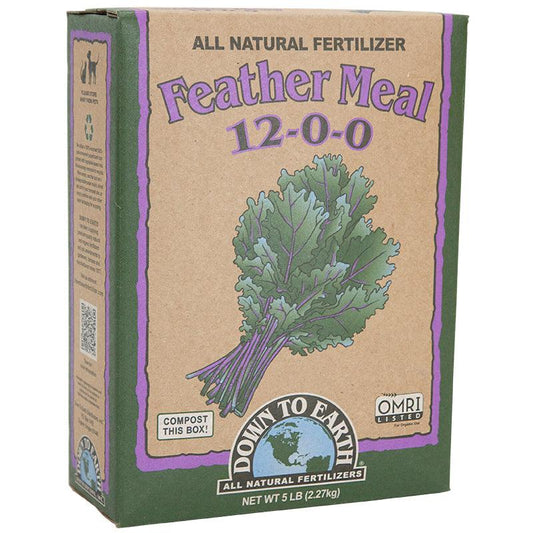
If you have ever asked what is feather meal, it is a fertilizer made from poultry feathers processed under high pressure and heat. This treatment breaks down keratin, making the nutrients available to plants.
A typical feather meal npk is around 12-0-0, meaning it has high nitrogen content but little phosphorus or potassium. It is not very water soluble, so it depends on soil microorganisms to break it down.
Because of this, feather meal is known for providing slow release nitrogen. It works gradually over the growing season, making it a strong long term nitrogen source that also adds organic material and builds organic matter in the soil.
What Is Blood Meal?
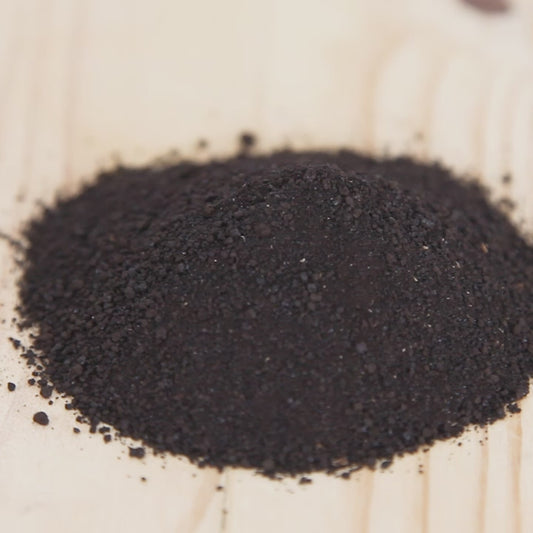
Blood meal is another concentrated source of nitrogen, made from dried animal blood. Unlike feather meal, it is more readily available to plants because it is partially water soluble.
This means nitrogen becomes available quickly, often within days, making blood meal useful when plants need immediate support. It is commonly used as a side dress during active growth or when plants show signs of nutrient stress.

Feather Meal vs Blood Meal: Key Differences
Nitrogen Release Rates
The core difference in blood meal vs feather meal nitrogen is how fast each releases nutrients.
- Blood meal delivers nitrogen quickly
- Feather meal releases nitrogen slowly as microbes break it down
When comparing feather meal vs blood meal release rates, blood meal acts almost immediately, while feather meal feeds plants gradually. This is why the nitrogen release rates in feather meal vs blood meal in soil are so important when planning fertilization.
Soil Health and Structure
Feather meal contributes more to soil health over time. As it breaks down, it feeds microbes and helps improves soil structure, especially when combined with other amendments like alfalfa meal or compost.
Blood meal provides a quick nutrient boost but does less for long-term soil building. It is more about immediate plant response than soil improvement.
Application Timing
Choosing feather meal or blood meal depends on timing:
- Use feather meal before planting or during soil preparation
- Use blood meal during the growing season when plants need a boost
Both can be applied using proper application rates, ideally guided by a soil test to avoid excess nitrogen.

Feather Meal Advantages and Disadvantages
Understanding feather meal advantages and disadvantages helps you use it more effectively.
Advantages Explained
Feather meal provides steady slow release nitrogen, which reduces the risk of overfeeding. Because nutrients are released gradually, plants can take them up more efficiently without sudden spikes.
It also supports soil microorganisms, which play a key role in breaking down organic material into usable nutrients. Over time, this process increases organic matter, which improves soil texture, aeration, and moisture retention.
Another advantage is that it contributes to long-term fertility. Unlike many synthetic fertilizers, feather meal builds soil while feeding plants.
Disadvantages Explained
The main drawback is its slow breakdown. If your soil lacks microbial activity, such as in very cold or dry conditions, nutrient release can be delayed.
It is also not ideal for correcting immediate problems. If plants are already showing yellowing from low nitrogen, feather meal alone may not act fast enough.
Because of this, many gardeners combine it with faster sources when needed.
When to Use Blood Meal Instead
There are situations where blood meal vs feather meal clearly favors blood meal.
Use blood meal when:
- Plants show clear signs of nitrogen deficiency, such as pale or yellow leaves
- You need a quick boost for leafy growth during the growing season
- You are feeding fast-growing crops or heavy feeders
Blood meal works especially well for short-term correction. It can quickly restore nitrogen levels and support strong vegetative growth.

Can You Use Feather Meal and Blood Meal Together?
A common question is can you use feather meal and blood meal together. In many cases, the answer is yes.
Using both creates a balanced approach:
- Blood meal provides immediate nitrogen
- Feather meal supplies steady nutrition over time
This combined strategy supports both short-term growth and long-term soil improvement. It is particularly useful in vegetable gardens, where plants need consistent feeding throughout the season.
To do this effectively, follow recommended application rates and base your plan on a soil test. This prevents over-application, which can lead to excessive nitrogen levels and reduced plant performance.

Choosing the Right Fertilizer for Your Garden
The difference between blood meal and feather meal comes down to your goals and timing.
Choose feather meal if you want:
- Long-term soil improvement
- Consistent nitrogen supply
- Increased organic matter and microbial activity
Choose blood meal if you want:
- Fast results
- Immediate correction of deficiencies
- Rapid early growth
For many gardeners, the best approach is not choosing one over the other, but understanding how to use both effectively.
Recommended Blood Meal Products
If you are looking to add a reliable nitrogen source to your garden, these options work well:
- For large areas, this Organic Blood Meal 13.6-0-0 (50 lb) provides consistent supply
- For mid-sized gardens, this Organic Blood Meal 13.6-0-0 (25 lb) offers flexibility
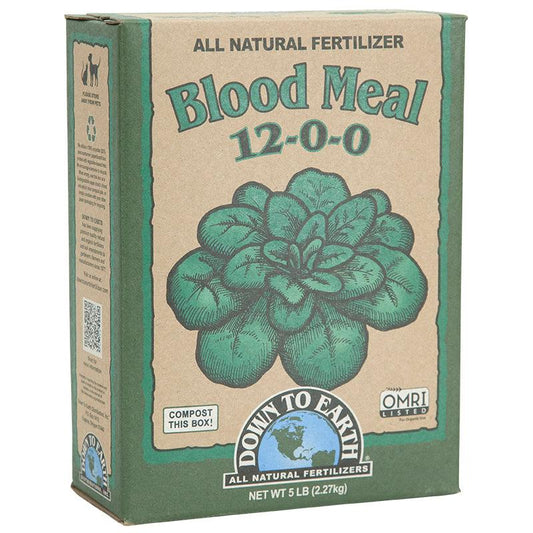
- For smaller spaces, this Blood Meal 12-0-0 (4 lb Box) is easy to handle
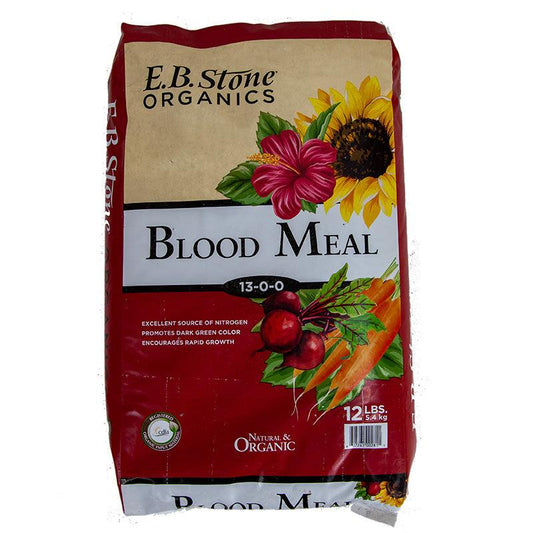
- For general use, this Blood Meal 13-0-0 (12 lb bag) fits a wide range of needs
You can explore more nitrogen options in this collection of organic nitrogen fertilizers to build a complete feeding plan.
Conclusion
When comparing feather meal vs blood meal, it is not about which is better overall. It is about matching the fertilizer to your timing, soil, and plant needs.
Feather meal supports long-term fertility and soil building. Blood meal provides quick nitrogen for immediate growth. Used together, they can create a balanced system that supports both plant performance and soil health.
FAQs About Feather Meal Vs Blood Meal Fertilizer
Is feather meal better than blood meal?
How long does feather meal last in the soil?
What are the nitrogen release rates in soil feather meal vs blood meal?
What is the difference between blood meal and feather meal?
What are feather meal advantages and disadvantages?
Can you use feather meal and blood meal together?
Which plants don't like feather meal fertilizer?
Does feather meal repel deer?
How often should these fertilizers be applied?
Related Fertilizer Guidance
This page supports What Is Blood Meal? Benefits and Proper Usage Guide. Use that pillar for the complete decision process, then confirm the application with the current product label.