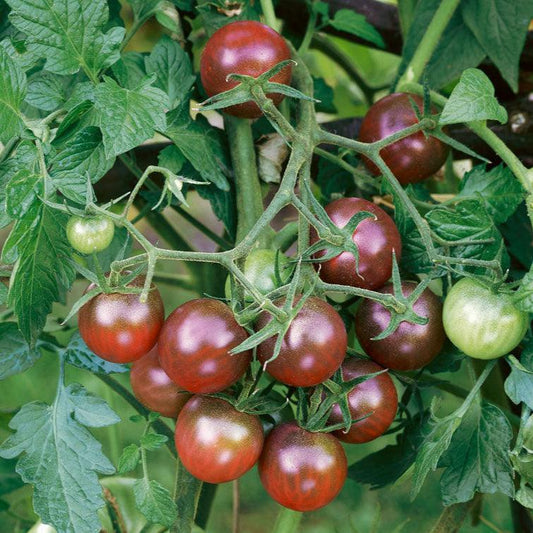
Growing Cherry Tomatoes for Beginners: Why They’re the Perfect First Tomato
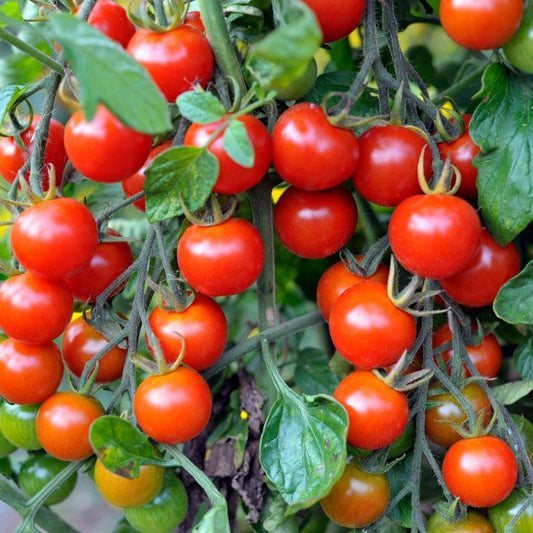
Cherry tomatoes are often the first success story for new gardeners. They grow fast, tolerate small mistakes, and reward you with dozens of sweet, bite sized fruits. If you have ever wondered why experienced gardeners recommend cherry tomatoes first, the answer is simple: they are forgiving, productive, and fun to grow.
This guide walks you through growing cherry tomatoes step by step, from seed to harvest. It focuses on clear basics, so beginner and intermediate gardeners can feel confident at every stage.
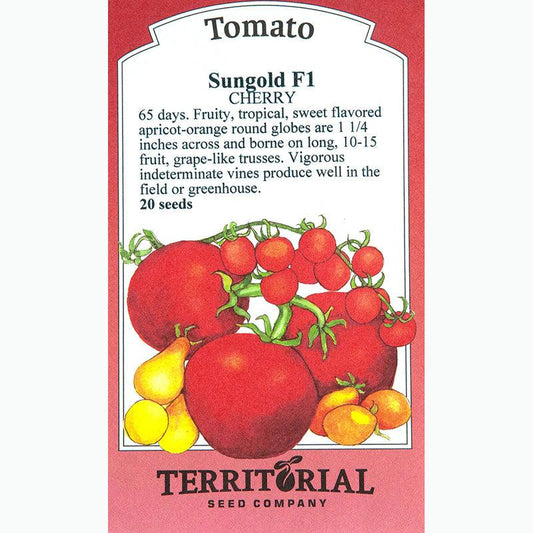
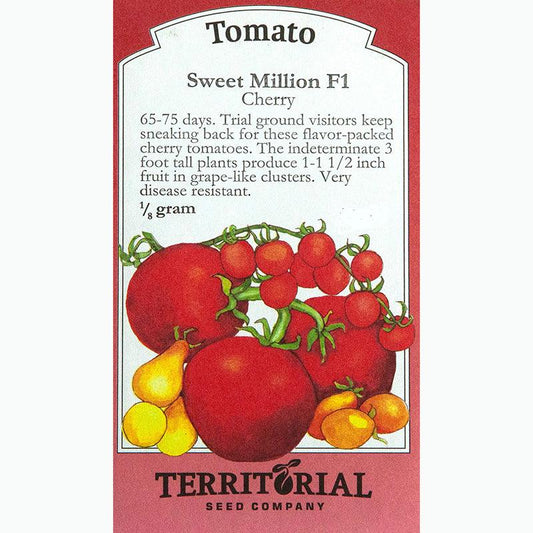
If you are starting from scratch, explore our full cherry tomato seed collection, which includes favorites like Sungold Cherry Tomato Seeds, Sweet Million Cherry Tomato Seeds, Black Cherry Tomato Seeds (Organic), and Red Grape Riesenstraube Cherry Tomato Seeds (Organic).

Why Cherry Tomatoes Are So Easy to Grow
Cherry tomatoes are smaller than slicing tomatoes, which makes a big difference. Smaller fruit puts less stress on the plant, so it can recover faster from heat, uneven watering, or beginner mistakes. Many varieties are also naturally disease resistant, which helps plants stay healthy longer.
Most cherry tomatoes are indeterminate tomatoes, meaning they keep growing and producing fruit through the entire growing season. This steady production makes them ideal for learning how tomato growing works.
Cherry tomatoes also share traits with grape tomatoes, but they are often juicier and sweeter.
Growing Cherry Tomatoes From Seed
Starting from seed gives you more choice and stronger plants than buying starts. If you are asking how do I grow cherry tomatoes, this is the best place to begin because the early steps set the tone for the whole season.
How to grow cherry tomatoes from seeds
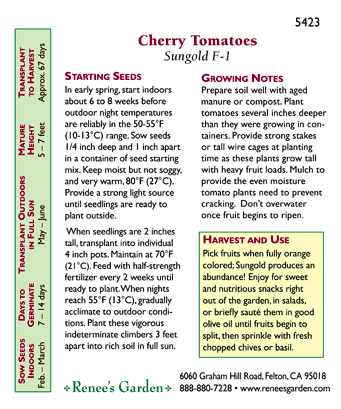
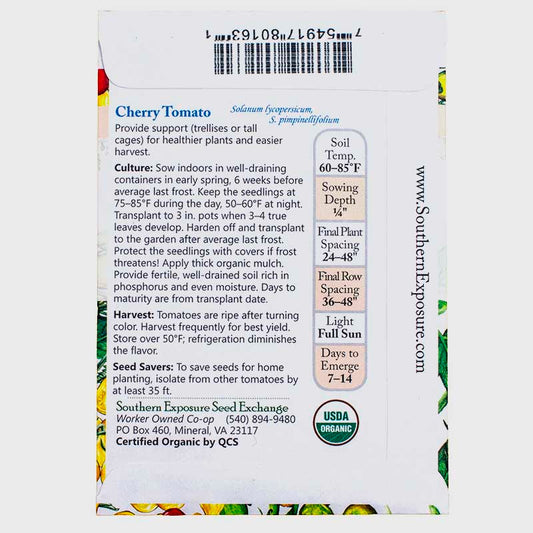
To grow tomatoes from seeds, start indoors about 6 to 8 weeks before your last frost date. This gives plants enough time to grow strong before moving outside.
Step-by-step basics:
- Fill seed trays or small pots with a light potting mix made for seedlings. This type of soil drains well and does not pack down.
- Plant tomato seeds about 1/4 inch deep. Gently cover them with soil.
- Water lightly so the soil stays moist, not soggy.
- Keep seeds warm and place them under bright light as soon as they sprout.
Within 7 to 14 days, you should see a tomato seedling push through the soil. At this stage, strong light is more important than fertilizer. Weak light causes tall, thin seedlings that fall over easily.
This process is often called cherry tomatoes growing from seed, and it is one of the most reliable ways to grow healthy plants.

Transplanting and Planting Outdoors
Once seedlings have several true leaves and outdoor temperatures stay warm at night, it is time to move plants outside.
How to grow a cherry tomato plant outdoors
Whether you are planting in the ground or in a container, the steps are similar:
- Choose a spot with full sun.
- Wait until the danger of frost has passed.
- Plant seedlings deeper than they were in their starter pots.
Tomatoes can grow roots along their buried stems. When you bury part of the stem, the plant grow stronger and more stable, which helps it handle wind and heavy fruit.
For containers, always choose pots with drainage holes. Without drainage, water collects at the bottom, roots sit in wet soil, and plants struggle or rot.
Soil, Containers, and Support
Cherry tomatoes grow best in loose, rich soil. Heavy garden soil is fine in garden beds, but it does not work well in pots.
For containers:
- Use a quality potting mix that drains well.
- Mix in compost to add nutrients and improve moisture balance.
- Plan to add a balanced fertilizer later in the season.
Most cherry tomato plant types grow taller than many beginners expect. As plants grow, they need support to stay upright. Install tomato cages or stakes early so you do not damage roots later.
Good support keeps fruit off the ground, improves airflow, and makes plants easier to care for.

Sunlight and Watering Basics
Light requirements
Cherry tomatoes need full sun to grow well. Aim for at least 6 to 8 hours of direct sunlight each day. Plants grown in shade produce fewer flowers and less fruit.
If plants look healthy but are not setting tomatoes, lack of sunlight is often the reason.
Watering tips
Watering mistakes are common for beginners. What matters most is consistency.
- Water deeply so moisture reaches the roots.
- Let the top inch of soil dry slightly before watering again.
- Avoid watering lightly every day, which keeps roots shallow.
Uneven watering can cause cracked fruit and blossom problems. This guide on preventing blossom end rot explains why steady moisture is important.
Feeding Cherry Tomato Plants
Once plants begin to flower, they need nutrients to support fruit production.
Simple feeding tips:
- Start with compost-rich soil.
- Feed every 1 to 2 weeks once flowering begins.
- Use a balanced fertilizer, not one high in nitrogen.
Too much nitrogen causes leafy plants with few tomatoes. Balanced feeding supports steady growth and keeps cherry tomatoes growing strong through the season.

Common Cherry Tomato Problems (And Easy Fixes)
Even easy plants run into trouble sometimes. Knowing what to watch for helps you fix problems early.
Common issues and causes:
- Flowers dropping: Often caused by heat stress, cold nights, or inconsistent watering.
- Yellow leaves: Usually from overwatering or poor drainage.
- Cracked fruit: Caused by dry soil followed by heavy watering.
- Pests: Aphids and hornworms are common but easy to spot if you check plants often.
Most problems improve with better watering habits, good airflow, and regular checks. This guide on solving common tomato growing issues covers fixes in more detail.
Best Cherry Tomatoes to Grow for Beginners
Some varieties of cherry tomato are especially beginner-friendly.
Popular choices include:
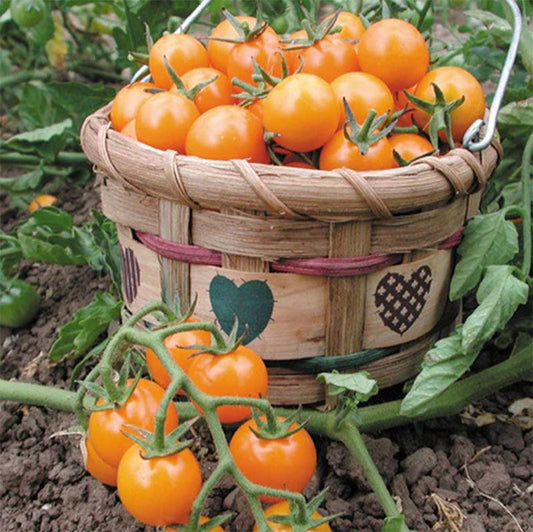
- Sungold Cherry Tomato and sun gold types for sweetness
- Sweet Million Cherry Tomato Seeds for heavy yields
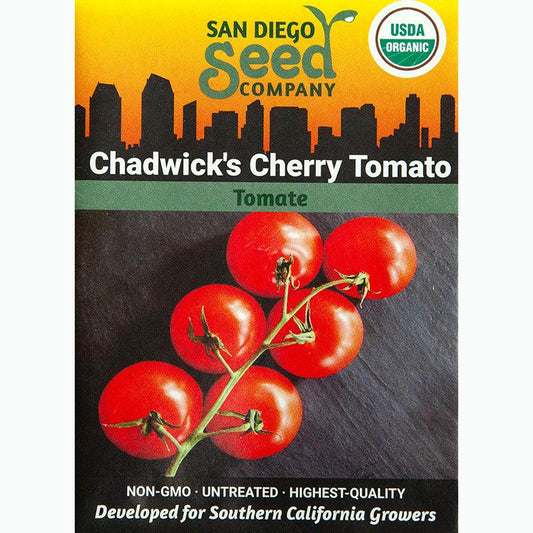
- Chadwick’s Cherry Tomato Seeds (Organic) for strong growth
- Organic Everglades Cherry Tomato for heat tolerance
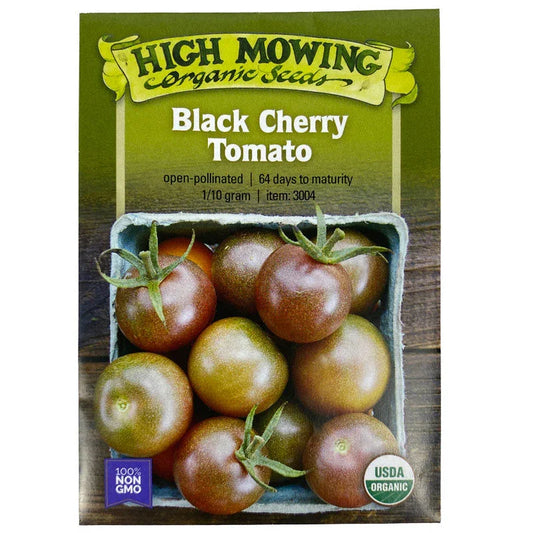
- Black Cherry Tomato Seeds (Organic) for rich flavor
These are often listed among the best cherry tomatoes to grow because they perform well in many climates.
If you want help choosing, this article on how to choose the best tomato is a helpful read.
Harvesting and Enjoying Your Tomatoes
Cherry tomatoes are ready when they are fully colored and slightly soft. Pick often to encourage more fruit.
If you are wondering how long does it take for cherry tomatoes to grow, most varieties produce fruit about 60 to 75 days after transplanting.
Fresh tomatoes are perfect for salads and snacking. Extra harvests can be saved for later using methods explained in preserving your tomatoes by canning.
Conclusion
From seed to harvest, cherry tomato growing is one of the most rewarding ways to learn gardening. They grow quickly, recover from mistakes, and give steady harvests. If you want an easy win, cherry tomatoes are the right choice.
Start with quality seeds from our cherry tomato seed collection, give them sun, water, and support, and you will be picking tomatoes all season long.