

Introduction
Growing jujube offers gardeners an unusual crop with two distinct textures: crisp when fresh and chewy when dried. This deciduous species, native to China, tolerates heat and established trees withstand drought. However, dependable harvests require suitable varieties, adequate moisture, and enough summer warmth.
Learning how to grow jujube begins with matching the tree to your site. This guide covers planting, seasonal care, propagation, and harvesting without assuming every garden has the same conditions.

What Is a Jujube Tree?
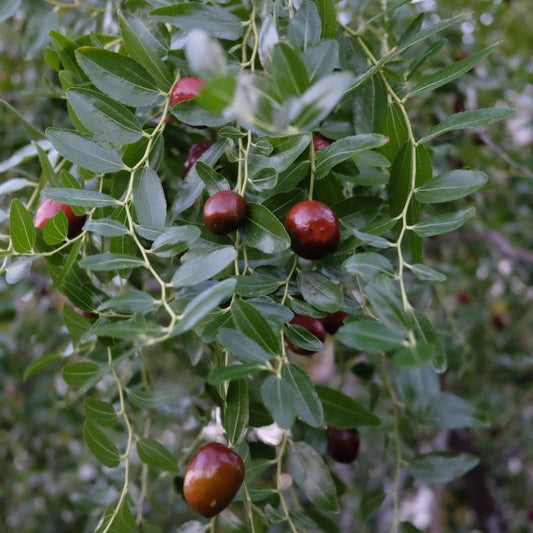
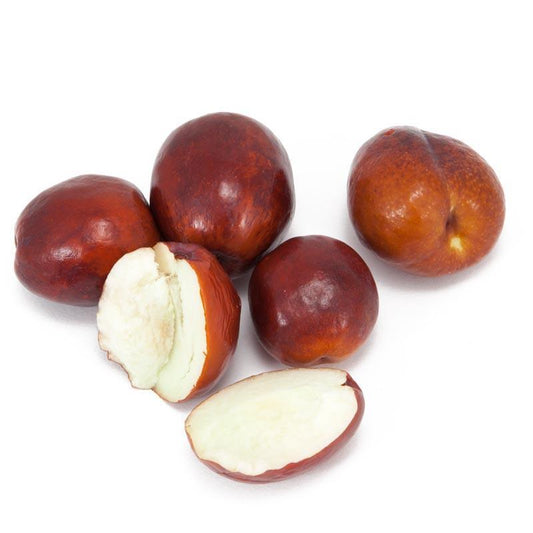
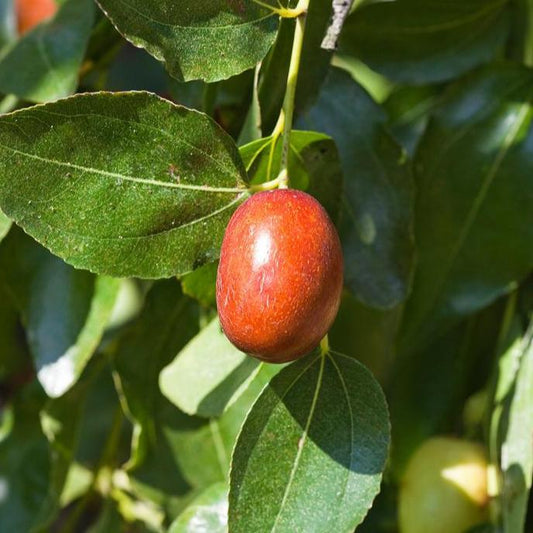
The common jujube, botanically Ziziphus jujuba, produces edible fruit surrounding a hard stone. Often called a Chinese date tree, it is unrelated to date palms. Names such as Chinese apple tree describe its crisp texture, while red dates tree refers to its mature fruit.
Although often described as small trees, a full grown jujube tree commonly reaches 15–30 feet. Allow space for its canopy, thorny branches, and spreading root suckers.
Choose Your Variety and Location
A Chinese jujube tree needs full sun and well draining soil. Avoid low spots where water collects, since saturated roots can decline and develop root rot.
Check your jujube tree growing zone using the growing zone finder, then confirm cultivar hardiness locally. Winter survival alone does not guarantee ripe fruit: short growing seasons can limit late varieties. The jujube climate guide explains these distinctions.
Compare jujube cultivars by use. ‘Li’ has large fruit for fresh eating, ‘Honey Jar’ offers smaller, crisp fruit, and ‘Lang’ suits drying. Choose named, grafted jujube trees for predictable characteristics.
Planting and Establishment
Understanding how to grow jujube fruit tree roots successfully starts with planting depth. Dig a broad hole no deeper than the root system. Position the uppermost main roots near soil level, keeping the graft union above ground.
Backfill with native soil, water thoroughly, and spread mulch without touching the trunk. Check moisture beneath the surface throughout establishment. Newly planted trees need closer attention than mature specimens.
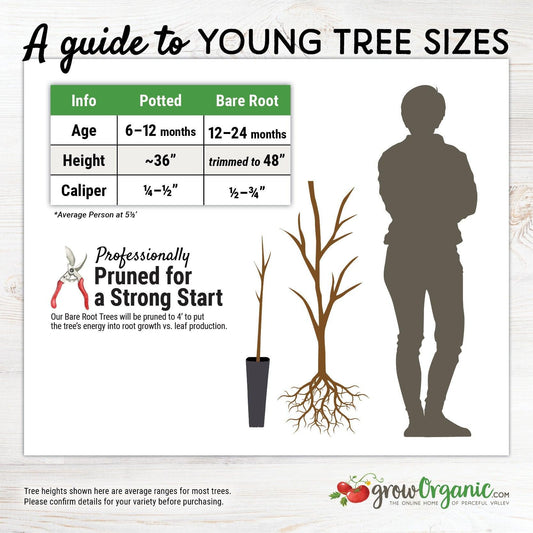
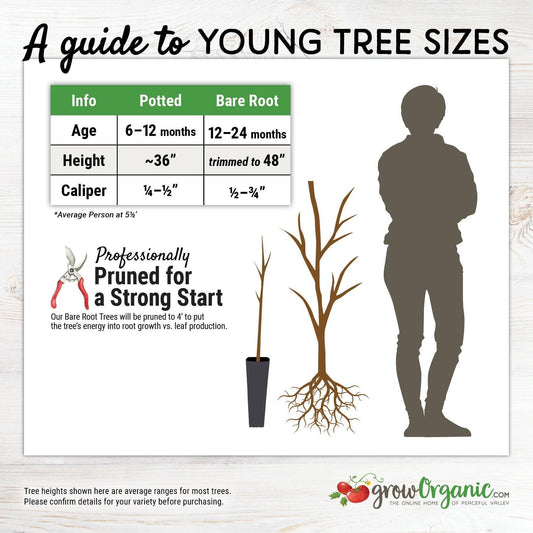
Plant bare-root stock during dormancy when soil is workable. In cold regions, spring planting gives roots time to establish before winter; avoid working frozen ground or soil that remains waterlogged.
For broader orchard planning, explore the fruit trees guide.

Jujube Tree Care Through the Seasons
Effective jujube fruit tree care balances drought tolerance with crop needs. Irrigate deeply during dry periods, adjusting frequency to soil texture and weather. Do not keep the ground constantly wet.
Fertilize according to soil testing and growth rather than a fixed feeding schedule. Heavy feeding is unnecessary for many home plantings.
Prune damaged or crowded branches while retaining productive wood. Remove rootstock suckers promptly because they will not produce the grafted variety. Inspect for pest and disease problems, and seek a local diagnosis before treatment.
Small yellow green flowers attract insects. Limited compatible pollen, immature trees, or water stress can reduce fruit production even when blooms appear abundant.
How to Grow Jujube From Seed
Growing jujube from seed is an experiment, not a reliable way to copy a favorite variety. A Ziziphus jujuba seed may produce different fruit, and some stones contain no viable seed.
When researching how to grow jujube from seeds, distinguish cultivated fruit seeds from sour jujube rootstock. New Mexico State University recommends soaking sour jujube stones for three days, changing water daily, then keeping them in moist sand at 40–50°F for three months. Sow about one inch deep once soil exceeds 50°F.
Follow supplier instructions for your particular seed source; this rootstock method is not a universal requirement.

Harvesting and Using the Fruit
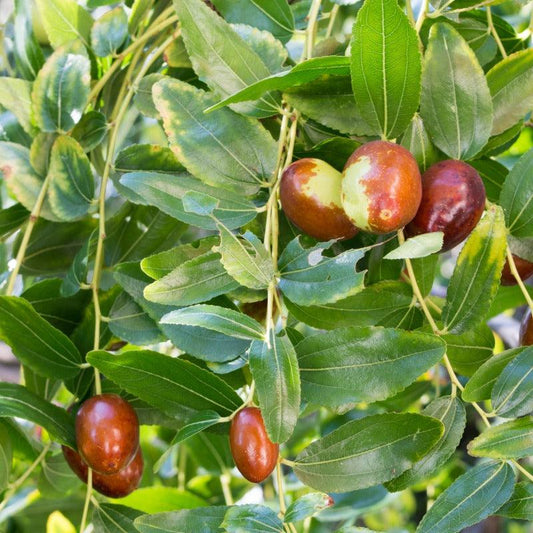
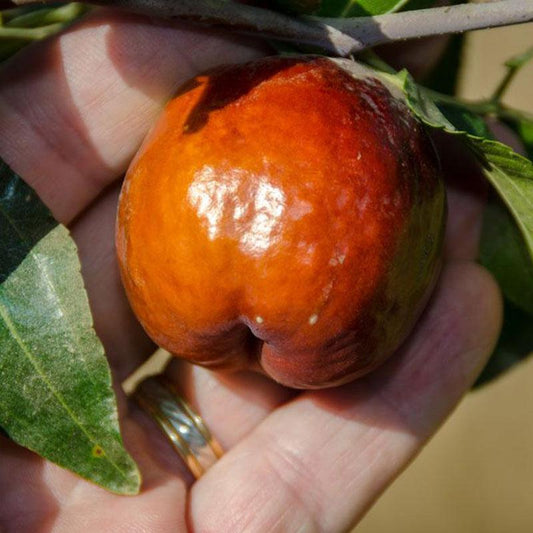
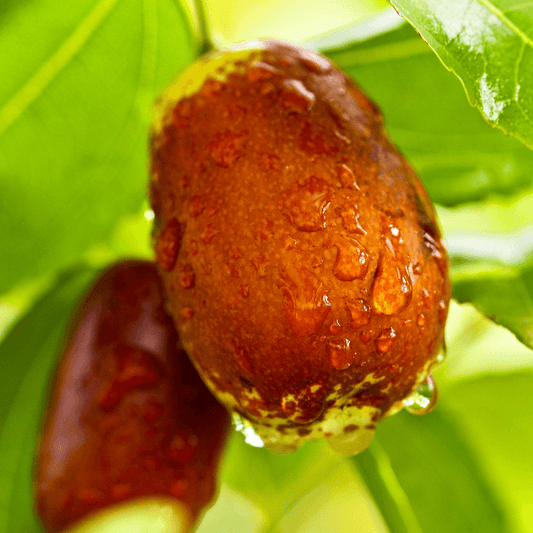
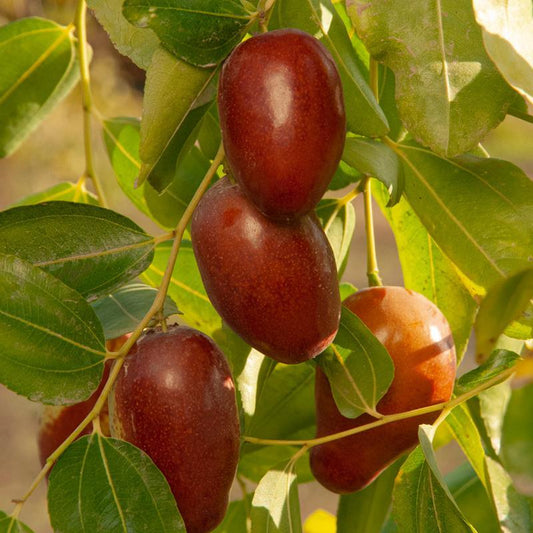
Pick jujube fruits in several passes as they develop reddish brown patches while remaining firm. For drying varieties, wait until fully colored. In humid conditions, harvest promptly rather than leaving fruit outdoors to wrinkle.
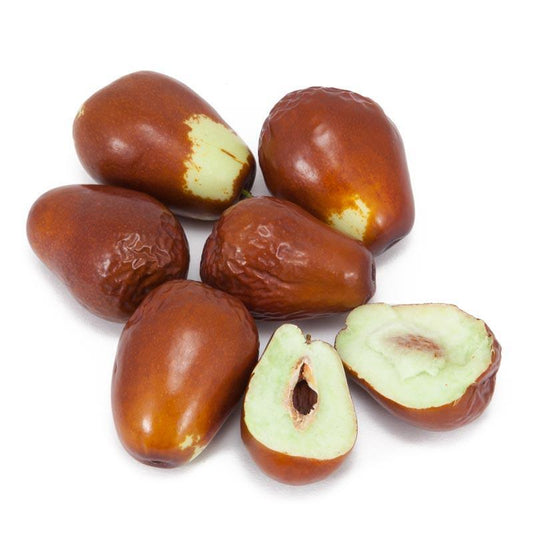
The fruit can be eaten fresh, sliced into salads, or cooked. Remove the stones before serving. Dried jujubes add sweetness to baking; a red date offers a chewy texture rather than a fresh apple crunch. Fruit enjoyed fresh dries differently depending on cultivar.
Fresh jujubes are rich in vitamin C, although content varies with variety and maturity. Refrigerate fresh harvests promptly.
Conclusion
Successful growing depends on matching climate, variety, and harvest goals. Start with healthy stock, protect establishing roots from drought, and monitor moisture throughout fruit development. Record flowering and harvest dates to improve decisions each season. A well-positioned Chinese date fruit tree can become a lasting part of a productive garden.


32 comments
Bob, you can try and plant the seeds, but it will most likely take years for the tree to develop fruit.
I have been getting Seedless Jujube Dates for years and on my last order they all had full seeds. Can these seeds be grown and If so, how?
It seems jujube trees grow up to 20+ feet, is it easy to control the height by pruning?
Does it need two Jujube trees to cross pollinate? Thanks for your help.
Evita, no multi-grafted jujube trees are available from our grower.
Will you be offering multiple grafted jujube trees in the near future?