Advanced Pruning and Growth Management.
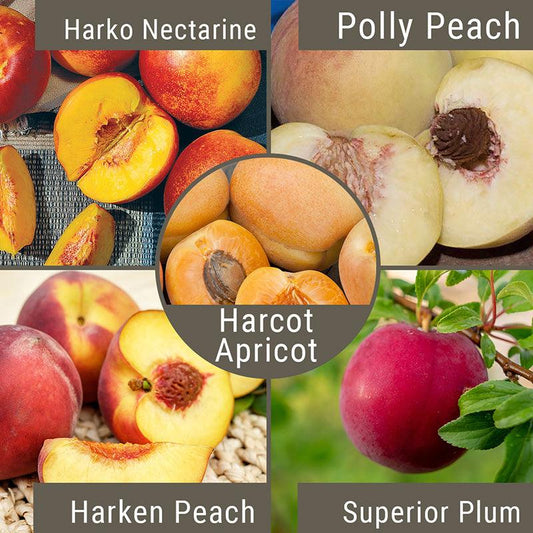
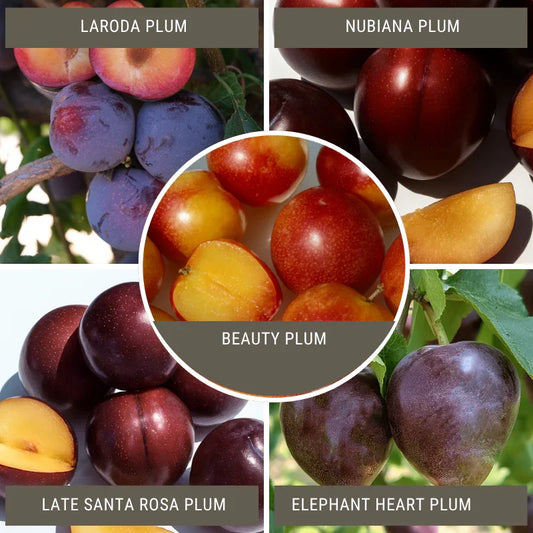
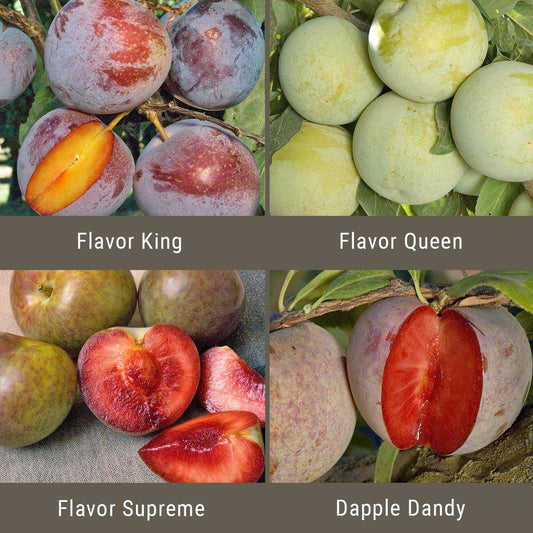
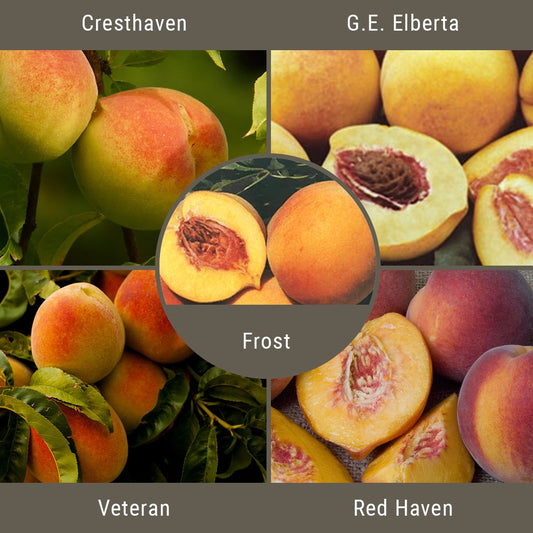
Balancing vigor in a multi-grafted fruit tree is one of the most important skills for backyard orchard management. While multi-grafted trees offer remarkable advantages by combining several varieties on a single root system, they also require a more advanced approach to fruit tree growth control. Each grafted branch has its own natural growth rate, resistance level, bloom timing, and nutrient demand. Without consistent multi-graft care, certain varieties may become dominant while others remain weak or unproductive.This guide explains how to manage graft dominance, maintain structural strength, and support long-term productivity. Many examples here relate to varieties included in our multi-graft fruit tree collection. For additional guidance in matching vigor and selecting rootstocks, you can also refer to our rootstock comparison chart.
Dominant vs Weak Grafts
Understanding the difference between dominant and weak grafts is the foundation of managing fruit tree vigor. In most multi-grafted trees, one or two varieties naturally grow more vigorously than the others. These dominant grafts will put on longer shoots, larger leaves, and deeper branching faster than the rest. Left unchecked, they can overtake the canopy, shading weaker branches and absorbing a disproportionate amount of the tree’s resources.
Weak grafts grow slowly, sometimes producing short spur shoots or sparse foliage. These grafts often represent varieties with slower growth habits, lower vigor, or reduced adaptation to the local climate.
Why Dominance Happens
- Natural vigor differences between varieties
- Uneven sunlight exposure
- Imbalances in rootstock vigor
- Heavy pruning to one branch encouraging stronger regrowth
- Competition for water and nutrients
Once a dominant graft takes control, weaker grafts can decline rapidly. The solution lies in purposeful multi-graft pruning and consistent observation.
How to Manage It
- Reduce the length of dominant branches during winter pruning.
- Thin vigorous branches heavily to redirect energy to weaker grafts.
- Increase sunlight to slow grafts by opening the canopy above them.
- Encourage weak grafts with lighter pruning and upright training.
Balanced grafts create a healthier, more stable tree that supports consistent fruiting.
Training Branch Angles
Branch angle training is a powerful tool for balancing grafts because growth direction influences vigor. Upright branches grow more aggressively, while horizontal branches grow more slowly. Adjusting branch orientation gives gardeners effective control over graft dominance without excessive pruning.
Encouraging Weak Grafts
- Train branches to a more upright angle.
- Use stakes or soft ties to lift the branch gradually.
- Maintain strong scaffold angles that support future fruit loads.
Even a small upward adjustment can stimulate additional growth and help the branch compete with stronger grafts.
Controlling Dominant Grafts
- Spread branches outward to a horizontal or slightly downward angle.
- Use spreaders or soft ties to hold the position.
- Avoid angles sharper than 60 degrees downward to prevent breakage.
Training improves fruit tree vigor balance naturally and reduces the need for heavy pruning.
Seasonal Vigor Control
Each season influences fruit tree growth in different ways, which provides opportunities for managing graft vigor throughout the year. Understanding seasonal rhythms helps gardeners apply pruning techniques at the appropriate time.
Winter Pruning
Winter pruning invigorates the tree. When dominant grafts are cut during dormancy, they respond with strong regrowth in spring. Use winter pruning to:
- Reduce dominant branch length
- Encourage weaker grafts by keeping cuts minimal
- Reinforce scaffold structure
Heavy winter pruning on strong grafts is effective for long-term vigor reduction.
Spring Adjustments
- Remove water sprouts from dominant grafts
- Thin new shoots lightly on weaker grafts
- Adjust branch angles for the coming season
This is a critical time to shape the tree before energy is fully allocated.
Summer Pruning
Summer pruning reduces vigor. It is the best tool for controlling dominant grafts because removing leaves reduces photosynthetic energy production. Use summer pruning to:
- Slow fast-growing varieties
- Improve sunlight penetration
- Encourage fruit development
Weaker grafts should receive minimal summer pruning to help them gain strength.
Fall Review
Late fall is ideal for evaluating annual growth patterns and making notes on which grafts require corrective measures during winter.
Seasonal management ensures consistent balance and long-term multi-graft care.
Fruit Load Balancing
Fruit load directly affects vigor. A heavily loaded branch grows more slowly because energy is directed toward fruit development. Lightly loaded branches grow faster and more aggressively.
How to Slow Dominant Grafts With Fruit Load
- Allow more fruit to remain on dominant branches.
- Thin fruit lightly to maintain quality without reducing vigor too much.
- Support branches with props if fruit load becomes heavy.
How to Support Weaker Grafts With Fruit Load
- Thin fruit more aggressively to encourage vegetative growth.
- Remove poorly spaced fruit clusters early.
- Allow the branch to focus on canopy development rather than fruit production.
Fruit thinning is an essential tool for maintaining balanced grafts and creating predictable fruit set across the tree.
Rootstock Influence
Rootstock vigor influences the entire tree, including how strongly each graft grows. Different rootstocks offer different growth patterns, disease resistance, and nutrient uptake efficiency.
How Rootstock Impacts Vigor
- Dwarf rootstocks often limit overall growth, making balance easier.
- Semi-dwarf rootstocks promote moderate vigor and long-term stability.
- Standard rootstocks encourage high growth and can make balancing grafts more challenging.
Choosing the Right Rootstock
When planning a multi-grafted tree, choosing a rootstock compatible with your climate, soil structure, and variety set helps stabilize long-term growth. Many of our fruit tree listings include detailed information about rootstock vigor, growth habit, and adaptability, which helps gardeners choose combinations that match their climate and growing conditions. Matching these traits to your environment supports predictable graft behavior. For guidance on proper planting direction and graft placement, see our multi-graft planting and care guide.
Adapting to Rootstock Behavior
Regardless of rootstock, consistent pruning, training, and fruit thinning help compensate for differences in vigor.
Long-Term Structural Health
Long-term structural health ensures that a multi-grafted tree remains productive, balanced, and safe as it matures. A balanced structure distributes weight evenly, prevents branch splitting, and supports heavy fruit loads.
Key Principles for Structural Stability
- Maintain well-spaced scaffold branches.
- Avoid crossing limbs that restrict airflow.
- Keep graft unions reinforced and properly healed.
- Train the canopy to allow even sunlight penetration.
Monitoring Graft Unions
Graft unions must be inspected regularly for:
- Cracks
- Swelling
- Restricted sap flow
- Weak attachments
Addressing graft union problems early helps prevent major failures.
Supporting Fruit Weight
As the tree matures, heavy fruit loads can stress branches. Use props, braces, or gentle thinning to prevent breakage. A strong tree structure enhances overall fruit tree vigor and keeps grafts healthy.
In Summary
Balancing vigor in a multi-grafted fruit tree requires careful observation, thoughtful pruning, and an understanding of how each variety behaves throughout the growing season. By managing dominant and weak grafts, adjusting branch angles, applying seasonal pruning techniques, balancing fruit loads, considering rootstock influence, and maintaining structural strength, gardeners can keep their trees healthy and balanced. With sustainable practices and long-term maintenance, multi-grafted trees will remain productive, visually appealing, and resilient additions to backyard orchards.