Choosing the Right Seed Potato Variety
The best seed potato is not simply the variety with the highest advertised yield. It is the one that fits your growing season, available space, preferred cooking methods, harvest schedule, and storage plans. Start with the current seed potato collection, then use the factors below to narrow your choices.
Start With Maturity Class
| Maturity class | Best fit | Planning considerations |
|---|---|---|
| Early season | Short seasons, earlier new potatoes, staggered harvests | Usually harvested sooner; individual product estimates remain the source of truth |
| Mid-season | Balanced harvest timing and broad garden use | Useful for extending harvest after an early variety |
| Late season | Longer growing seasons and many storage-focused crops | Needs enough frost-free time to mature and set firm skins |
Days-to-maturity figures are planning estimates, not guarantees. Temperature, planting date, water, soil, seed condition, and plant health can move the actual harvest date. Always confirm maturity from vine decline and skin set.
Match the Variety to Your Climate
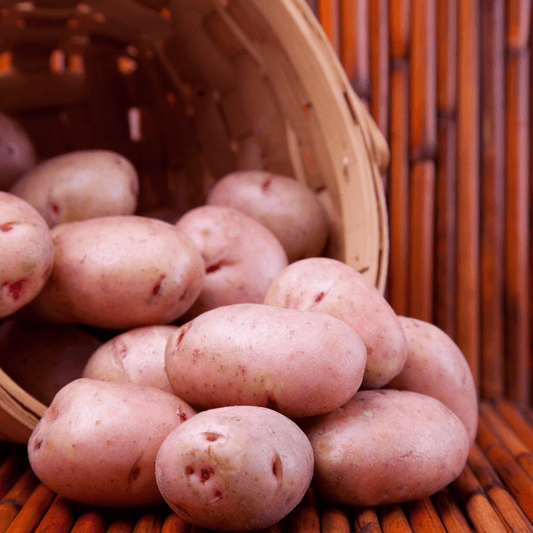
Gardeners with short summers often benefit from an early variety such as Organic Norland Red. Gardeners with a longer frost-free period can include mid- and late-season varieties to spread the harvest. In warm climates, schedule potatoes so tuber development avoids the hottest portion of the year; see our warm-climate potato guide.
Choose by Kitchen Use
- Firm or waxy potatoes tend to hold their shape well for salads, roasting, and boiling.
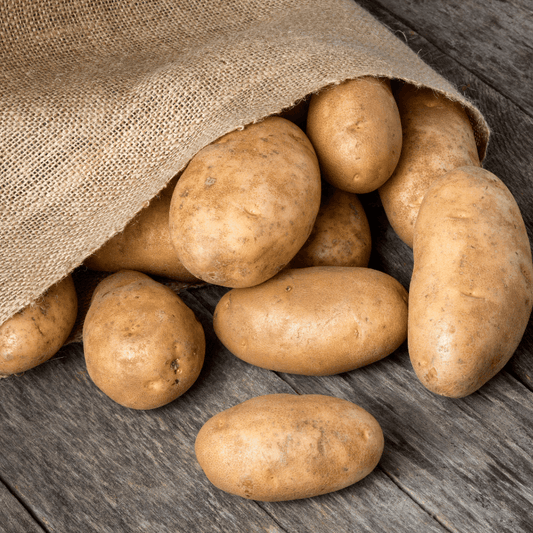
- Floury or starchy potatoes are often preferred for baking, frying, and fluffy mashed potatoes.
- All-purpose varieties provide flexibility across roasting, boiling, soups, and mashing.
Texture varies by variety and can also change with maturity and cooking method. Use each product description for current, variety-specific kitchen guidance.
Compare Color and Garden Interest
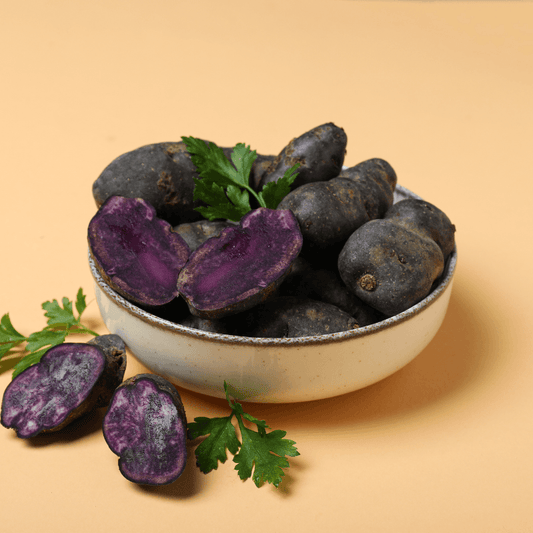
Skin and flesh color can help narrow the field. Red-skinned potatoes add color while often serving versatile kitchen roles. Yellow-fleshed varieties offer a rich color and smooth texture. Purple-fleshed varieties such as Organic Purple Majesty retain their most vivid color when cooking methods limit prolonged exposure to water.
Plan for Storage
If storage matters, choose a variety identified as a good keeper and allow the crop to reach full maturity. Thin-skinned new potatoes are intended for prompt use. Even a good storage variety needs careful digging, curing, darkness, high humidity, ventilation, and temperatures around 40–46°F after curing. Read How to Cure and Store Potatoes After Harvest.
Consider Disease History and Soil
No potato variety is immune to every disease. When a product lists resistance or tolerance, treat it as one risk-management tool rather than a guarantee. Rotate crops when practical, use certified seed potatoes, avoid moving suspect tubers between gardens, and diagnose symptoms before treating.
Featured Variety Starting Points
- Norland Red: early-season red variety for gardeners prioritizing an earlier harvest.
- Red Pontiac: mid-season red potato with broad kitchen versatility and storage potential.
- German Butterball: late-season yellow-fleshed variety prized for flavor and keeping quality.
- Russet Burbank: late-season russet suited to classic baking and frying uses.
- Purple Majesty: mid-season purple-fleshed variety with distinctive color and earthy flavor.
A Simple Selection Strategy
- Eliminate varieties that do not fit your available season.
- Choose the kitchen texture and color you will actually use.
- Decide whether you want new potatoes, storage potatoes, or both.
- Check current product details and availability.
- If space permits, plant varieties from two maturity classes to spread harvest timing.
Once you have chosen, use the complete potato growing guide for planting and care.
Choose by Planting Season
Spring is the standard planting season in many regions. Gardeners in suitable mild-winter climates can also use the fall seed potato planting guide to evaluate planting windows, maturity, drainage, frost exposure, and overwintering risk.
Browse all seed potatoes, organic seed potatoes, or the seasonal fall seed potato collection.