
Everything You Need to Know About Germinating Beetroot Seeds
Growing beets from seed is one of the most satisfying projects for beginner to intermediate gardeners. Beets are reliable, fast-growing, and give you both edible roots and tasty beet greens.
If you have ever wondered how to germinate beetroot seeds successfully, this guide walks you through the process step by step, with clear timing, soil tips, and common mistakes to avoid.

Understanding Beet Seeds and Germination
Beets belong to the species Beta vulgaris, the same plant family as swiss chard. What we call a beet seed is actually a small cluster of seeds. This means one seed can sprout more than one beet seedling, which is why thinning is important later.
Beet Germination Time
Gardeners often ask about beet germination time or germination time for beets. Under good conditions, beetroot seed germination usually takes 5 to 10 days. Cooler soil can slow things down, so if you are wondering how long does it take for beets to germinate, temperature plays a big role. In chilly spring soil, it may take closer to two weeks.
Choosing the Right Beet Varieties
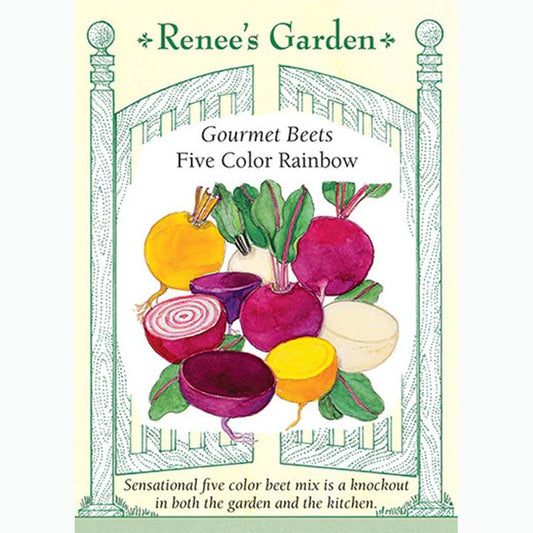
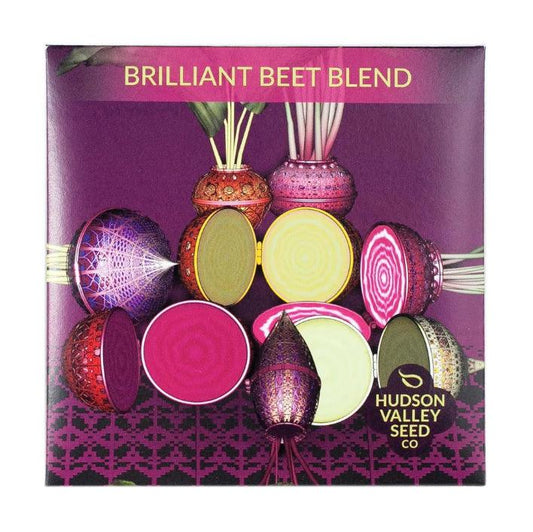
Starting with quality seeds improves results. Our beet seed collection includes dependable options like Touchstone Gold Beet Seeds, Bull’s Blood Beet Seeds (Organic), Organic Boro Beet Seeds, Cylindra Beet Seeds (Organic), and Dutch Baby Ball Beet Seeds. Colorful mixes such as the Organic Brilliant Beets Blend Art Pack and Five Color Rainbow Gourmet Beet Seed Mix are great for gardeners who enjoy variety, including red and white roots.
Gift options like the Prepper’s Survival Collection and Grandma’s Root Cellar Collection include trusted beet varieties along with other garden staples, making them ideal for long-term planning.

Step-by-Step: How to Germinate Beet Seeds
Prepare the Soil
Beets prefer loose, well-drained soil. Remove rocks and break up compacted areas using a garden fork. While beets tolerate slightly acidic soil, aim for a pH close to neutral for best results. Poor soil nutrition, especially boron deficiency, can cause misshapen roots later.
Planting Depth and Spacing
Plant beets seeds about inch deep. Space seeds 1 to 2 inches apart in rows, or scatter lightly if planting in raised beds. Proper spacing gives roots enough space to grow to their full inches in diameter without crowding.
Water and Temperature
Keep soil consistently moist but not soggy. Beets do not need heat mats. If you are asking how long for beets to germinate, remember they sprout best in cool weather, between 50 and 75°F. Using a light row cover can protect seedlings from cold snaps and pests.

Growing Conditions After Germination
Once seedlings appear, thin them so plants are 3 to 4 inches apart. This prevents competition and improves root size. As plants grow inches tall, you can harvest young beet greens while leaving the roots to mature.
Beets thrive across many growing seasons, making them ideal for spring and fall. For steady harvests, try successive plantings every two to three weeks. In hot weather, plants may bolt and send up flower stalks, which signals the root is past its prime.
Common Problems and Solutions
If your seeds fail to sprout, review soil moisture and temperature. Compacted soil, dry conditions, or planting too deep are common issues. Poor germination is rarely the fault of the seed itself when conditions are right.
Urban gardeners can find more practical advice in this guide to growing beets in urban gardens. For better yields, soil preparation matters, as explained in these tips on maximizing beet yield.
Companion Planting and Seasonal Tips
Beets grow well alongside onions, lettuce, and brassicas. Learn more in this overview of companion planting with beets.
For year-round harvest planning, this guide to seasonal beet cultivation strategies is especially helpful. If you enjoy exploring different shapes and colors, check out these unique beet varieties to cultivate.
Conclusion
Learning how to germinate beet seeds is simple once you understand timing, soil, and spacing. With proper care, beets reward gardeners with reliable harvests and flexibility across seasons.
Whether you grow classic red roots or golden varieties, beets are a practical and forgiving crop that builds confidence in the garden.