How to Grow Russet Burbank Potatoes: A Complete Guide for Home Gardeners
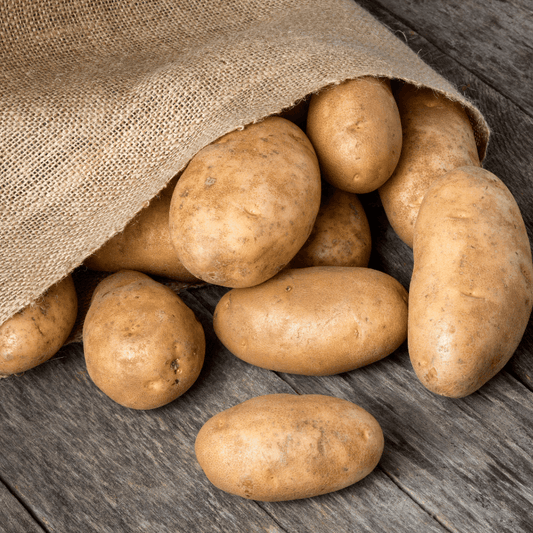
Russet Burbank is one of the most popular potato varieties grown in the United States. If you've ever eaten a baked potato or french fries from a restaurant, there's a good chance it came from a Russet Burbank potato.
Home gardeners like this variety because it produces large potatoes, stores well, and has a fluffy texture when cooked. If you're interested in growing Russet Burbank potatoes at home, this guide will help you learn everything from planting to harvest.

Why Choose Russet Burbank Potatoes?
Many gardeners choose this potato variety because it is reliable and productive.
Benefits include:
- Large potato tubers
- Good storage life
- Excellent for baking and frying
- Adaptable to many growing regions
- Strong yields when properly cared for
Some gardeners ask, are Russet Burbank potatoes difficult to grow? Not at all. They need the same basic care as most potatoes and are suitable for beginners.
When to Plant Russet Burbank Potatoes
Knowing when to plant Russet Burbank potatoes is important for a successful crop.
Potatoes grow best in cool weather. Wait until the danger of hard frost has passed and the soil temperature reaches at least 45°F.
In most areas, planting happens in early spring. Gardeners in warmer parts of the United States may plant earlier.
How to Plant Russet Burbank Potatoes
Learning how to plant Russet Burbank potatoes starts with selecting healthy planting stock.
Choose Certified Seed Potatoes
Always use certified seed potatoes when possible. Unlike potatoes from grocery stores, certified seed potatoes are inspected and grown specifically for planting.
Healthy seed potatoes help reduce disease problems and improve harvests.
Prepare for Planting
Large seed potatoes can be cut into smaller pieces. Each piece should contain at least one healthy eye.
Let the pieces dry for about 24 hours before planting. This helps protect the cut side from rotting.
Planting Instructions
For successful planting Russet Burbank potatoes:
- Choose a location with full sun.
- Use loose, drained soil rich in organic matter.
- Plant pieces 3 to 4 inches deep.
- Place the cut side down and the eye facing upward.
- Space plants about 12 inches apart.
- Leave 30 to 36 inches between rows.
Proper spacing gives each potato plant room to grow and allows more potato tubers to form underground.

Growing Russet Burbank Potatoes
Successful growing Russet Burbank potatoes requires regular care throughout the growing season.
Watering
Keep the soil evenly moist but not waterlogged.
Potatoes need the most water when tubers begin forming. Uneven watering can lead to smaller potatoes.
Fertilizing
Potatoes benefit from compost and balanced organic nutrients.
Base fertilizer decisions on a soil test or demonstrated need. Russet Burbank requires balanced nutrition; excessive nitrogen can favor foliage, while adding phosphorus or potassium to soil that already has adequate levels is unnecessary.
This recommendation applies whether you are growing German Butterball potatoes or are a Russet Burbank potato grower, as both varieties perform best when nutrients are balanced for healthy tuber production rather than excessive foliage growth.
Hilling
As the plants grow, pull soil around the stems.
This process is called hilling.
Hilling helps:
- Protect potatoes from sunlight
- Encourage more tuber production
- Support healthy plant growth
Repeat hilling every few weeks after planting.

Russet Burbank Growth Habit and Hilling
Potato sellers use “determinate” and “indeterminate” inconsistently, and the labels should not be used to promise tubers at multiple vertical levels. Russet Burbank is a late-season variety. Hill plants to keep tubers covered, prevent greening, and maintain loose soil—not because a growth-habit label guarantees higher yield.
Common Problems
Colorado Potato Beetles
Colorado potato beetles are one of the most common potato pests.
Check leaves regularly and remove beetles if you see them.
High Humidity
High humidity can encourage disease.
Give plants good airflow and avoid watering the leaves whenever possible.
Poor Potato Production
If your plants look healthy but you have few potatoes, the issue may be:
- Too much nitrogen
- Not enough sunlight
- Poor soil conditions
- Harvesting too early
Grow Organic's article on Potato Flower: Top Reasons You Have No Potatoes Yet provides additional troubleshooting tips.
Russet Burbank Potato Days to Maturity
Russet Burbank is a late-season variety. Grow Organic’s active SP240 product guidance lists approximately 100 or more days to maturity. The exact number depends on weather and growing conditions.
Compared with Yukon Golds and Red Pontiac, Russet Burbank takes longer to mature. However, the longer wait often results in larger potatoes.
The Russet Burbank potatoes days to maturity and Burbank Russet potatoes time to maturity make this a late-season variety.
When to Harvest Russet Burbank Potatoes
Knowing when to harvest Russet Burbank potatoes helps improve storage quality.
Wait until the vines turn yellow and begin dying back naturally.
Carefully dig around the plant and lift the potatoes from the soil.
Cure sound, unwashed tubers in darkness with good airflow, high humidity, and temperatures around 50–60°F before moving them to cooler storage.
For additional harvesting advice, see Grow Organic's guide on Perfect Timing for Potato Harvest.
Recommended Product
For gardeners ready to start growing potatoes:
- Organic Burbank Russet Seed Potato (lb) – A classic russet variety known for large potato tubers, excellent storage, and dependable harvests.
You can also browse Grow Organic's collections of Seed Potatoes and Organic Seed Potatoes.
Helpful resources:
- Grow Bigger, Healthier Potatoes
- Potato Flower: Top Reasons You Have No Potatoes Yet
- Perfect Timing for Potato Harvest
- Harvesting Flavor: Creative Potato Recipes Inspired by Oregon's Organic Farms
Conclusion
Learning how to grow Russet Burbank potatoes is easier than many new gardeners expect.
Success starts with healthy seed potatoes, proper soil preparation, and careful attention to planting potato crops at the right time of year. Plant them in loose, well-drained soil, water regularly, and hill the plants as they grow.
With a little patience, you'll be rewarded with large, flavorful potatoes that store well and are perfect for baking, frying, and mashing.
FAQs About Growing Russet Burbank Potato
When to plant Russet Burbank potatoes?
Are russet and Burbank potatoes the same?
Can I plant Burbank russet potatoes in the fall?
How do you plant Russet Burbank potatoes?
How do you grow Russet Burbank potatoes in Zone 9b?
What are common mistakes when growing Russet Burbank potatoes?
What fertilizer increases Russet Burbank potato size?
What fertilizer is best for Russet Burbank potatoes?
How can I tell when Russet Burbank potatoes are ready?
How do you grow Russet Burbank potatoes from seed?
Related guidance: Use Perfect Timing for Potato Harvest for the complete harvest, curing, and storage process, or return to the complete potato growing guide. Browse current seed potato varieties.
Russet Burbank Resources
- How Russet Burbank compares with other russets
- Net necrosis and Potato leafroll virus
- General potato harvest, curing, and storage
- Organic Burbank Russet Seed Potato (SP240)
Compare before planting: Use the seed potato selection guide to compare Russet Burbank by maturity, kitchen use, color, and storage potential.