Potato Flower: Top Reasons Your Potato Plants Are Flowering but Not Producing Tubers
Potato flowers show that the plant has entered its reproductive stage, but flowering and tuber formation are separate responses influenced by variety, day length, temperature, moisture, and plant health. Plants may form tubers without flowering, and flowers do not confirm tuber size or harvest readiness.
Many gardeners get excited when they see flowers, only to become confused when they dig into the soil and find just a few small potatoes. If you're thinking, "My potato plants are flowering, but where are the potatoes?" don't worry. This is a common concern among home gardeners and commercial growers of potato crops alike.
In many cases, the potatoes simply need more time to size up underground. In other situations, factors such as weather, watering practices, soil conditions, or nutrient imbalances may slow tuber growth. Understanding what is happening beneath the soil can help you identify the cause and improve your harvest.
Let's explore what is happening and what you can do about it.

Do Potato Plants Flower?
Many gardeners ask, do potato plants flower and do potatoes have flowers?
Yes, they do.
A potato plant flower may be white, pink, purple, or blue depending on the variety. These flowers of potato plant usually appear in the middle of the growing season.
Flowering time varies widely by variety and conditions, so a fixed number of weeks after planting is only a rough observation, not a harvest calendar.
Some varieties produce lots of blooms. Others may produce only a few. It is also possible to harvest a good crop from plants that never flower.
What Does It Mean When Potato Plants Flower?
Flowers may appear around the period of tuber initiation, but the relationship is not reliable enough to diagnose underground growth.
Continue normal care and avoid digging solely because flowers appeared. If you want new potatoes, make a careful test dig near the hill’s edge; for mature storage potatoes, wait for vine decline and skin set.
However, flowers do not mean the potatoes are ready to harvest.
You may see potatoes in flower while the potatoes below the soil are still small.
If your potato plants flowering look healthy, the best thing to do is wait and let them keep growing.
Why Are My Potato Plants Flowering but Not Producing Tubers?
1. The Potatoes Need More Time
This is the most common reason. Many gardeners see potato plant flowers and assume harvest time has arrived. In reality, flowering often happens weeks before the potatoes reach full size.
A mature potato may take up to 120 days from planting to harvest, depending on the variety. If you recently noticed potatoes flowering, be patient. The potatoes underground may still be growing.
2. Too Much Nitrogen
Nitrogen helps plants grow leaves and stems. Too much nitrogen can cause a potato plant to put most of its energy into green growth instead of making potatoes. The plant may look large and healthy above ground but produce few tubers below the soil.
3. Uneven Watering
Potatoes need steady moisture once tubers begin forming. If the soil stays dry for long periods and then suddenly becomes very wet, potato growth can slow down. Try to keep the soil evenly moist throughout the season.
4. Hot Weather
Potatoes prefer cool growing conditions. Prolonged high soil and air temperatures can reduce tuber initiation and bulking. The plant may continue flowering, but the potatoes underground may not grow much larger.
5. Poor Seed Quality
Healthy potatoes start with healthy planting stock. Using high-quality seed potato pieces gives plants the best chance of producing a good harvest.
Some potato varieties are also naturally more productive than others.

Does Removing Potato Flowers Increase Yield?
Many gardeners ask, does removing potato flowers increase yield?
For most home gardens, the answer is no.
Flower-removal results vary by variety and conditions, and routine removal is not a dependable way to increase yield. Focus instead on steady moisture, suitable temperatures, adequate light, balanced nutrition, and healthy foliage.
Sweet Potato Flowers Are Unrelated
Sweet potatoes (Ipomoea batatas) are botanically different from potatoes. Their morning-glory-like flowers and harvest cues should be evaluated with sweet-potato-specific guidance rather than this article.
Recommended Seed Potatoes
Starting with quality seed potatoes can help improve your harvest.
Grow Organic offers many options through its Organic Seed Potato Collection.
Good choices include:
- Organic Lamoka Seed Potato, known for disease resistance and dependable yields.
- Organic Yukon Gold Seed Potato, a popular choice for home gardens.
- Organic Kennebec White Seed Potato, valued for strong production.
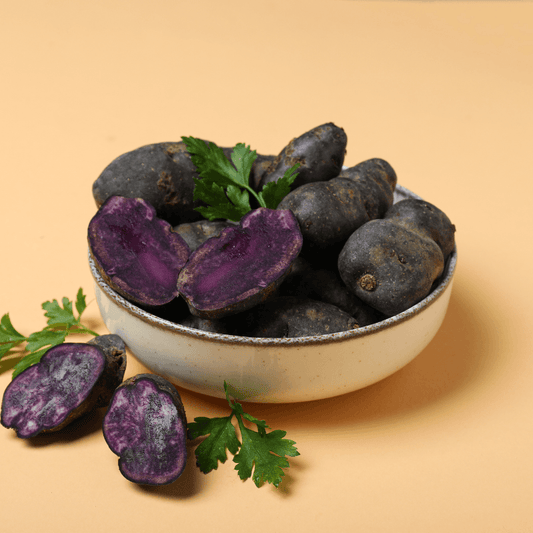
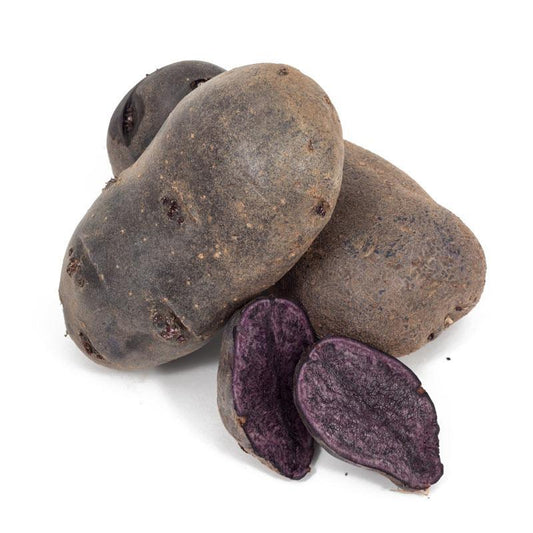
- Organic Purple Fiesta Seed Potato, which adds colorful potatoes to your harvest.
You can also learn more from Grow Organic's guides on growing potatoes, growing bigger healthier potatoes, and perfect timing for potato harvest.
Resources & Further Reading
Want to learn more about growing healthy potato plants and improving your harvest? These helpful guides cover planting, care, disease prevention, troubleshooting, and garden strategies for better potato production:
- Potato Growing Guide – Learn the essentials of planting, watering, hilling, soil preparation, and harvesting to help your potato plants grow strong and productive.
- Tips for Growing Potatoes in Your Home Garden – Discover practical advice for choosing planting methods, supporting healthy growth, and producing larger potato harvests at home.
- Potato Blight: How Gardeners Can Stop It Before It Spreads – Understand common potato diseases, how blight affects plants, and steps you can take to protect your crop during the growing season.
- Potato Leaves Turning Yellow: Common Causes and Solutions – Learn how to identify yellowing foliage and address possible issues involving watering, nutrients, pests, or disease.
- Potato Companion Plants: Best Garden Pairings for Growth – Explore companion planting ideas that can support healthier potato plants, improve garden diversity, and help manage common pest pressures.
These resources can help you understand potato plant development, solve common growing challenges, and create the right conditions for a healthier, more productive harvest.
Conclusion
A flowering potato plant is usually a sign that things are moving in the right direction.
In most cases, potato flowering means tubers are starting to develop below the soil. If your my potato plants are flowering but you do not see potatoes yet, the problem is often timing rather than a serious issue.
Keep the soil evenly moist, avoid over-fertilizing, and give the plants enough time to finish growing.
With patience and proper care, the potato in the ground will continue developing and reward you with a better harvest.
FAQs About Potatoes Flowering
Do potatoes still grow after flowering?
Why are my potato plants flowering but not producing tubers?
Why did my potato plants not produce potatoes at all?
Will potatoes grow if not chitted?
What do I do if my potato plants are flowering?
How long after potatoes flower are they ready?
Do potato plants produce fruits?
Related guidance: Use the yellow-leaf diagnostic guide to compare symptoms, the potato blight guide for early- versus late-blight details, or the complete growing guide for preventive cultural care. Browse certified seed potatoes.
Check Other Potato Symptoms
Flowering does not always indicate tuber size or harvest readiness. Use the Potato Troubleshooting Hub if the crop also shows foliage or tuber damage.