
Chard Harvesting and Storage Guide: Grow More, Keep It Fresh Longer
Swiss Chard is one of the easiest leafy vegetables to grow and one of the most productive, especially when you plant chard in well-prepared soil and care for its vibrant green leaves. With the right approach to harvesting chard and storing chard, a single planting can provide steady harvests for months.
If you’ve ever wondered when to harvest Swiss Chard, how to keep it growing, or the best way to store Swiss Chard, this guide walks you through the process step by step. From picking tender green leaves at the right time to storing fresh greens properly, you can improve both yield and quality after you plant chard.
If you are still learning about planting and care, start with this helpful guide on growing swiss chard successfully.
Why Proper Harvesting and Storage Matters

Swiss Chard produces continuously through the growing season, but how you harvest chard directly affects how long the plant keeps producing.
Careful harvesting:
- Encourages new growth from the center
- Keeps leaves tender and flavorful
- Prevents plants from becoming tough or stressed
Proper storage is just as important. Like most leafy vegetables, chard loses moisture quickly. Learning how to store fresh Swiss Chard helps preserve texture, color, and nutrients.
When to Harvest Swiss Chard
Understanding when is Swiss Chard ready to harvest is key to getting the best flavor and texture.
Most varieties are ready for their first harvest about 30 to 40 days after planting, when leaves reach about 6 to 10 inches long. At this stage, you’ll have tender leaves that are ideal for salads and light cooking.
For larger harvests, you can wait until leaves reach full size, usually around 10 to 12 inches, depending on the variety.
Signs Chard Is Ready
- Leaves are broad, well-formed, and vibrant
- Stems and leaves feel firm, not limp
- Outer leaves are mature while inner leaves are still developing
This applies whether you are growing standard green chard or colorful varieties like rainbow chard.
How to Harvest Swiss Chard

If you’re asking how do you harvest swiss chard, the method is simple but important.
Swiss chard is a “cut-and-come-again” crop. That means you harvest the outer leaves and allow the center to keep producing.
Step-by-Step Harvesting
- Choose outer, mature leaves first
- Cut the leaf at the base near the soil line
- Leave the center leaves intact
- Avoid damaging the crown of the plant
This method answers both how to harvest chard and how do I harvest Swiss Chard properly.
Key Tip
Always harvest from the outside in. This keeps the plant producing fresh greens throughout the growing season.
If you harvest correctly, a single plant can produce for several months.
Harvesting for Different Uses
Swiss chard can be harvested at different stages depending on how you plan to use it.
- Tender baby leaves: Best for salads and fresh greens
- Medium-sized leaves: Ideal for sautéing and stir fries
- Full size leaves: Great for cooking, soups, and braising
Both the leaves and stems are edible. The chard stems have a slightly firmer texture and can be cooked separately or together with the leaves.
How to Keep Chard Producing Longer

One of the biggest advantages of harvesting Swiss Chard is its long growing window.
To extend production:
- Harvest regularly, but not all at once
- Water consistently to prevent stress
- Avoid letting plants fully mature without picking
Healthy plants will continue producing new leaves until extreme heat or cold slows them down.
How to Store Swiss Chard
Once harvested, knowing how to store Swiss Chard properly makes a big difference.
Chard is highly perishable, so handling it carefully right after harvest helps preserve freshness.
Best Way to Store Swiss Chard in the Refrigerator
- Do not wash immediately after harvest
- Wrap leaves in a damp paper towel
- Place in a plastic bag or breathable produce bag
- Store in the crisper drawer
This is the best way to store chard short term and keeps leaves fresh for about 5 to 7 days.
This method works whether you want to store swiss chard, store red chard, or store rainbow chard.
How to Store Fresh Swiss Chard Longer
If you’re wondering how do you store swiss chard for longer periods, refrigeration alone may not be enough.
Freezing Chard for Long-Term Storage
To freeze chard:
- Wash leaves thoroughly
- Remove tough stems if desired
- Blanch leaves in boiling water for 1–2 minutes
- Transfer to ice water
- Drain and dry
- Pack into a freezer bag
Freezing helps preserve nutrients and allows you to store chard for several months.
This is one of the most reliable ways to handle large harvests during peak growing season.
Storing Different Types of Chard

Storage methods are similar across varieties, but a few details help maintain quality.
- Green chard: Stores well with minimal moisture
- Red chard: Slightly more delicate, avoid excess handling
- Rainbow chard: Store gently to preserve vibrant color
No matter the type, the key is to reduce moisture loss and avoid crushing the leaves.
Choosing the Right Chard Varieties
The variety you grow affects both harvest timing and storage performance.
Here are a few reliable options:
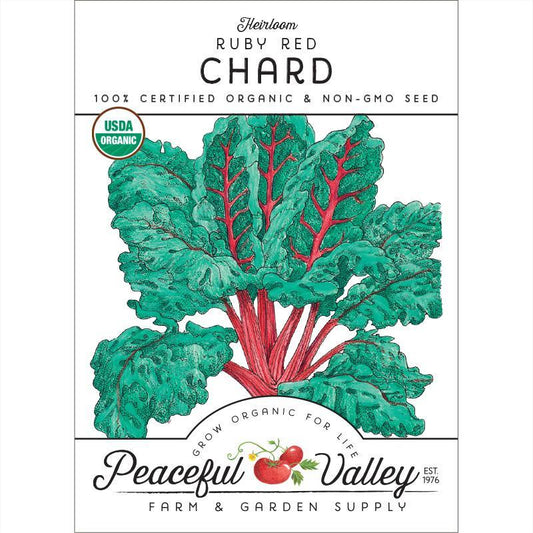
- Red Ruby Chard Seeds (Organic) – Known for deep red stems and strong flavor. Learn more about growing it in this guide on growing ruby red chard in warm climates
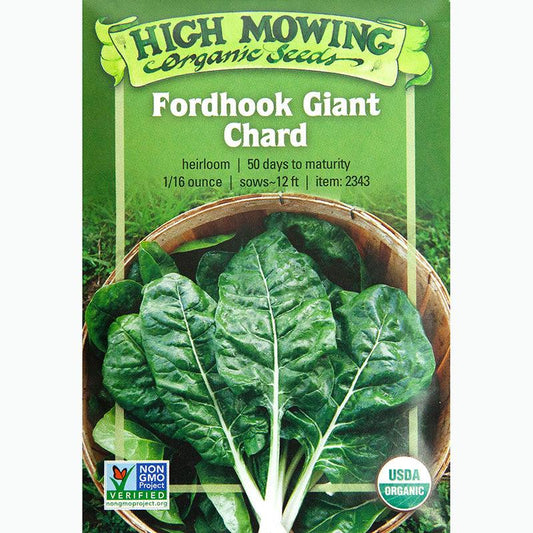
- Fordhook Giant Chard Seeds (Organic) – A classic variety with large, productive leaves. See the full background in this guide to Fordhook Giant chard
- Five Color Silverbeet Chard Seeds (Organic) – A mix of colorful stems, often called rainbow chard
You can explore more options in our collection of organic chard seeds.
For detailed planting and care, refer to this complete chard growing guide.
Special Tips for Harvest Timing and Quality
- Harvest in the morning when leaves are fully hydrated
- Avoid harvesting during peak heat
- Use clean, sharp tools to reduce plant stress
- Harvest regularly to maintain tender leaves
These small details improve both flavor and shelf life.
Conclusion
Learning how to harvest Swiss Chard and how to store chard properly can turn a single planting into a long-lasting source of fresh greens.
Harvest outer leaves regularly, keep the plant growing, and store your harvest carefully to maintain quality. With consistent care, Swiss Chard can produce through much of the growing season and provide a steady supply of nutritious, versatile leaves.