How to Store Turnips: The Complete Guide to Harvesting and Long-Term Storage to Keep Turnips Fresh
Turnips are an easy to grow crop that provides two useful harvests. The turnip root can be roasted, mashed, or added to soups, while the turnip leaves can be cooked like other leafy greens.
Good flavor starts with harvesting at the right time. Proper turnip storage then keeps the roots crisp and prevents waste. This guide explains when to harvest turnips, how to lift them without damage, and how to store fresh turnips at home.

When Are Turnips Ready to Harvest?
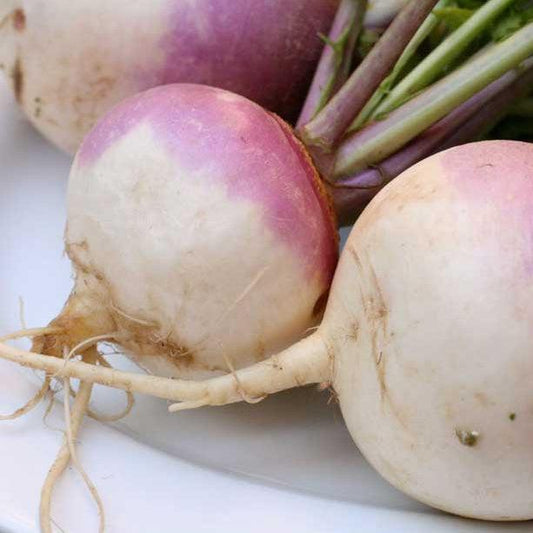
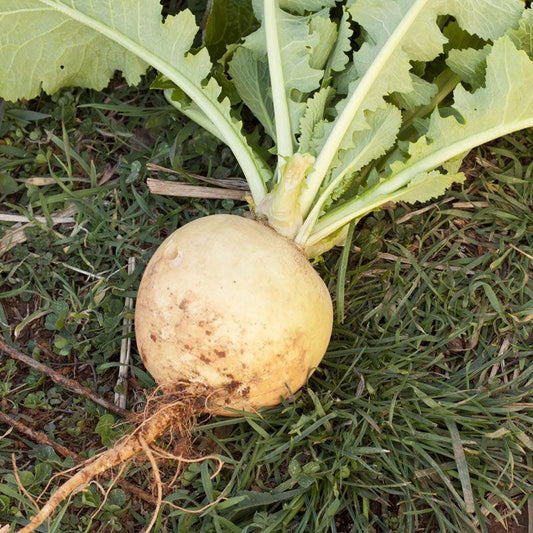
Your seed packet provides the best estimate for turnip harvest time. Many turnips mature in about 30 to 60 days, depending on the variety and weather. Roots often have the best texture when they reach about 2 to 3 inches in diameter. Oversized roots may become tough, woody, or stronger in flavor.
Gardeners often ask when are turnips harvested, when harvest turnips, or when are turnips ready to harvest. Gently brush soil away from the top of one root and check its width. This is the simplest answer to how to know when turnips are ready to harvest and how to tell when turnips are ready to harvest.
Turnips prefer cool weather, and a light frost may improve their sweetness. A fall crop can often remain in the garden through light frosts, but roots should be lifted before the soil freezes hard.
How to Harvest Turnips
For successful turnip harvesting, water dry soil lightly the day before you plan to dig. Hold the green tops close to the root and pull gently. Use a garden fork to loosen heavy soil so you do not cut or bruise the roots.
If you are learning how to harvest turnips, follow these basic steps:
- Choose firm roots of the desired size.
- Loosen the soil beside each turnip plant.
- Pull the root straight upward.
- Set aside any cracked, cut, or damaged roots for immediate use.
The best time to harvest turnips is during cool morning weather. Handle them carefully because cuts and bruises can shorten storage life.
Turnips are usually sown about 1/4 to 1/2 inch deep. When gardeners grow turnip crops in loose soil, the roots are often easier to lift. As turnips grow, check their exposed shoulders every few days rather than waiting for every plant to reach the same size.

Harvesting Turnip Greens
Knowing when to harvest turnip greens depends on how you plan to use them. Young leaves are usually milder and more tender. You can begin picking once the plants are several inches tall and have enough leaves to continue growing.
To harvest turnip greens, pick a few outer leaves and leave the central growing point. This method explains how to harvest turnip greens without stopping root development. Avoid removing every turnip green if you also want a large root.
For a greens-only crop, you can cut the entire plant near soil level. Wash harvesting turnip greens carefully and refrigerate them soon after picking. Utah State University advises harvesting leafy greens while the stalks and leaves are still young and tender.
How to Store Turnips in the Refrigerator
So, how do you store turnips after harvest? Remove the leafy tops first. Attached leaves continue pulling moisture from the root, which can make it soft.
Do not cut into the root itself. Brush away loose soil, wash it with clean water, and dry it well. Place the roots in a perforated plastic bag in the vegetable crisper drawer. The bag holds moisture while its holes reduce excess condensation.
These steps are the best way to store turnips for normal home use:
- Remove the tops.
- Discard damaged or soft roots.
- Clean and dry sound roots.
- Refrigerate them in a perforated bag.
- Check weekly and remove any root that begins to spoil.
Gardeners asking how do I store turnips, how to store a turnip, or how do you store fresh turnips can follow this same method. University of Minnesota Extension recommends keeping cleaned roots and tops separately in the refrigerator and using them within about one to two weeks.
Commercial cold storage can preserve sound roots longer at temperatures just above freezing and very high humidity. Most home refrigerators cannot provide those exact conditions, so storing turnips for many months may not be practical.
For longer storage, choose healthy roots, remove the tops, and store roots in a cold, moist root cellar or protected outdoor storage system. Inspect them often. Utah State University reports that suitable cold, humid storage may preserve turnips for several months.

Turnip Varieties to Grow and Store
Browse Grow Organic's collection of turnip seeds when planning your next spring or fall planting.
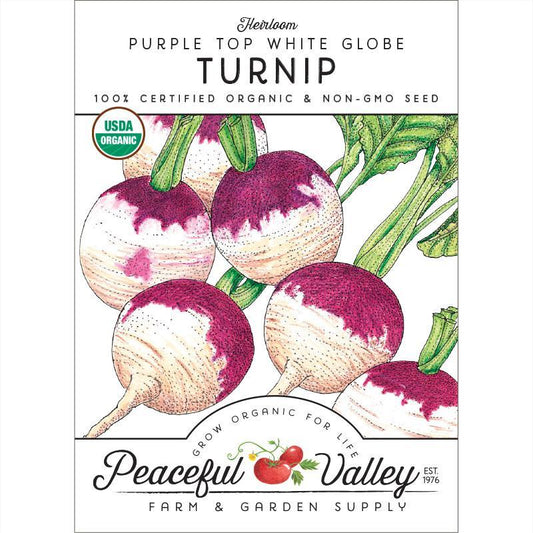
- Purple Top White Globe Turnip Seeds produce smooth roots with crisp white flesh and a light sweetness. This classic Purple Top White Globe variety is useful for cooking and storage.
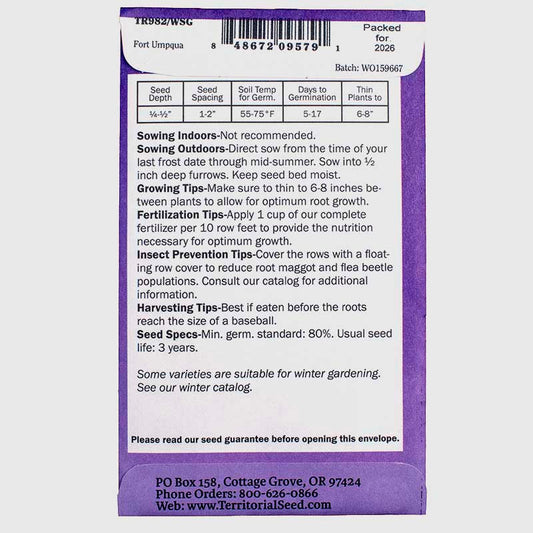
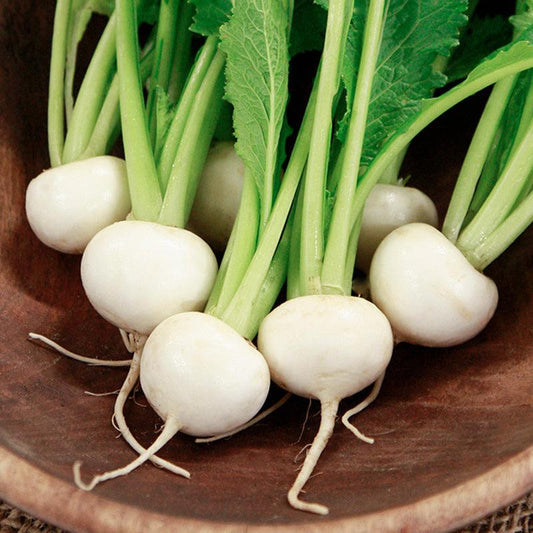
- Fort Umpqua Turnip Seeds produce mild roots and tender greens during cool spring and fall conditions.
- Tokyo Market Turnip Seeds grow mild roots that are best enjoyed fresh, although the roots can be kept in cool, moist conditions.
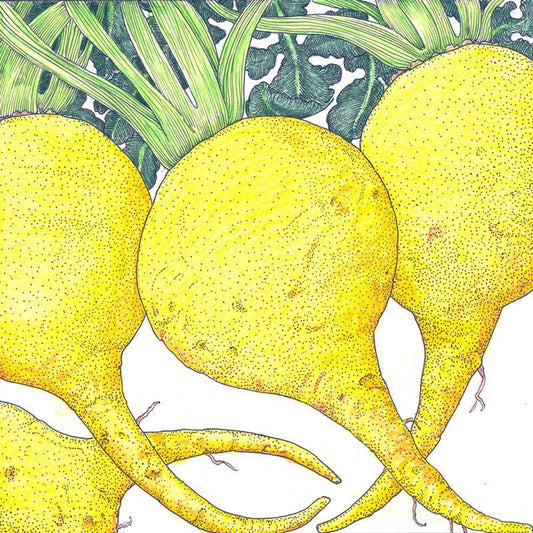
- Organic Golden Globe Turnip produces mild golden roots described as good keepers.
Learn more about adding cool-season vegetables to your garden, or use the November Gardening Checklist to plan seasonal work.
Conclusion
Learning how to store turnips begins with careful harvesting. Lift roots while they are young and firm, remove the tops, and refrigerate them in a bag that allows some airflow. With proper handling, this useful root vegetable stays fresher and keeps its best texture for meals after harvest.