

Peach leaf curl is caused by Taphrina deformans and affects peaches and nectarines. The central management fact is timing: infection occurs as buds open during cool, wet conditions, while the distorted leaves become visible later. Once symptoms appear, a spray cannot restore infected leaves.
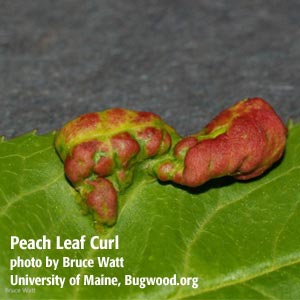
How to recognize peach leaf curl
- Thickened, puckered, or curled young leaves
- Red, pink, yellow, or pale-green discoloration
- A velvety surface as the fungus produces spores
- Premature leaf drop after severe infection
- Occasional distortion of young shoots or fruit
Do not diagnose every curled leaf as peach leaf curl. Aphids, herbicide injury, water stress, nutrient problems, and other diseases can distort foliage.

Disease lifecycle
The fungus persists on bud and bark surfaces. Rain or irrigation can move spores onto opening tissue. Infection is favored by cool, wet weather during bud development. Symptoms appear after infected leaves expand, which is why visible spring treatment is generally too late for those leaves.
Prevention timing
Where the disease is recurring, preventive treatment is generally applied during dormancy after leaf fall and before susceptible buds open. The exact number and timing of applications depend on disease history, winter rainfall, local guidance, and the label of the selected product.
Do not rely on fixed dates such as Thanksgiving, January 1, or February. Bud stage varies by climate, elevation, and season.
Selecting a product
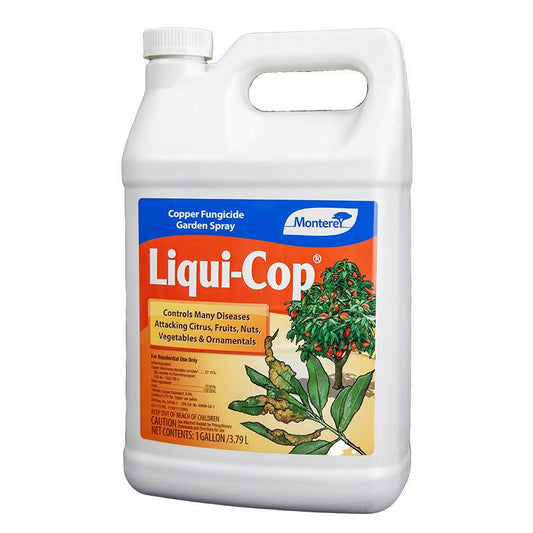
Use only a fungicide labeled for peach leaf curl on the crop and site. Copper formulations and other active ingredients differ in metallic copper equivalent, concentration, application rate, permitted timing, protective equipment, temperature limits, and compatibility with oils or other products. The current label—not a blog recipe—is the source of truth.
Do not add horticultural oil as a “sticker” unless both labels allow the combination. Never substitute a product that is not registered for the intended residential or orchard use.
What to do after symptoms appear
- Maintain appropriate root-zone moisture without saturation.
- Avoid forcing soft growth with unnecessary nitrogen.
- Thin an excessive crop if defoliation leaves too little foliage to support it.
- Monitor the second flush of leaves and overall tree vigor.
- Record disease severity and plan the next dormant preventive window.
Removing individual infected leaves does not eliminate the fungus and can further reduce photosynthetic area. Prune only for a separate structural or sanitation reason.

Variety selection
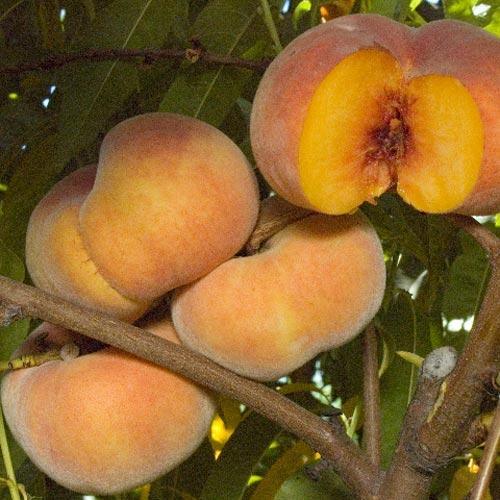
Susceptibility differs among cultivars, but “resistant” does not mean immune. Current availability changes, so browse peach trees and nectarine trees, then use product pages and Tree Characteristics for offered-tree details.
Related guidance
Watch the Peach Leaf Curl video for a visual overview. For other symptoms, use Diagnosing Peach Tree Problems Beyond Leaf Curl.

14 comments
I came across a treatment I tried during the growing season. Soak minced onion (I used Egyptian walking onions that were past use) in water, strain and add a few drops of detergent. Spray all over tree. I was amazed at how well it was controlled through the summer. I assume it is the sulfur content of onions.
In spite of spraying with copperoxychloride with a little oil added for greater adherence, my Blackboy Peach, Nectarine and Golden Queen Peach all have leaf curl. The Blackboy Peach is supposed to be pretty resistant to leaf curl. The Golden Queen Peach has much less leaf curl than the Blackboy, but is partly sheltered by the house roof overhang. I sprayed 3x; winter, bud swell and just before bud break. I ruthlessly picked up fallen leaf curl leaves during the past season and I’m continuing to pick them up now. I’m also picking off infected whole leaves and infected portions of leaf. BUT, the infection started at the very tops of my trees, which implies that it has spread from other stone fruit in the area. I’ll try a seaweed spray and hope that it has an effect!
Cesar, your tree should really be planted in full sun, or at least 6-8 hours of sun. You may consider moving the tree to a sunnier location, but do it in the winter when the tree is dormant. If your tree has peach leaf curl, right now there is not much you can do for the tree, other than keep it healthy. In the winter you can spray the tree, as stated in the article and the video.
If I already have fruit growing, what can I do to keep it at bay. I planted the tree 1 year ago and it is now 8 feet tall and not sure what type of peach it is. I have it planted in the corner of my backyard where there is lots of shade in the non spring/summer months, should I move it?
I live in the Seattle area, and purchased two dwarf peach trees of a peach leaf curl-resistant variety (“Frost”), and while very small in stature they have a small yield of developing peaches so far this spring (it’s May).
Over the winter, I purchased another (larger and more established) dwarf peach tree that was supposedly also peach leaf curl-resistant of the “Frost” varietal, thinking that this would actually be the tree that would bear fruit this year, though no flowers ever materialized. However, I’m now seeing evidence of reddish leaf curl on many of the leaves, while the smaller less-established trees remain nearby with small fruits and no evidence of leaf curl.
Does anyone know the smaller trees with no evidence of disease are safe from infection at this point in the growing season, seeing as how leaves and fruits are unaffected? Should I destroy the infected plant so as not to provide a source of spores to the healthy plants? Or perhaps just ride this season out and treat all of them with fungicide in the fall/winter?
Thanks in advance!