Popcorn Isn’t Just Popcorn: Blue, Strawberry, and Other Types Explained
Popcorn seems simple. You heat it in an air popper, wait for the sound of kernel popping, and enjoy a bowl on movie night. But in the garden, popcorn is more than just a snack. Different colors, shapes, and plant habits make it one of the most interesting types of corn you can grow.
If you have ever wondered, is popcorn corn, the answer is yes. Popcorn is a specific botanical type known as zea mays everta. When gardeners ask what type of corn is popcorn or what type of corn is used for popcorn, they are talking about this distinct group. It is different from sweet corn and different from field corn.
You can explore many options in our collection of corn seeds, including unique popcorn corn seeds suited for home gardens.

What Makes Popcorn Different?
What Kind of Corn Is Used for Popcorn?
The answer to what kind of corn is used for popcorn is flint corn. Popcorn belongs to the flint corn group. Flint corn has a hard outer shell and dense interior starch. That structure traps moisture inside the corn kernel.
When heated, moisture turns to steam. Pressure builds until popcorn pops and forms a fluffy popped kernel. Sweet corn and field corn do not pop well because their starch structure is different.
Unlike sweet corn, which you eat fresh, popcorn must fully dry on the stalk. After harvest, you remove the dry kernels from the cob and store them for later use.
For a broader overview of the different types of corn, see choosing the right corn varieties.
Popular Popping Corn Types
Blue Popcorn
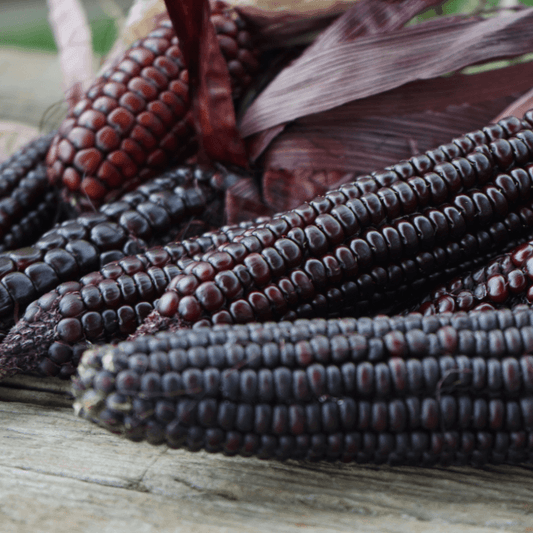
Blue popcorn and blue corn popcorn are known for deep colored kernels that pop white. The blue color comes from natural plant pigments. It does not change how popcorn pops, but it adds visual appeal in the jar. Many gardeners enjoy growing it as both food and decoration.
Strawberry Popcorn
Strawberry popcorn produces small ears shaped like strawberries. You may also see it labeled as strawberry popcorn corn, strawberry corn popcorn, or even corn strawberry popcorn.
The popcorn corn plant for strawberry varieties is usually shorter and works well in small plots. If you are limited on space, this can be a good option alongside other popping corn types.
White and Yellow Popcorn
Traditional white popcorn produces tender flakes. Varieties with yellow kernels are also common and sturdy. Choosing the best corn for popcorn often comes down to flavor preference and garden space rather than color.
Recommended Popcorn & Colorful Corn Varieties
If you are ready to grow popcorn or experiment with colorful maize, here are strong options for home gardeners:
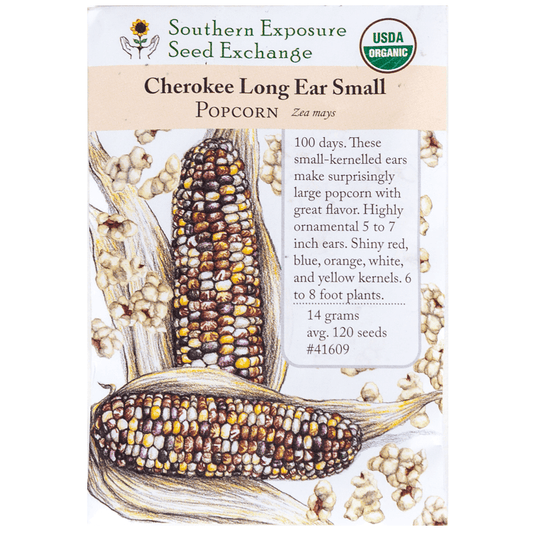
- Cherokee Long Ear Popcorn Corn (Organic) and Organic Corn, Cherokee Long Ear Popcorn (1/4 lb) – reliable popcorn corn seeds bred specifically for strong kernel popping and consistent yields.
- Dakota Black Popcorn Corn – dark, striking kernels that pop well and grow vigorously.
- Glass Gem Corn Seeds (Organic) – famous rainbow corn with jewel-toned kernels; decorative and usable as corn for popcorn once fully dried.
- Organic Martian Jewels Corn Seeds – vibrant multi-colored ears for gardeners who love visual impact.
- Painted Mountain Corn Seeds (Organic) and Organic Corn, Painted Mountain (1/2 lb) – hardy flint corn suited to a wide range of growing conditions.
- Hooker’s Sweet Indian Corn Seeds (Organic) and Double Red Corn Art Pack (Organic) – colorful flint types that showcase traditional corn diversity.
- Gift Seed Tin – Three Sisters Collection – a great way to grow corn alongside beans and squash using classic companion planting.
Choosing the right popcorn seeds ensures strong plants, good drying, and dependable popcorn pops at the end of the season.

Growing Corn for Popcorn
Popcorn Planting Basics
Successful growing corn for popcorn starts with warm soil. Wait until after your last frost date and ensure soil temperature is at least 60°F before popcorn planting. Corn needs warmth for strong early growth.
Plant in blocks instead of long single rows. Corn is wind pollinated, and block planting improves pollination. For guidance, see our beginner’s guide to growing corn and detailed instructions on how to grow sweet corn, popcorn or dry corn in your garden.
Popcorn typically needs a full growing season of 90 to 110 days, depending on the variety.
Care During the Growing Season
To grow popcorn successfully, keep soil evenly moist and feed lightly with nitrogen early on. Avoid overcrowding, as good air flow supports strong plants. If space is limited, review tips for growing corn in small spaces.
Weed control matters. This guide on organic weed control in corn shows practical approaches.

Harvesting and Drying
Unlike sweet corn, corn for popcorn must dry fully on the stalk. Leave ears in the field until husks turn brown. After harvest, hang them in a dry area for several weeks.
Once fully cured, remove kernels from the cob. Proper drying ensures good kernel popping. If moisture is too high, popcorn pops poorly. If too dry, the popped kernel may be small.
For more details, read how to grow popcorn and the best way to pop it.
Homegrown pop corn is excellent for caramel corn or simple stovetop snacks.
Popcorn is not just a snack. With the right popcorn seeds and good care, you can grow popcorn that stores well and brings fresh flavor to every bowl.
FAQs About Popcorn Corn Varieties
Are there different types of corn for popcorn?
Which popcorn kernels are healthiest?
Is popcorn corn different from normal corn?
Which is the best corn for popcorn?
What color popcorn kernels are healthiest?
Does blue corn make good popcorn?
How long does strawberry popcorn take to grow?