Diagnose rodents, grasshoppers and freeze-damaged plants in Interior West fall gardens with a condition-based IPM escalation ladder. Across the Rocky Mountains, Great Basin and high-desert Interior West, conditions vary sharply between lower valleys and high elevations, so local soil, exposure and forecast matter more than a single regional calendar. Diagnose the current condition first, choose the narrowest useful action and define the observation that will verify it. Recommendations change among the lower Front Range and intermountain valleys, mountain valleys and high elevations, the Great Basin, and high-desert plateaus.
Start with Working Backward from the First Hard Freeze: A Fall Soil-and-Harvest Plan for the Interior West when you need the complete seasonal plan. For closely related decisions, see Harvest, Storage, and Perennial Protection Before Interior-West Winter and Reducing Irrigation Without Leaving High-Desert Soil Exposed.
Expect different pest and disease patterns
| Segment | Seasonal context | Pressures to distinguish | IPM gate |
|---|---|---|---|
| Lower Front Range and intermountain valleys | Lower valleys have more heat but still face wind and early frost | Grasshoppers, flea beetles, cutworms, mites, rodents and wildlife; storage pests; frost, hail and salt injury can be mistaken for disease. | Confirm organism, fresh damage and weather interaction. |
| Mountain valleys and high elevations | High elevations require fast crops and season extension | High UV, low humidity, strong wind and large day-night temperature ranges; lower valleys can be hot while high elevations retain cold nights. | Confirm organism, fresh damage and weather interaction. |
| Great Basin | Great Basin sites prioritize water and salinity | Late snow, early freeze, hail, wind, drought, wildfire smoke, intense sun, flash runoff and freeze-thaw. | Confirm organism, fresh damage and weather interaction. |
| High desert and plateau | High deserts combine intense sun, cold nights and sparse rainfall | Do not lower pH or add phosphorus without testing; do not rely on calendar frost dates; avoid plastic heat capture without ventilation; qualify snowpack and water outlook to current official data. | Confirm organism, fresh damage and weather interaction. |
High UV, low humidity, strong wind and large day-night temperature ranges; lower valleys can be hot while high elevations retain cold nights. Temperature, humidity and plant stress can change both pest development and treatment safety, so the label and current weather remain controlling.
Pest-versus-stress diagnostic table
| Possible pressure | Confirm by | Look-alike or interaction | First response |
|---|---|---|---|
| Grasshoppers | Inspect live organisms, life stage, distribution and fresh damage. | Heat, cold, wind, water, salts, roots or disease may overlap. | Correct culture, exclude/remove selectively, then reassess threshold. |
| Rodents and wildlife | Inspect live organisms, life stage, distribution and fresh damage. | Heat, cold, wind, water, salts, roots or disease may overlap. | Correct culture, exclude/remove selectively, then reassess threshold. |
| Flea beetles and cutworms | Inspect live organisms, life stage, distribution and fresh damage. | Heat, cold, wind, water, salts, roots or disease may overlap. | Correct culture, exclude/remove selectively, then reassess threshold. |
| Spider mites | Inspect live organisms, life stage, distribution and fresh damage. | Heat, cold, wind, water, salts, roots or disease may overlap. | Correct culture, exclude/remove selectively, then reassess threshold. |
| Storage pests | Inspect live organisms, life stage, distribution and fresh damage. | Heat, cold, wind, water, salts, roots or disease may overlap. | Correct culture, exclude/remove selectively, then reassess threshold. |
| Weather or root injury | Pattern follows exposure, event or irrigation zone | Pests may colonize stressed tissue later | Restore function and delay pesticide decision until identified |
IPM escalation ladder
- Protect people and follow current heat, smoke, storm and access guidance.
- Identify the organism, disease or environmental injury.
- Count affected plants, new damage and beneficial organisms at repeatable points.
- Correct irrigation, airflow, sanitation, dust or plant-stress conditions.
- Use exclusion, hand removal, barriers or habitat management where suitable.
- Preserve functional beneficial habitat without making unsupported native-status claims.
- Treat only when a written threshold justifies a legal, labeled option.
- Recount and document crop and non-target response.
Set a crop-specific threshold
A threshold changes with seedling versus mature plant, cosmetic versus growing-point damage, crop value, remaining runway and the cost and disruption of control. Write it before treatment and define the follow-up count. Presence alone is not a routine spray instruction.
Apply label and beneficial safeguards
Confirm the current product label includes the crop, site and target. Follow rates, protective equipment, temperature and wind limits, reentry and preharvest intervals and applicable regulations. Purchased beneficial organisms require correct identification, release conditions, shipping eligibility and habitat; they do not guarantee control.
Separate biological injury from the weather pattern
Compare affected and healthy plants across irrigation zones, canopy orientation, elevation and exposure. Heat or cold injury often follows an event and a directional pattern; water failures follow delivery; salts and roots may affect a zone; living pests leave organisms, life stages or fresh feeding. Disease diagnosis may require laboratory or Extension help. Delay a pesticide decision when the causal evidence is incomplete.
Manage habitat and sanitation selectively
Remove confirmed problem material when it reduces inoculum or pest shelter and disposal follows local guidance. Clean tools when the suspected problem can be mechanically spread. At the same time, retain functional flowering and refuge resources that do not conflict with water, airflow, rodents, fire safety or crop sanitation. Do not call a plant native without defining the geography and checking an authoritative flora source.
Evaluate rather than assume control
Mark sample plants before the action and count new injury afterward. Old scars will remain, so judge the rate of change. Record weather, crop stage, target, product or nonchemical action and non-target observations. If counts do not improve, revisit identification, coverage, timing and plant stress instead of repeating treatment automatically. End the crop when remaining runway and damage make continued intervention unreasonable.
Use seasonal field triggers
| Trigger | Diagnostic question | Action gate |
|---|---|---|
| First soaking rain or a verified irrigation substitute | What changed in organism counts, new injury, beneficials and plant stress? | Escalate only after identification and the written threshold. |
| Soil cool enough for the selected seed but still warm enough for establishment | What changed in organism counts, new injury, beneficials and plant stress? | Escalate only after identification and the written threshold. |
| Local first-frost forecast rather than a fixed date | What changed in organism counts, new injury, beneficials and plant stress? | Escalate only after identification and the written threshold. |
| Declining evapotranspiration and shorter daylight | What changed in organism counts, new injury, beneficials and plant stress? | Escalate only after identification and the written threshold. |
| Local forecast minimum, soil thaw/workability and cold-air drainage | What changed in organism counts, new injury, beneficials and plant stress? | Escalate only after identification and the written threshold. |
Connect each practice to a measurable outcome
| Practice | Intended outcome | Evidence |
|---|---|---|
| Scouting and correct identification | Fewer broad-spectrum interventions | Recount organisms, beneficials and fresh damage at the same sample points. |
| Threshold-based IPM | Better predator-prey balance | Recount organisms, beneficials and fresh damage at the same sample points. |
| Beneficial-insect habitat | Earlier diagnosis | Recount organisms, beneficials and fresh damage at the same sample points. |
| Rotation and sanitation without bare-soil overcleanup | Less crop loss without prevention guarantees | Recount organisms, beneficials and fresh damage at the same sample points. |
| Maintain covered soil | Fewer broad-spectrum interventions | Recount organisms, beneficials and fresh damage at the same sample points. |
These are intended mechanisms, not guaranteed results. An IPM action is not successful when it suppresses beneficial organisms, misses the cause or creates repeated exposure without reducing new damage. Keep a reference or marked observation point where practical.
Local examples
Front Range hail diagnosis: Mark damaged plants and distinguish torn or bruised tissue from new feeding, disease spread or irrigation failure. Watch new growth and the pattern of fresh injury before deciding that a pesticide or major pruning is justified.
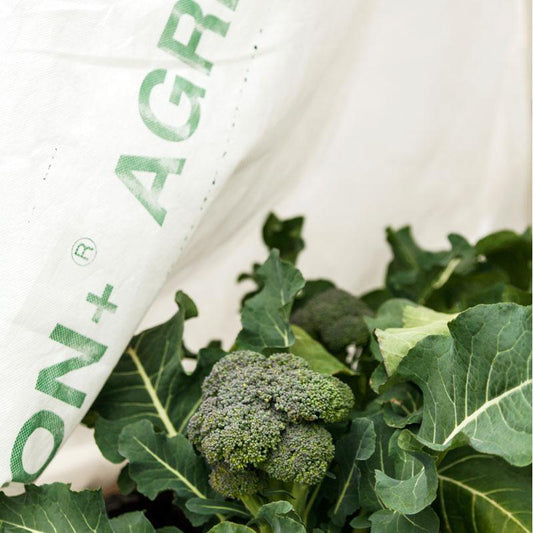
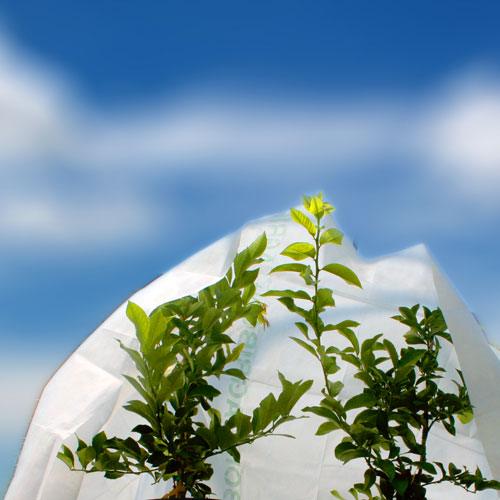
Mountain-valley cover check: A low tunnel may reduce exposure or exclude some pests only when it is intact, anchored and appropriate for the crop. Ventilate it, inspect beneath it regularly and remember that trapped heat or humidity can create a different plant-health problem.
For step-by-step help, see How to Do the Best Organic Pest Control with Integrated Pest Management [IPM], Best Flowers to Attract Beneficial Insects to Your Garden and How to Protect Plants from Frost - Low Tunnels. Choose a method only after confirming that it fits your soil, weather, crop stage and available seasonal window.
Continue the regional cycle
Continue planning for this region with winter guidance, spring guidance, and summer guidance.
Compare local conditions with Southwest guidance, cold-climate guidance, and Oregon guidance. Use only advice that fits local soil, exposure, forecast, water and crop response.
Choose a collection only after the decision
When the observation and action sequence identify a real need, compare Organic Pest Control, Beneficial Insects and Organic Disease Control. Compare products within the collection, then verify live availability, instructions, destination eligibility and fit for the measured site. If the bed needs observation, rest or a cultural correction, address that first.
Record results and next steps
Log host, symptom, identification, counts, beneficials, threshold, action, label record and follow-up count. Photographs from repeatable positions make delayed injury or improvement easier to judge. Keep cultivar, label, and locally regulated decisions open until the current source and site conditions are confirmed.
Qualify frost and hardiness
Short and variable frost-free windows, late snow and early hard freezes are common; valleys can be colder than slopes. USDA zones describe minimum-temperature risk but not season length, hail or warm-season maturity. Use local forecasts and site records for operational timing. Treat USDA hardiness information as average extreme-minimum context, not a sowing date, first-frost promise or proof that a cultivar will establish. Reopen intervention only after identification, threshold and label gates pass. Decide in advance what result would justify continuing, revising or stopping.
Read heat and humidity together
High UV, low humidity, strong wind and large day-night temperature ranges; lower valleys can be hot while high elevations retain cold nights. Compare daytime exposure with overnight recovery and airflow. A practice that reduces radiation can also change ventilation, pollination or disease conditions, so observe the protected and unprotected response before scaling.