Russet Burbank Potatoes: The Truth About Pesticides, Diseases, and Misconceptions Explained
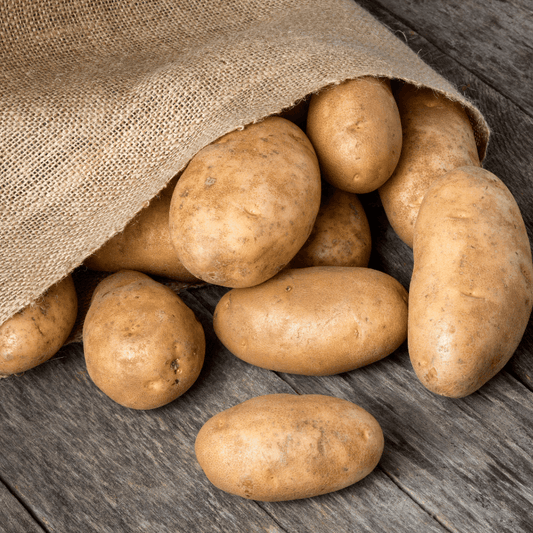
Russet Burbank is one of the most famous potato varieties grown in the United States. It is the classic baking potato found in many grocery stores and is often used to make fast-food fries, including those served by McDonald’s. Because it is widely grown, gardeners often compare it with newer cultivars like Ranger Russet, which was developed for improved yield and disease resistance.
All cultivated potatoes ultimately trace their origins to domestication in South America, where the crop was first grown thousands of years ago. Today, after harvest, potatoes are often cured and stored in atmosphere controlled sheds to maintain quality and extend shelf life before they reach markets.
Because Russet Burbank is so common, many gardeners have questions about diseases, pesticide use, genetically modified potatoes, and food safety. If you’ve ever wondered whether a Russet Burbank potato is safe to eat or how it compares to other cultivars, this guide explains the facts in simple terms.

What Is a Russet Burbank Potato?
The Russet Burbank potato was developed in the late 1800s and became one of the most important potatoes grown across North America.
Gardeners and farmers like it because it produces large potatoes, stores well, and works well for baking, frying, and many processed foods. Today, it remains one of the most widely grown potato varieties in the United States.
Understanding Net Necrosis
One concern gardeners sometimes encounter is Russet Burbank potato net necrosis. This condition causes dark lines, brown streaks, or black spots inside the potato flesh. The problem may not be visible from the outside, which can make it surprising when the potato is cut open.
You may also see this issue referred to as Russet Burbank potato necrosis or Russet Burbank potatoes necrosis in gardening articles and university research publications. Because several disorders can discolor tuber flesh, confirm the likely cause before drawing conclusions about quality or use.
What Causes Net Necrosis?
Net necrosis in susceptible cultivars such as Russet Burbank is classically associated with Potato leafroll virus (PLRV). PLRV is transmitted persistently by colonizing aphids, especially green peach aphid and potato aphid; “Russet Burbank potato aphid” is not the name of a distinct pest.
When infected aphids feed on potato plants, they can transfer the virus from one plant to another. As the potatoes develop underground, dark net-like patterns may form inside the flesh.
Can You Eat Potatoes With Net Necrosis?
Net necrosis is primarily a quality defect, but internal discoloration can have several causes and cannot always be diagnosed visually. Discard tubers that are decayed, soft, leaking, foul-smelling, extensively green, bitter, or otherwise questionable.
However, potatoes that are soft, rotting, moldy, or have an unpleasant smell should always be discarded.

Are Russet Burbank Potatoes GMO?
“Russet Burbank” describes a cultivar, not a universal production method. Conventional and genetically engineered commercial potatoes both exist, so claims should be tied to the specific product and supplier. Under USDA organic standards, certified organic seed potatoes are not produced using excluded genetic-engineering methods.
Are Russet Burbank Potatoes Grown With Pesticides?
Another common question is whether Russet Burbank potatoes pesticides are widely used in commercial production.
Like many agricultural crops, potatoes may be treated with pesticides to manage insects, diseases, and weeds. Whether pesticides are used depends on the farm, growing conditions, and production methods.
You may also hear terms such as Russet Burbank potato pesticide or questions like are Russet Burbank potatoes grown with pesticides. In commercial agriculture, pesticide use is regulated by agencies such as the Environmental Protection Agency, which sets rules for application rates and safety standards.
Some pesticide labels include a restricted entry interval, which tells workers how long they must wait before entering treated areas.
Home gardeners can reduce pesticide use by following good gardening practices, rotating crops, using healthy seed potatoes, and monitoring for pests.

Are Russet Burbank Potatoes Toxic?
Some online articles raise concerns about whether a Russet Burbank potato toxic issue exists.
In reality, healthy potatoes are safe foods that millions of people eat potatoes every day. The same is true when people ask whether Russet Burbank potatoes toxic concerns are common.
Like other potato cultivars, light-exposed, stressed, or heavily sprouted tubers may accumulate glycoalkaloids. Discard potatoes that are extensively green, bitter, damaged, decayed, or heavily sprouted rather than treating small serving size as the safety control.
Common Diseases and Pests
Several problems can affect potatoes during the growing season.
Common issues include:
- Aphids that spread plant viruses
- Potato blight
- Colorado potato beetles
- Net necrosis linked to Potato Leafroll Virus
Helpful resources from Grow Organic include Potato Leaves Turning Yellow: Common Causes and Solutions and Potato Blight: How Gardeners Can Stop It Before Spread.
Featured Product
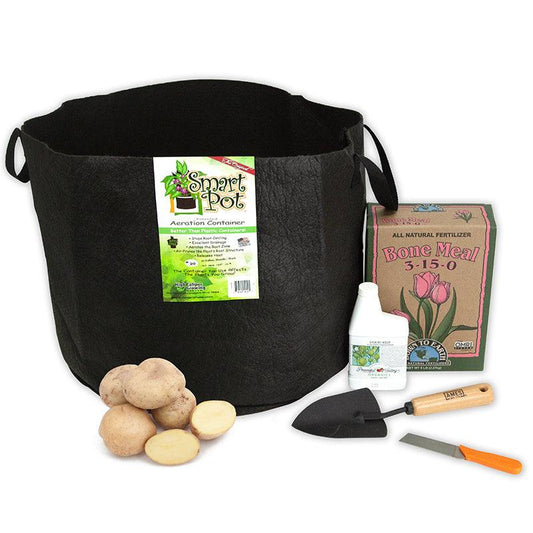
If you would like to grow your own potatoes, consider:
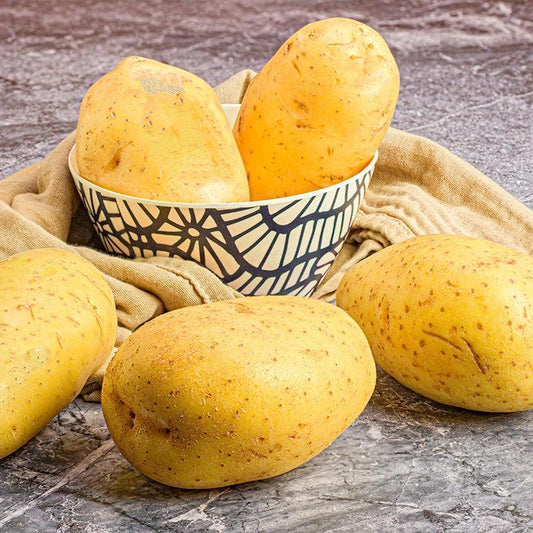
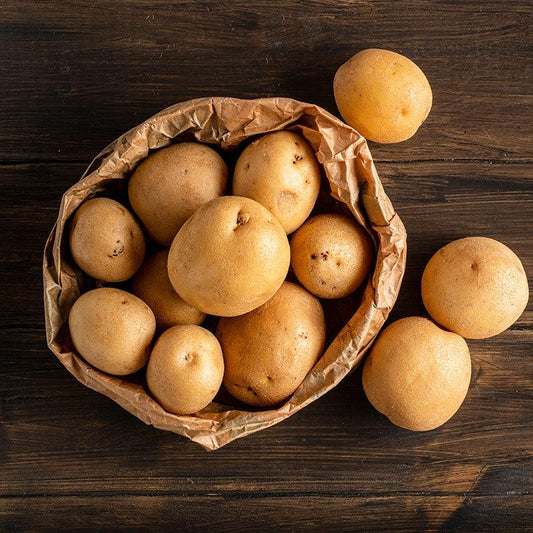
- Organic Burbank Russet Seed Potato (lb), a classic variety known for large harvests, excellent storage, and dependable performance.
You can also browse Grow Organic's collection of Seed Potatoes for additional varieties.
Conclusion
Russet Burbank remains one of the most popular potatoes grown in North America. While topics such as net necrosis, pesticides, and GMO potatoes can sound concerning, understanding the facts helps gardeners make informed decisions.
Most home gardeners grow traditional, non-GMO potatoes, and common issues such as aphids, diseases, and storage problems can often be managed with good gardening practices. With proper care, this classic potato variety continues to be a reliable choice for home gardens and farms alike.
FAQs About Russet Burbank Potato Pests & Diseases
What are some common Russet Burbank potato diseases and pests?
What causes net necrosis in Russet Burbank potatoes?
Can you safely eat potatoes with net necrosis?
How can I prevent potato leafroll virus in my garden?
Are Russet Burbank potatoes more susceptible to net necrosis than other potato varieties?
What insects spread Potato Leafroll Virus?
Can infected seed potatoes spread net necrosis to future crops?
Is there a treatment for potato net necrosis once plants are infected?
How do you identify Potato Leafroll Virus before harvest?
Can aphids spread other potato diseases besides Potato Leafroll Virus?
Does crop rotation help prevent potato viruses?
Why should I plant certified seed potatoes?
What other potato diseases can be confused with net necrosis?
Related guidance: Use the yellow-leaf diagnostic guide to compare symptoms, the potato blight guide for early- versus late-blight details, or the complete growing guide for preventive cultural care. Browse certified seed potatoes.
More Russet Burbank Guidance
- Grow Russet Burbank from planting through harvest
- Compare Russet Burbank with other russet potatoes
- Shop Organic Burbank Russet Seed Potato (SP240)
Related Pest Control Resources
Content role: Supplementary · Topic: Plant disease diagnosis & management
- Plant Disease Diagnosis & Organic Management
- Pest Control Solution Chart
- Browse Organic Disease Control products
Identify the pest or problem first. For pesticides, repellents, traps, and biological controls, confirm that the current label or directions cover the target site and pest. Follow all directions and precautions.