Potato Leaves Turning Yellow: Common Causes, Quick Solutions, and Prevention Tips
Healthy potato plants should have strong green leaves for most of the growing season. So if you notice potato leaves turning yellow, it is natural to wonder if something is wrong.
The good news is that yellow leaves do not always mean trouble. Sometimes it is part of the plant's normal life cycle. In other cases, yellow leaves can point to watering problems, low nutrients, pests, or disease.
This guide explains the most common reasons for potato plants turning yellow, how to identify the cause, and what you can do to keep your harvest on track.

Is It Normal for Potato Leaves to Turn Yellow?
Sometimes, yes.
As potatoes get closer to harvest, older leaves begin to die back. The plant shifts its energy into growing tubers underground. During this stage, it is normal for potato leaves turn yellow.
You may notice:
- Lower leaves turning yellow first
- Slower growth
- Fewer new leaves
- Stems starting to dry
If your plants are nearing harvest, some yellowing is expected.
However, if potato plant leaves turning yellow happens early in the season, you should look for other causes.
Common Reasons Potato Leaves Turn Yellow
Too Much Water
Excess water or poor drainage is one possible cause of early yellowing, but drought stress and root disease can look similar.
Potatoes need consistent moisture, but they do not tolerate soggy soil. If the ground stays wet for too long, the roots struggle to get enough oxygen.
Signs of overwatering include:
- Soil staying wet for several days
- Drooping or limp plants
- Slow or stunted growth
- Pale or yellowing leaves
If you notice your potato plant turning yellow, always check soil moisture before adding more water.
Low Nutrients
Potatoes need a steady supply of nutrients to support healthy foliage and tuber development.
Nitrogen deficiency can cause older leaves to pale first, but similar symptoms may result from root damage, saturated soil, wilt disease, or normal senescence. Review fertilizer history and use a soil or tissue test when practical before adding nutrients.
This is often what gardeners are dealing with when they ask why is my potato plant turning yellow, especially when the yellowing begins on older leaves and gradually moves upward.
Disease Problems
Some diseases can also cause why are my potato plant leaves turning yellow symptoms along with brown or dark spotting.
Early blight and late blight are among the most common potato diseases affecting foliage. Infected plants may show:
- Brown or dark spots
- Yellowing around lesions
- Wilting or dying leaves
- Overall weak growth
If yellowing appears with brown or olive lesions, wilt, stem discoloration, or rapid collapse, do not assume the cause from color alone. Photograph the whole plant and both leaf surfaces, isolate questionable tubers, and seek diagnosis from a local Extension office or plant clinic. Late blight warrants prompt action.
Pest Damage
In some cases, pest activity explains why are my potato leaves turning yellow, especially when insects are feeding on plant sap.
Aphids, flea beetles, and leafhoppers can weaken plants over time, leading to yellowing, curling, or distorted leaves.
Check both the top and underside of leaves weekly during the growing season to catch infestations early.

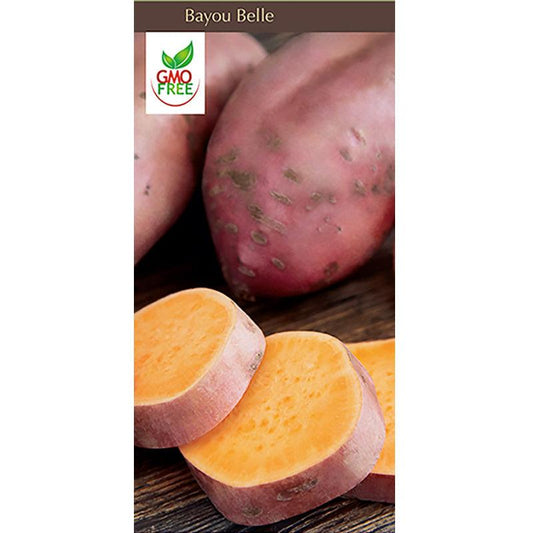
Sweet Potatoes Are a Different Crop
Sweet potatoes (Ipomoea batatas) are not potatoes (Solanum tuberosum) and have different pests, diseases, and cultural needs. Do not use this potato diagnostic as a substitute for sweet-potato-specific guidance.
Yellow vines may result from:
- Too much water
- Low nutrients
- Root stress
- Natural aging
Good drainage helps prevent many of these problems.
Quick Solutions for Yellow Potato Leaves
If you see leaves on potato plant turning yellow, start with a few simple checks.
Check Soil Moisture
Push your finger into the soil. If it feels wet several inches down, wait before watering again.
Look for Spots
If yellow leaves also have spots, disease may be involved. Avoid working among wet plants, sanitize tools after contact, and confirm the likely disease before deciding whether selective leaf removal or whole-plant disposal is appropriate. Do not compost seriously diseased material unless your composting process is known to destroy that pathogen.
Feed If Needed
If plants look pale and weak, a soil test can help determine whether nutrients are low.
Look for Pests
Inspect leaves and stems carefully. Finding insects early makes them much easier to manage.

Start with Healthy Seed Potatoes
Strong plants start with quality planting stock.
Grow Organic offers a large selection of certified organic seed potatoes for home gardens.
A few good options include:
- Organic Lamoka Seed Potato, known for strong disease resistance.
- Organic Yukon Gold Seed Potato, a favorite among home gardeners.
- Organic Kennebec White Seed Potato, known for dependable harvests.
- Organic German Butterball Seed Potato, prized for flavor and storage quality.
- Organic Rainbow Mix Seed Potato, perfect for gardeners who enjoy variety.
Starting with healthy seed helps reduce future problems.
Resources & Further Reading
Want to learn more about growing healthy potato plants and solving common garden problems? These helpful guides provide expert advice on potato care, disease prevention, companion planting, and maximizing your harvest:
- Potato Growing Guide – Explore comprehensive instructions for planting, watering, fertilizing, hilling, and harvesting potatoes successfully throughout the growing season.
- Tips for Growing Potatoes in Your Home Garden – Discover practical techniques for producing vigorous plants and high-quality potato harvests in home gardens and raised beds.
- Potato Blight: How Gardeners Can Stop It Before It Spreads – Learn how to identify early and late blight, reduce disease pressure, and protect your potato crop from serious damage.
- Potato Companion Plants: Best Garden Pairings for Growth – Find out which companion plants can help improve garden health, attract beneficial insects, and support stronger potato growth.
- Potato Flower: Top Reasons You Have No Potatoes Yet – Understand how flowering relates to tuber development and learn why potato plants may not be producing the harvest you expect.
- Tomato Plant Leaves Turning Yellow: Non-Disease Causes – Learn about common environmental and cultural factors that can cause yellowing tomato foliage and how to correct them.
- Why Are My Cucumbers Yellow? Reasons & Solutions Explained – Discover why cucumber plants and fruits may turn yellow and how to address the underlying causes.
- Green Bean Leaves Turning Yellow: Reasons & Easy Solutions – Explore common causes of yellowing bean leaves and practical steps to restore healthy plant growth.
These resources can help you identify common plant health issues, improve growing conditions, and enjoy more productive harvests throughout your vegetable garden.
Conclusion
Seeing potatoes leaves turning yellow can be worrying, but it does not always mean your crop is failing.
Natural aging, overwatering, nutrient shortages, pests, and disease can all cause leaves to lose their green color.
If my potato plants are turning yellow, start by checking soil moisture, looking for spots, and inspecting the plant for pests. A few simple checks can often reveal the cause.
The sooner you identify the problem, the easier it is to protect your harvest.
FAQs About Potato Leaves Turning Yellow
What to do when potato leaves turn yellow?
What do overwatered potatoes look like?
Should I cut off yellow leaves?
Is it okay to eat a yellow potato?
What to do when potato plants turn yellow?
Why are my potato plants turning yellow with no flowers?
Why are the bottom leaves of my potato plant turning yellow?
Diagnostic Sequence
- Decide whether the plant is naturally nearing maturity.
- Check moisture several inches below the surface and confirm drainage.
- Note whether yellowing starts on lower leaves, one stem, or the whole plant.
- Inspect both leaf surfaces, stems, and nearby plants for lesions, insects, webbing, or distortion.
- Review fertilizer applications and recent heat, cold, or heavy rain.
- Seek local diagnosis before applying fertilizer, fungicide, or insecticide when symptoms remain unclear.
Check the Tubers Too
Leaf symptoms do not always explain damage found at harvest. Use What’s Wrong With My Potatoes? Tuber Problems by Symptom for scab, holes, cracks, hollow heart, greening, rot, black scurf, and internal discoloration.
Continue Diagnosing the Crop
Use the Potato Troubleshooting Hub when yellow foliage is accompanied by damaged, discolored, cracked, hollow, green, or decaying tubers.
Related Pest Control Resources
Content role: Supplementary · Topic: IPM & general pest control
- What is Integrated Pest Management (IPM)?
- Pest Control Solution Chart
- Browse Insect Control products
Identify the pest or problem first. For pesticides, repellents, traps, and biological controls, confirm that the current label or directions cover the target site and pest. Follow all directions and precautions.