Rutabaga vs Turnip and Other Garden Vegetables: How to Tell Rutabagas, Radishes, Parsnips, Beets & Other Root Vegetables Apart
Turnips, rutabagas, radishes, parsnips, and beets may grow underground, but they are not the same plant. Each root veggie has a different shape, color, flavor, and harvest time.
Understanding rutabaga vs turnip and other common comparisons helps you choose the right crop for your garden and kitchen. It also prevents surprises when a recipe calls for a mild turnip but you bring home a dense rutabaga.

Rutabaga vs Turnip: What Is the Difference?
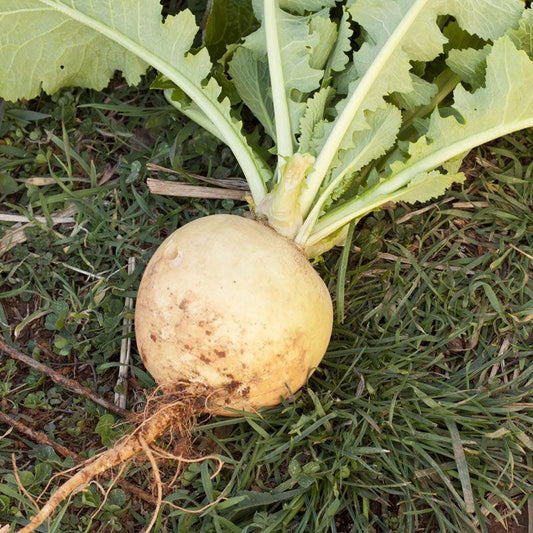
Are rutabagas and turnips the same thing? The main difference between turnip and rutabaga is their species, size, and flesh color. Turnips are Brassica rapa. Rutabagas are Brassica napus and likely developed from a cross between turnips and cabbage. Both belong to the cabbage family.
For an easy turnip vs rutabaga comparison, look inside:
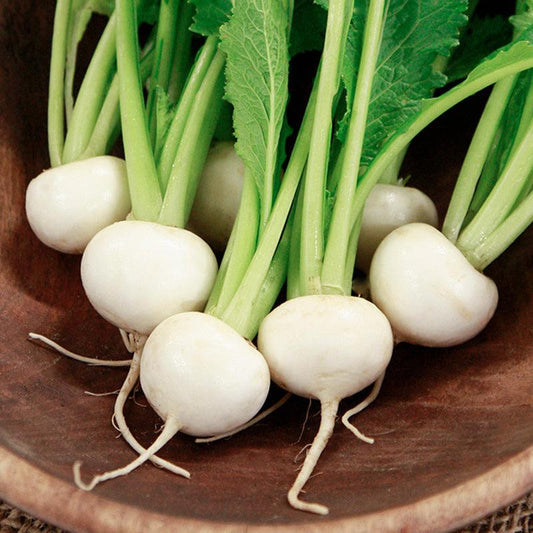
- A young white turnip usually has smooth white skin and crisp white flesh.
- A rutabaga is usually larger, denser, and has cream or yellow flesh.
- Turnips often have a light peppery flavor.
- Rutabagas taste earthier and slightly sweeter.
So, are turnips and rutabagas the same thing? No. Although they are closely related root vegetables in the Brassica family, turnips and rutabagas are distinct crops with different characteristics.
The terms yellow turnip vs white turnip, white turnip vs yellow turnip, and yellow turnip vs rutabaga can cause confusion. In some regions, people call rutabagas “yellow turnips.” A true white turnip vs rutabaga comparison should focus on the root’s size, density, and flesh color.
Turnip vs Radish
In a turnip vs radish comparison, both crops belong to the mustard or cabbage family. However, radishes usually mature faster and often have a sharper bite. Turnips tend to develop larger roots with a milder flavor when harvested young.
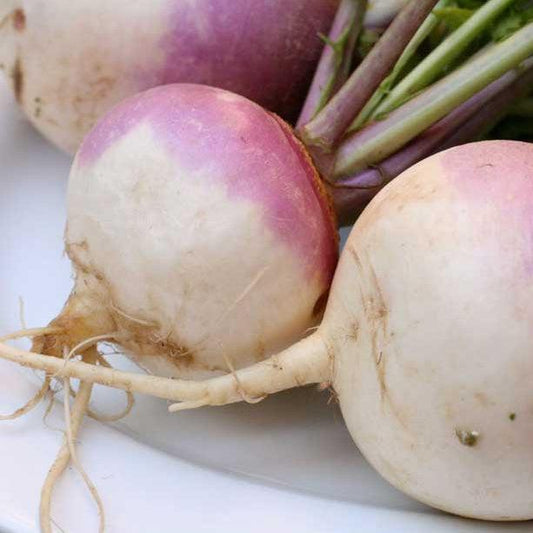
The same applies when comparing radish vs turnip. Radishes may be red, white, purple, or black. Turnips are commonly white with green or purple shoulders. Both can be eaten raw, but larger turnips are often cooked.
Turnip vs Parsnip
A parsnip vs turnip comparison is easy once you examine the shape. Parsnips are long and tapered like pale carrots. Turnips are usually round or slightly flattened.
For turnip vs parsnip, turnips have a light, sometimes peppery taste. Parsnips become sweet and nutty when cooked. The terms turnips vs parsnips and parsnips vs turnips describe two crops from different plant families. Parsnips belong to the parsley family, while turnips are brassicas.
In a wider rutabaga vs turnip vs parsnip comparison, rutabagas are dense and yellow, turnips are round and mild, and parsnips are long and sweet.

Beets vs Turnips
With beets vs turnips, color is the quickest clue. Beets often have red, gold, white, or striped flesh. Turnips are usually white inside, although golden varieties exist. Beets also have a sweeter, earthier flavor.
A beet is another edible root vegetable similar to turnip, but it belongs to a different plant family. Both roots and leaves are edible.
Turnip Greens vs Other Greens
The comparison turnip greens vs collard greens is about leaves rather than roots. Turnip leaves are often thinner and more peppery. Collards have larger, smoother, thicker leaves.
For turnip vs collard greens, remember that a turnip produces an edible root and leafy top, while collards are grown mainly for leaves. The phrases collards vs turnip greens and collard greens vs turnip greens describe differences in texture and flavor.
Mustard greens vs turnip greens is a closer comparison. Both can taste sharp, but mustard greens usually have a stronger mustard-like bite.
Cooking Turnips and Other Roots
Before cooking turnips, scrub small roots well. Use a vegetable peeler on older roots with tougher skin. Turnips can be roasted with olive oil, added to soup, or mashed as a lighter side dish.
Rutabagas also mash well and may be blended with mashed potatoes. Parsnips and sweet potatoes are sweeter choices for roasting.

Turnip Varieties from Grow Organic
Explore Grow Organic's turnip seed collection when planning a cool-season garden.
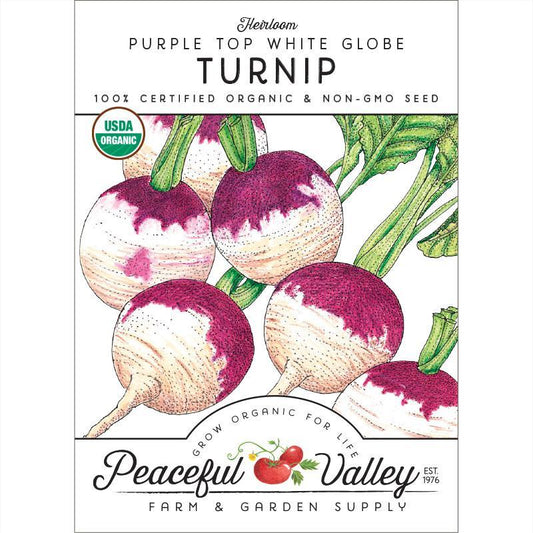
- Purple Top White Globe Turnip Seeds produce round roots with crisp white flesh and mild sweetness.
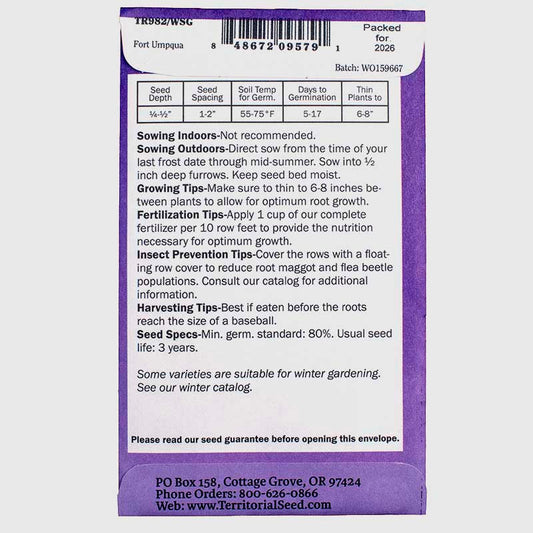
- Fort Umpqua Turnip Seeds produce mild roots and tender greens for spring and fall gardens.
- Tokyo Market Turnip Seeds offer mild, sweet roots suited to salads and cooking.
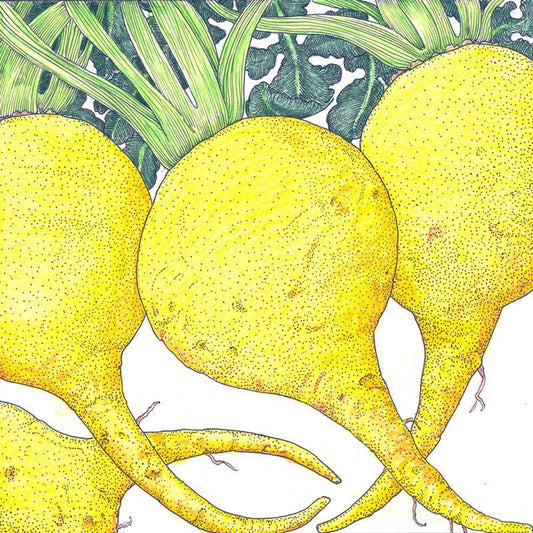
- Organic Golden Globe Turnip has tender golden-yellow flesh and good keeping quality
Read about adding cool-season vegetables to your garden, then use the November Gardening Checklist to plan seasonal tasks.
Conclusion
While root vegetables often share a similar appearance underground, their unique shapes, flesh colors, and flavors set them apart. Turnips offer a crisp, mild bite, while rutabagas bring a larger, sweeter, and denser profile.
Combined with the sharp kick of radishes, the earthy sweetness of parsnips, and the vibrant color of beets, understanding these differences ensures you pick the perfect vegetable for both your garden and your plate.
Which root vegetable do you plan to plant or cook with next?