Successful bare root planting requires only a few essentials. Add protective products when your site has a specific risk, and avoid buying amendments or supports that the tree does not need. Follow the complete bare root tree planting guide as you work.
Shop current bare root trees, then use this checklist to prepare the appropriate supplies before they arrive.
Essential Planting Supplies
- Digging tools: A shovel plus a hand cultivator or trowel for roughening glazed soil and arranging roots.
- Clean pruning shears: Use sharp, sanitized blades to remove broken or dead root portions.
- Water: Keep the roots moist during preparation and water thoroughly after backfilling.
- Mulch: Cover the surrounding root zone after planting, while keeping mulch several inches away from the trunk.
Use a Gopher Basket Where Gophers Are Active
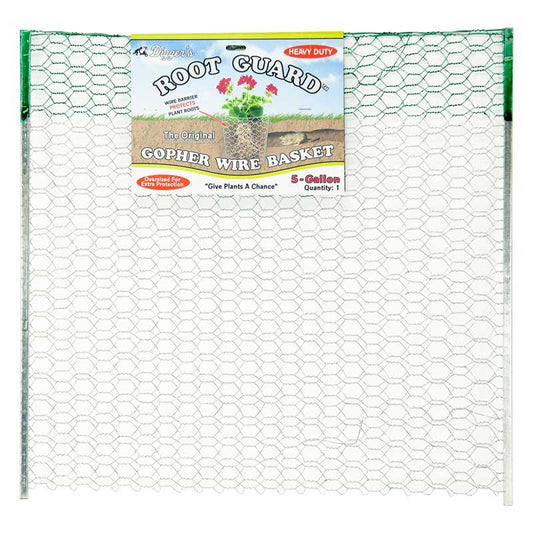
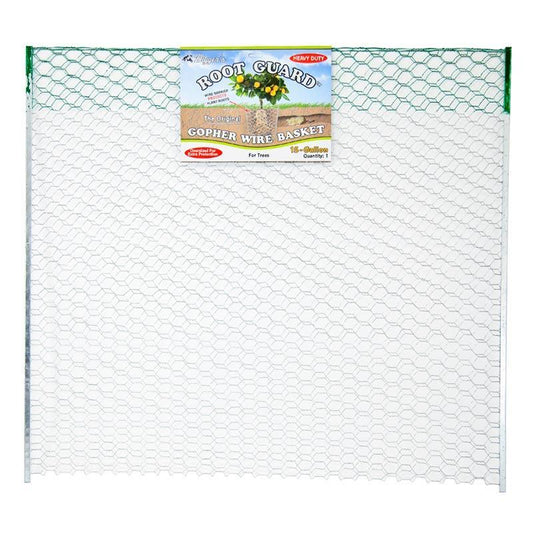
A young tree can be highly vulnerable to root damage. Where gopher pressure is known, place an appropriately sized basket in the planting hole before positioning the tree. The in-stock Root Guard 15-Gallon Gopher Basket provides a durable barrier while roots establish.
Add Trunk Protection When Conditions Require It
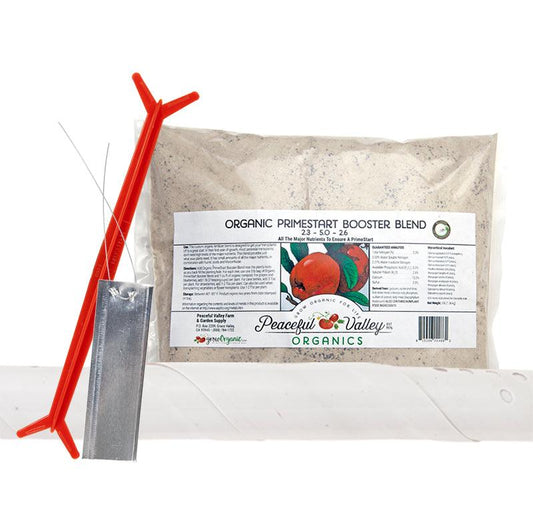
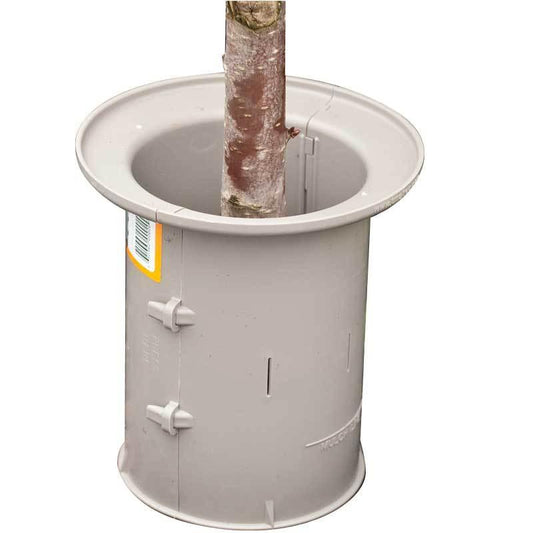
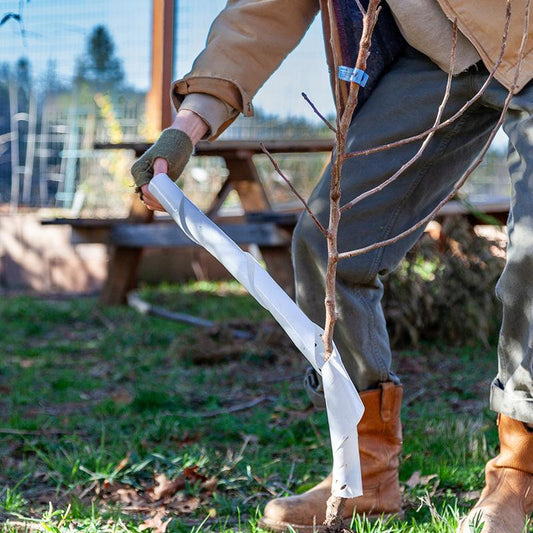
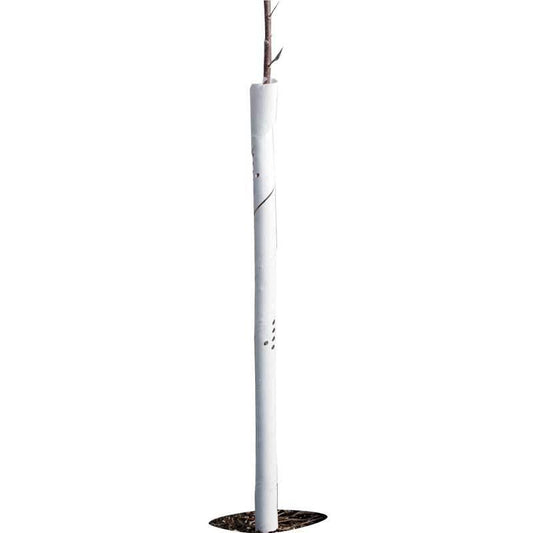
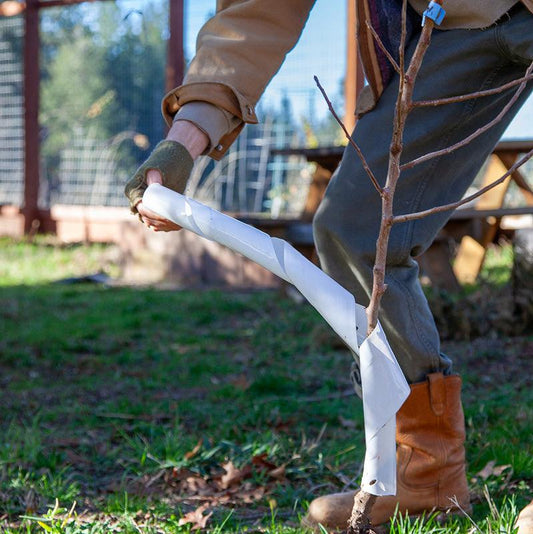
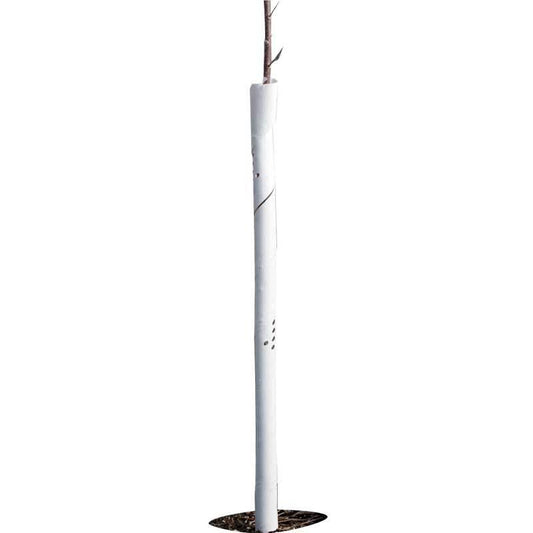
Young trunks may need protection from rodents, rabbits, equipment damage, or sun exposure. Choose a guard that fits loosely enough to avoid trapping moisture or constricting the growing trunk. Our 24-inch spiral tree guards and 36-inch spiral tree guards are currently available.
Stake Only When the Tree Needs Support
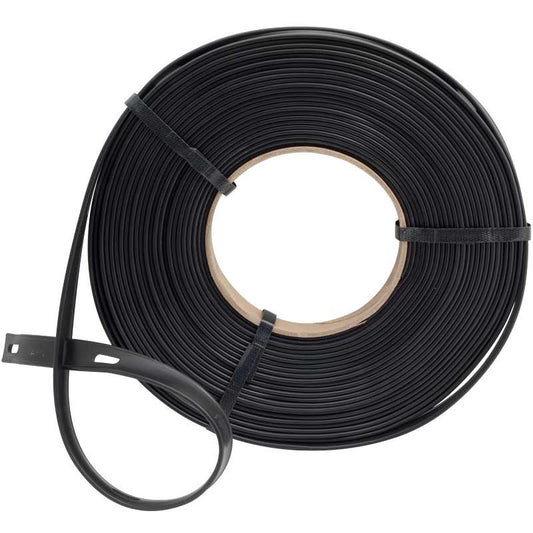
Many correctly planted trees do not require staking. Use support on windy or unstable sites, allowing the trunk some natural movement. Broad, flexible material such as Flex Strap tree ties helps reduce trunk damage compared with narrow wire or cord. Inspect and remove ties as soon as support is no longer needed.
Amendments Are Site-Specific
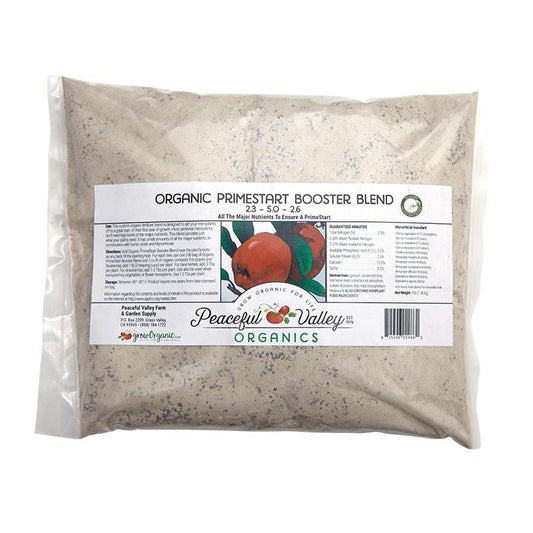
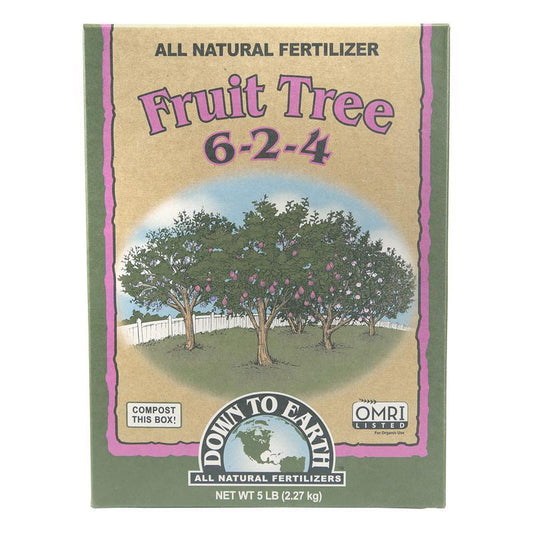
Avoid filling the hole with rich compost or high-nitrogen fertilizer. Test the soil where appropriate and correct demonstrated limitations gradually. Browse soil-testing options and soil-health amendments, then follow product labels and the needs of the specific tree.
Usually Unnecessary at Planting
- High rates of nitrogen fertilizer
- A small pocket of heavily amended soil
- Pruning-wound paint or sealer
- Rigid staking when the tree is already stable
- Mulch piled against the trunk
Continue Planting
Use the planting-day checklist, then follow the first 30 days of care. Visit Fruit Tree Central for the complete orchard library.