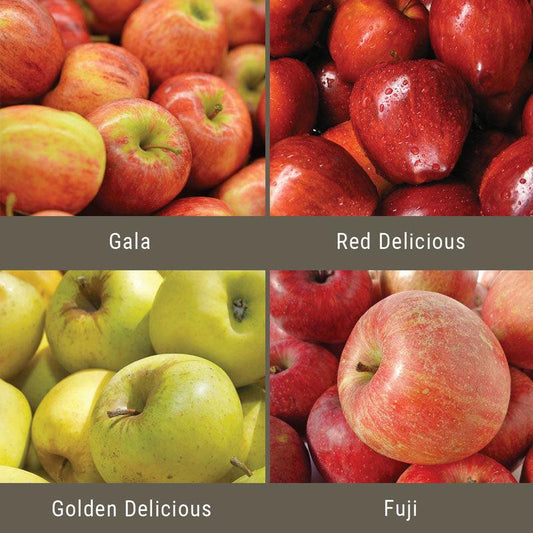
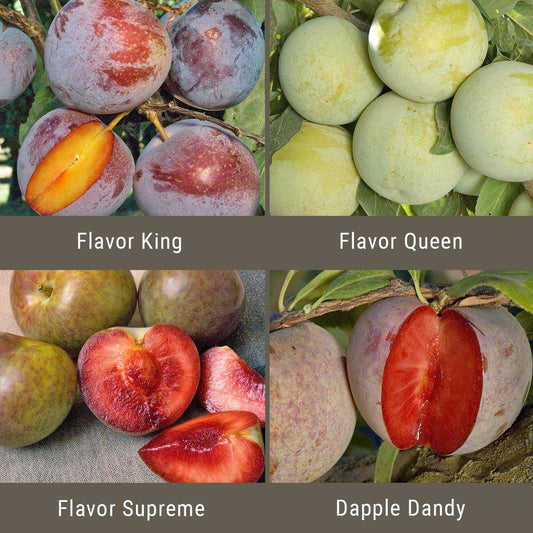
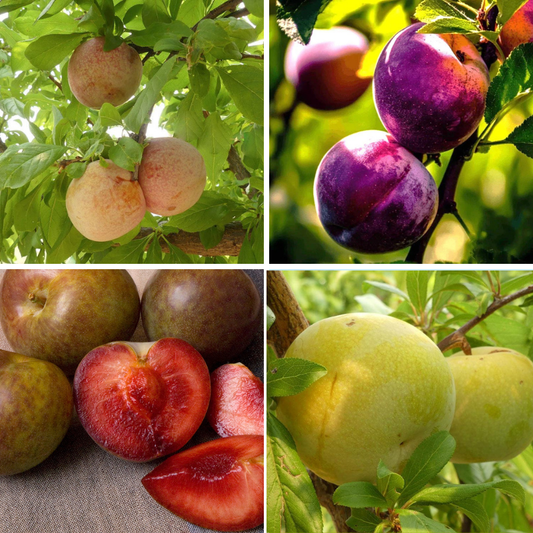
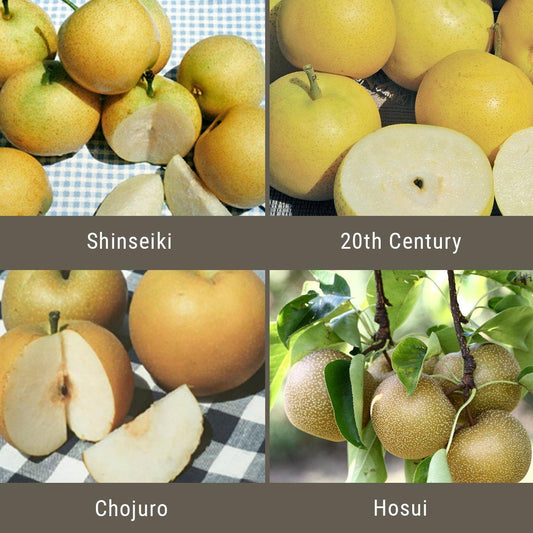
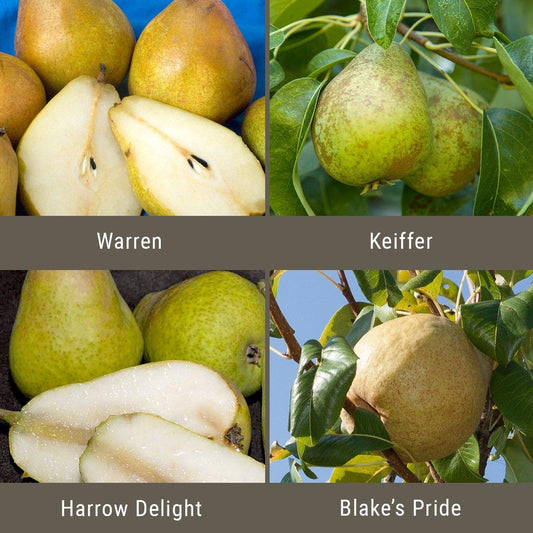
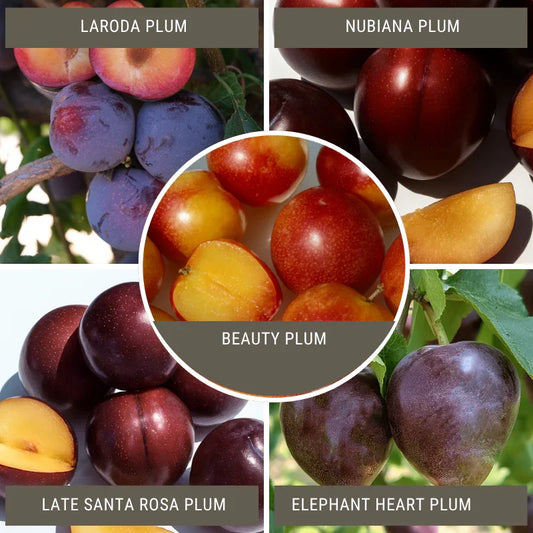
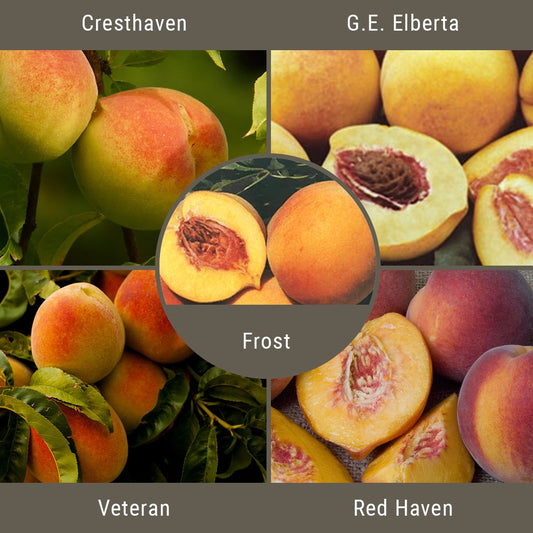
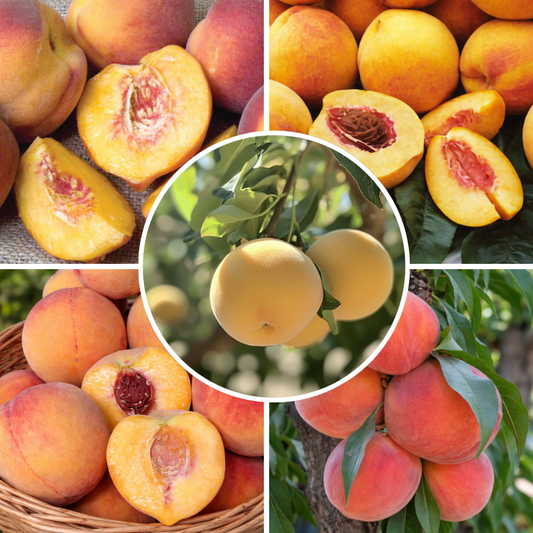
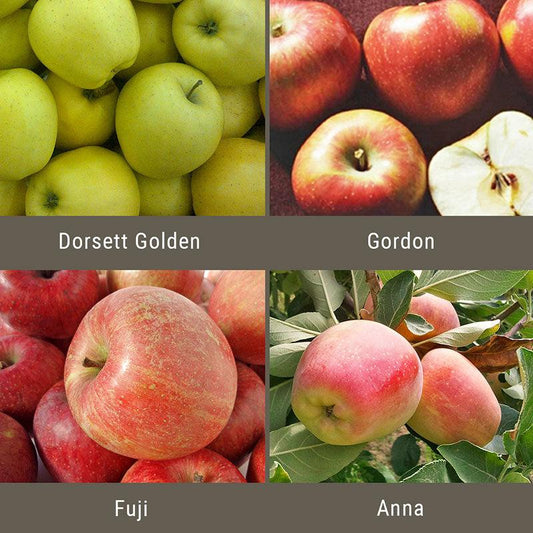
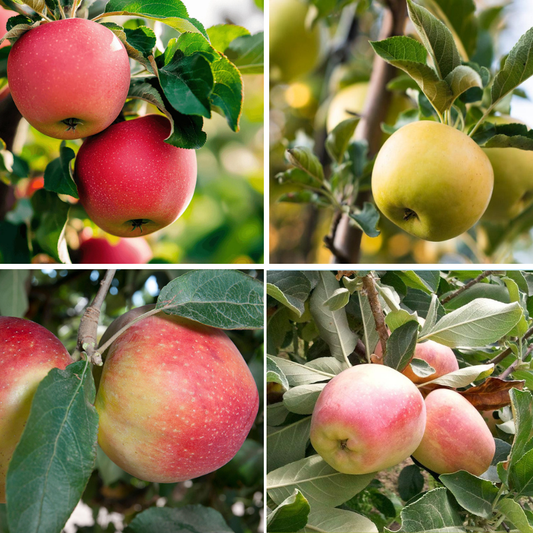
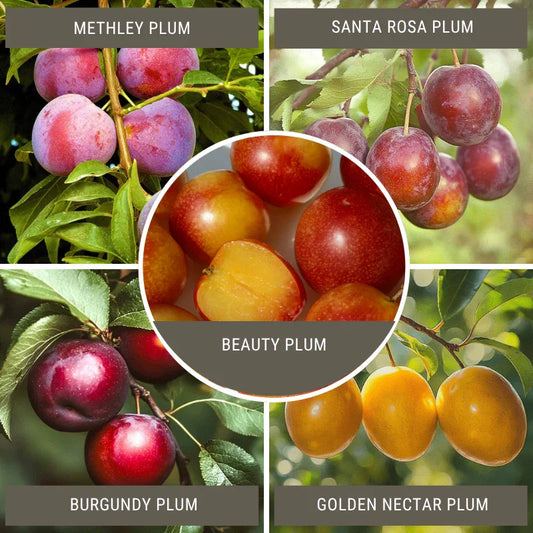
Multi-grafted fruit trees offer exciting versatility, allowing gardeners to grow several varieties on a single root system. They save space, extend harvest windows, and create unique backyard orchard displays. However, because multiple varieties share the same tree, multi-graft tree problems can arise when growth habits, bloom times, or nutrient demands do not match perfectly. Understanding the most common issues helps gardeners maintain fruit tree health, encourage balanced growth, and keep every graft productive over time.
This guide focuses on the problems gardeners are most likely to encounter and provides practical, sustainable solutions. By learning how to address branch dieback, graft union issues, bloom timing conflicts, and fruit drop, you can restore balance to your multi-grafted tree and preserve all the varieties you enjoy. Many of the combinations discussed here are available in our multi-graft fruit tree collection. You can also refer to our rootstock comparison chart when evaluating graft compatibility and vigor.
Branch Failure Causes
Branch failure is one of the most visible challenges in multi-grafted trees. It often presents as sudden dieback, slow weakening over several weeks, or the development of brittle wood that no longer supports healthy growth.
Several conditions can lead to branch dieback. In some cases, a graft that is never fully bonded at the cambium layer will appear healthy for a year or two before failing under environmental stress. Poor cambium contact at the time of grafting is a common cause. Weather extremes, such as deep cold followed by warm spells, can also cause damage at graft points, especially in stone fruits.
Disease
Disease is another frequent source of branch weakness. Fungal pathogens, bacterial cankers, and borers sometimes target stressed grafted limbs more readily than stronger branches. Maintaining organic orchard sanitation practices, such as removing fallen debris, pruning dead or infected wood, and encouraging airflow, greatly reduces disease pressure.
Environmental Stress
Environmental stress also plays a role. If one variety demands more water or nutrients, the tree may redirect energy to other grafts, leaving weaker limbs undernourished. This imbalance can eventually lead to failure if not identified early.
However, most multi-graft trees purchased from nurseries have been created with varieties that are compatible in terms of water, soil, and sun requirements to minimize these types of environmental stress.
Routine inspection is key. Early identification allows gardeners to perform graft failure repair by re-grafting a fresh piece of scion wood or training a nearby branch to replace the failing graft.
Uneven Graft Vigor
Uneven vigor is one of the most common multi-graft tree problems. When one grafted branch grows more vigorously than the others, it can monopolize sunlight, nutrients, and water. Left unmanaged, the dominant branch becomes stronger while weaker varieties decline.
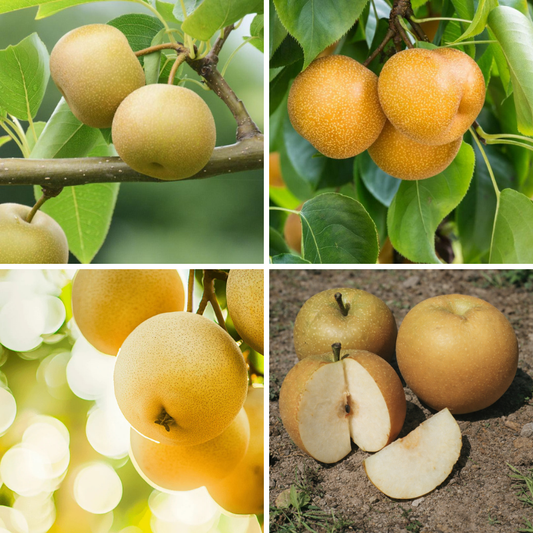
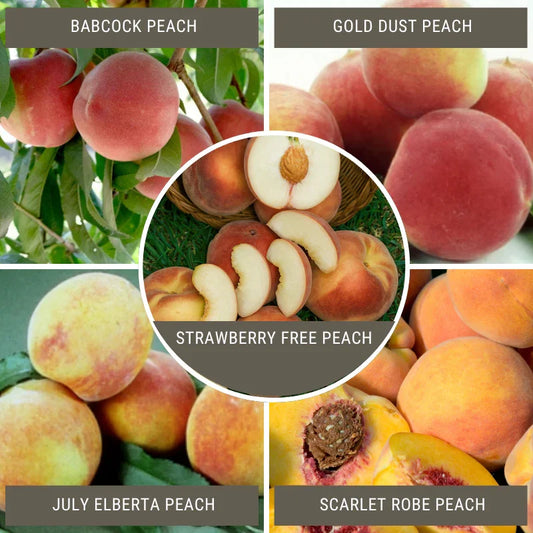
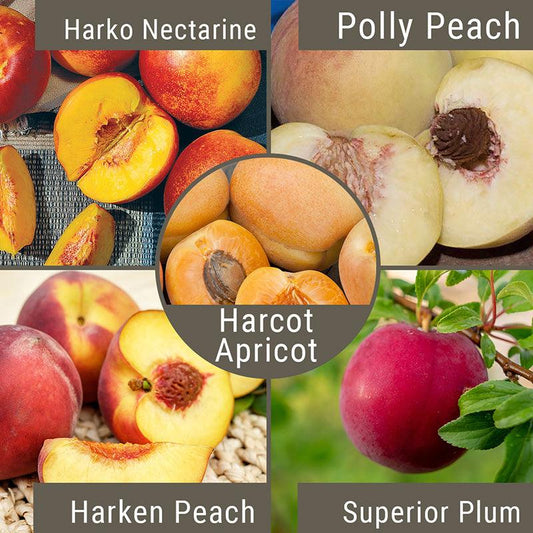
Apples and pears frequently display mismatched growth habits. For example, a vigorous early-season apple variety may quickly overshadow a slow-growing heritage variety. In stone fruits, nectarines and peaches sometimes outpace apricots. Choosing varieties with similar vigor is important, but so is planting the multi-graft tree with proper orientation so that weaker grafts face the strongest sun exposure. For guidance on correct planting direction and graft alignment, see our guide on planting and caring for multi-graft trees.
Uneven growth can be corrected with strategic multi-graft pruning. Gardeners should reduce the length of dominant branches during the dormant season to redirect energy toward slower-growing varieties. Summer pruning can also help control overgrowth by reducing photosynthetic capacity in overly vigorous limbs.
Mulching and soil building practices contribute to more even energy distribution. Trees that have consistent moisture, balanced nutrients, and healthy soil biology are better able to support all grafts. Using compost and organic matter, rather than synthetic fertilizers, promotes long-term stability in the tree’s root system.
Another technique is branch training. Adjusting the angle of a vigorous branch to a more horizontal position reduces its dominance. At the same time, lifting weaker branches to a more upright angle increases their vigor. These simple adjustments create a more balanced canopy and improve fruit tree health.
Bloom Overlap Issues
A successful fruit set depends on bloom overlap between compatible varieties. When grafted branches bloom at different times, the tree may experience minimal or no fruit set on certain limbs. This is especially common in apples, pears, and stone fruits where bloom timing varies significantly among varieties.
If pollinators are active only during one variety’s bloom or if varieties have incompatible pollen, the result will be little to no fruit on some grafts. Bloom timing misalignment can create significant fruit tree troubleshooting challenges for multi-graft trees with more than three varieties.
Weather
Weather also influences bloom timing. A warm spring may push early bloomers ahead by several weeks, while a late freeze might delay others. Protecting blossoms with frost cloth during cold snaps and providing consistent irrigation during dry spells helps stabilize bloom times.
Hand pollination can also help. For smaller trees, moving pollen from one variety to another with a soft brush ensures better coverage and fruit set.
Fruit Drop and No Fruit Set
One of the most frustrating multi-graft tree problems is no fruit set or premature fruit drop. Even when blossoms appear healthy and pollinated, fruit may fail to develop or drop shortly after forming.
Several conditions cause this outcome. Uneven nutrient distribution is a frequent culprit. If one grafted branch receives more vigor, the root system may prioritize supporting it while reducing resources to weaker limbs. This leads to small, underdeveloped fruits that eventually fall.
Lack of bloom overlap, insufficient pollination, or incompatible pollen also contribute to no fruit set. In some fruit types, such as European pears, certain varieties require specific pollinators to develop fruit. Without these matches, blossoms remain sterile.
Environmental stress is another common factor. Sudden temperature fluctuations, heatwaves, or drought conditions can cause developing fruit to drop. Maintaining consistent watering practices, using mulch to retain moisture, and building soil organic matter all support fruit retention.
If a branch repeatedly produces blooms but no fruit, gardeners should examine the graft union. Poorly formed unions sometimes restrict nutrient flow, leading to weak fruit development. In such cases, graft failure repair may be necessary to restore productivity.
Graft Union Repair
Graft union issues lie at the core of many branch weakness and dieback problems. A healthy union should be smooth, fully healed, and free from cracking or swelling. When a union is poorly aligned or damaged, complications arise.
Repairing a failing graft begins with assessing the extent of damage. If the bark is splitting or the cambium is not fully connected, gardeners can reinforce the area with grafting tape or a breathable wrap to stabilize the joint while new callus tissue forms.
In more severe cases, the failing branch may need to be removed and replaced with fresh scion wood. Apple and pear trees often respond well to re-grafting, while stone fruit trees may require more careful handling due to their sensitivity to infection. Maintaining clean tools and using organic-friendly sealants helps protect exposed tissue during healing.
Rescue Pruning Techniques
Rescue pruning plays a vital role in sustaining multi-grafted fruit trees. When one variety becomes dominant or another begins to fail, carefully executed pruning can restore balance and encourage new growth.
Rescue pruning begins with removing all dead, diseased, or damaged wood. This prevents pathogens from spreading and frees the tree to redirect resources. Next, gardeners should shorten overly vigorous limbs to reduce their dominance. This encourages growth in weaker grafts and improves light penetration.
In cases of branch dieback, pruning back to healthy wood stimulates regeneration. When a grafted branch fails completely, another branch can often be trained to fill the space. This prevents awkward gaps in the canopy and maintains a balanced structure.
Summer pruning also supports long-term health by reducing excess growth and preventing stronger varieties from overshadowing weaker ones.
In Summary
Multi-grafted fruit trees offer immense rewards, but they require attentive backyard orchard care to stay healthy and productive. Understanding graft union issues, branch dieback, uneven vigor, bloom timing conflicts, and fruit drop allows gardeners to respond quickly and effectively. With mindful pruning, good variety selection, organic growing practices, and long-term observation, multi-grafted trees can thrive for decades while offering diverse harvests and a unique presence in any landscape.
Frequently Asked Questions
Why did one branch on my multi-grafted tree suddenly die back?
Why is one variety growing much faster than the others?
Why are some blossoms not turning into fruit?
What causes fruit to form and then drop early?
How do I fix a weak or damaged graft union?