Turnip Companion Plants: Companion Planting Tips to Improve Growth, Control Pests, and Increase Yield
Turnips are quick, cool-season vegetables that produce both edible roots and leafy tops. They do not need a complicated garden plan, but thoughtful planting can make better use of space, support helpful insects, and help reduce the risk of attracting pests when combined with good gardening practices.
The best turnip companion plants do not perform magic. Instead, they offer practical benefits. Some flowers provide food for beneficial insects. Low-growing crops cover bare soil. Taller plants may give light shade during warm weather. Other vegetables simply mature at a different rate, allowing both crops to grow without heavy competition.
This guide explains companion planting with turnips, including which plants work well nearby, which ones may create problems, and how to design a healthier garden bed.

Does Companion Planting for Turnips Really Work?
Companion planting for turnips means growing two or more crops close together so they offer a possible mutual benefit. That benefit might include better use of space, improved soil cover, greater plant diversity, or more flowers for pollinators and insect predators.
However, many traditional companion-planting claims have not been tested carefully. There is limited proof that one plant’s scent will always drive away a certain pest. University extension guidance recommends using companion planting as one part of good garden care, not as a replacement for proper spacing, crop rotation, row covers, watering, and pest checks.
The most useful approach to companion planting turnips is to choose plants with different root depths, growth habits, and harvest times. This reduces crowding and helps each turnip plant receive enough light, moisture, and nutrients.
Best Companion Plants for Turnips
Good companions should fit into the bed without shading young seedlings or disturbing the roots at harvest. The following choices are practical starting points.
Peas and Bush Beans
Gardeners often plant peas or beans near root crops because legumes work with soil bacteria to fix nitrogen. However, they do not immediately release large amounts of nitrogen in the soil for neighboring turnips. Much of that nitrogen remains in the legume until roots and plant material break down.
Even so, peas and bush beans can be useful companions because their roots occupy different parts of the soil. Early peas also grow during the same cool part of the year as turnips. Keep climbing types on the north side of the bed so they do not block sunlight.
Lettuce and Other Leafy Crops
Lettuce is one of the good companion plants for turnips because it has shallow roots and can be harvested before turnip roots reach full size. It also helps cover open soil, which may slow moisture loss and reduce weed growth.
Spinach and other compact greens can work in the same way. Leave enough space around each turnip so its leaves can spread and its root can expand.
Aromatic Herbs
Small aromatic herbs, such as thyme, dill, sage, and rosemary, can add plant diversity and flowers to the garden. Flowering dill may help attract beneficial insects, including parasitoid wasps and other insects that feed on garden pests.
Claims that strongly scented herbs always repel insects are less certain. Oregon State University notes that many traditional scent-based pairings lack strong research support. Use herbs to support diversity and beneficial insects rather than expecting complete pest control.
Perennial rosemary and sage can develop large roots, so place them along the bed’s edge instead of directly beside young turnips.
Flowers for Beneficial Insects
Sweet alyssum, calendula, dill, and other small-flowered plants may provide nectar and pollen for hoverflies, lacewings, parasitoid wasps, and other helpful insects.
Flowers do not guarantee a pest-free crop. Still, a garden with several kinds of plants and blooms often provides more habitat than a bed containing only turnips. Place flowers around the edges so they do not crowd the crop.
Carrots
Turnips and carrots can share a bed when they have proper spacing. Carrot roots grow long and narrow, while turnips form round roots closer to the surface. Their different shapes can help them use soil space more efficiently.
Both are root crops, so they still need loose soil and steady moisture. Thin both crops carefully. Crowding may lead to small, misshapen roots.

Companion Plants That May Cause Problems
There is no reliable list of plants that are always harmful to turnips. Most supposed bad companion plants for turnips cause trouble because they share pests, block light, or compete for the same nutrients.
Broccoli, Brussels Sprouts, and Other Brassicas
Turnips belong to the brassica family. Closely related plants including cabbage, kale, cauliflower, broccoli, and Brussels sprouts can attract many of the same pests.
Gardeners searching for broccoli brussels sprouts companion advice should remember that these large crops may shade turnips and take up considerable space. They can also create a larger target for cabbage worms, flea beetles, and cabbage root maggots.
They are not poisonous to turnips, but grouping many brassicas together can make pest outbreaks easier to spread. Crop rotation and physical barriers are often more dependable than relying on a particular turnip companion plant.
Radishes and Other Brassica Roots
Radishes mature quickly and are sometimes interplanted with turnips. However, both crops may attract flea beetles and root maggots.
Flea beetles make many small holes in leaves. Heavy damage can stunt young plants. Root maggot larvae feed below ground, causing plants to wilt, discolor, or grow poorly. Lightweight row covers installed before insects reach the crop provide more reliable protection than a companion plant alone.
Large or Aggressive Plants
Avoid placing turnips beneath sprawling squash, mature tomatoes, or tall corn. These plants can block light and compete for water.
Mint is another poor choice inside a vegetable bed because it spreads quickly. Grow it in a pot nearby if you want its flowers and scent without allowing its roots to take over.

How to Plan a Turnip Companion Bed
A simple plan works better than trying to fit too many crops into one space.
Sow turnip seeds in short rows or blocks. Leave the spacing recommended on the seed packet, then place lettuce between wider rows. Grow early peas on a short trellis along the north side. Add flowers or compact herbs around the bed’s outer edge.
This layout gives turnips access to sunlight while creating several plant heights and flower types. It also leaves room to inspect the leaves for pests.
For stronger turnip harvests, follow these basic practices:
- Plant in loose, well-drained soil during cool weather.
- Keep the soil evenly moist.
- Thin seedlings before their roots become crowded.
- Use row covers when flea beetles or root maggots are common.
- Rotate brassicas to a different bed each year when space allows.
- Remove badly damaged crop remains after harvest.
Turnips grow best in cool conditions and may lose quality in hot weather or when allowed to become oversized. Early varieties can be harvested through summer, while later sowings provide fall roots and turnips greens.
Turnip Varieties for Companion Planting
Browse Grow Organic’s turnip seed collection when choosing a variety for your garden plan.
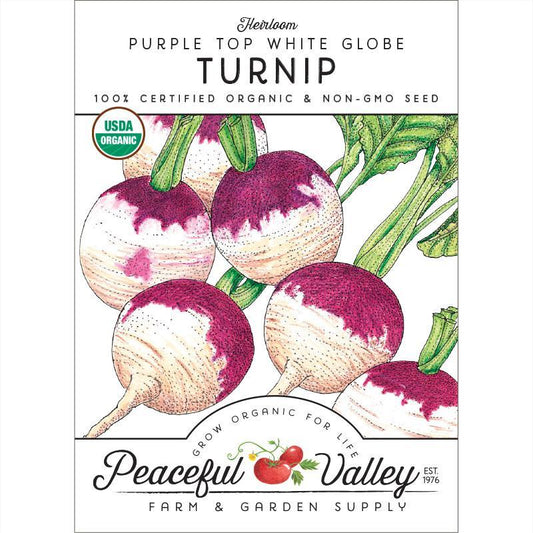
- Purple Top White Globe Turnip Seeds produce smooth, round roots with crisp white flesh and mild sweetness. This dependable variety works well in traditional garden rows.
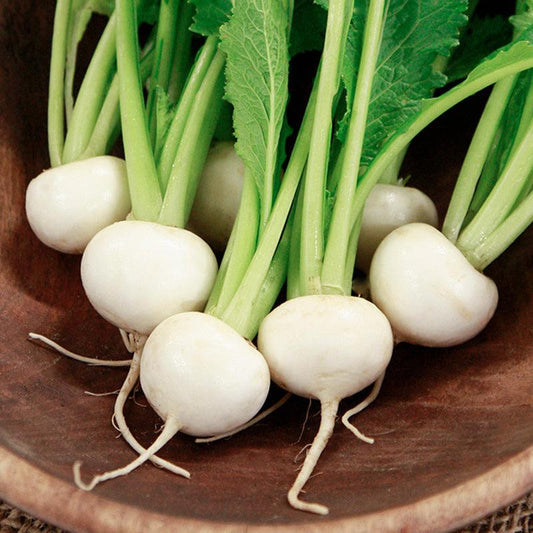
- Fort Umpqua Turnip Seeds produce fast-growing roots and tender greens. They suit cool spring and fall plantings, raised beds, and small spaces.
- Tokyo Market Turnip Seeds produce mild Japanese turnips that are useful in salads or cooked dishes. Their quick growth makes them suitable for intercropping with slower vegetables.
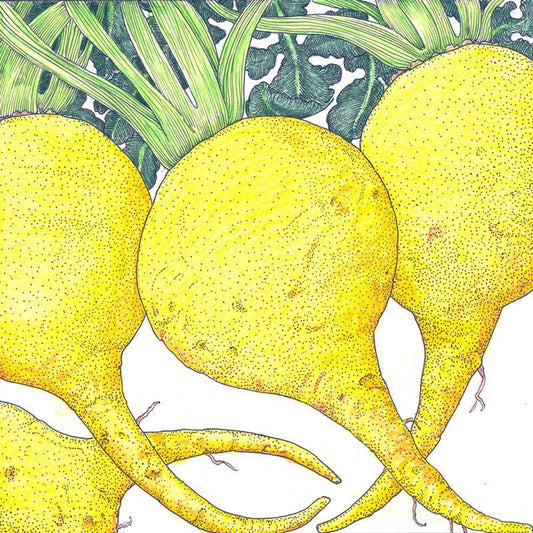
- Organic Golden Globe Turnip produces mild, golden-yellow roots with good keeping quality.
For more seasonal planning help, read Three Reasons to Add Cool-Season Vegetables to Your Garden. The November Gardening Checklist also offers ideas for late-season garden work.
Conclusion
The best companion plants for turnips are crops that fit the available space, mature at different times, and do not shade or crowd the roots. Lettuce, compact greens, early peas, bush beans, small herbs, and insect-friendly flowers can all work well.
Successful companion plants turnips pairings still depend on good soil, steady moisture, correct spacing, and regular pest checks. Treat companion planting as a useful garden-design tool rather than a guaranteed pest cure.