What Plants Benefit From Blood Meal? A Guide to Plants That Thrive (and Those That Don’t)
If you are trying to grow stronger, greener plants, you have probably come across blood meal. It is one of the most common organic fertilizer options used in home gardens. But knowing what plants benefit from blood meal is just as important as knowing how to use it.
Used correctly, it can provide a powerful nitrogen boost. Used incorrectly, it can harm plants. This guide breaks down what it does, which plants respond best, and which ones you should be careful with.

What Is Blood Meal and What Does It Do?
Before choosing plants, it helps to understand what is blood meal for plants.
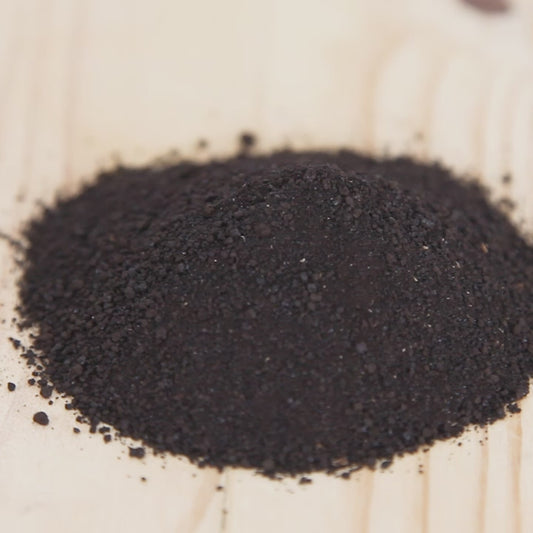
Blood meal is a dried, powdered fertilizer made from animal blood. It is rich in organic nitrogen, making it one of the strongest sources of nitrogen available in organic gardening.
So, what does blood meal do for plants? It mainly supports leafy growth. Nitrogen is essential for producing chlorophyll, which gives plants their green color and drives photosynthesis.
This is why one of the key benefits of blood meal for plants is fast, visible growth, especially in crops where leaves matter most.
What Plants Like Blood Meal?
When gardeners ask what plants like blood meal, the answer usually points to plants that need steady nitrogen.
Leafy Greens and Fast Growers
Crops like lettuce, spinach, kale, and other leafy green vegetables benefit the most. These plants rely on nitrogen to produce tender leaves.
In a vegetable garden, blood meal can help keep greens productive through the growing season.
Heavy Feeders
Plants that use a lot of nutrients also respond well. This includes corn, broccoli, and cabbage. These crops often show nitrogen deficiencies if soil fertility is low.
Tomatoes and Fruiting Crops
Many gardeners ask, is blood meal good for tomato plants or is blood meal good for tomatoes. The answer is yes, but with caution.
Blood meal can help early growth by supplying nitrogen. It supports strong stems and leaves before flowering. However, too much nitrogen later in the season can reduce fruit production. So timing matters.
Using blood meal for tomato plants early, then switching to balanced feeding later, works best.

What Vegetables Like Blood Meal?
If you are planning a garden, it helps to know what vegetables like blood meal.
- Leafy greens like lettuce and spinach
- Brassicas such as broccoli and cauliflower
- Corn and other heavy feeders
- Onions in nitrogen-poor soils
Many gardeners ask, is blood meal good for onions. Yes, onions can benefit from nitrogen early on, especially for leaf development, which supports bulb formation later.
Flowers and Ornamentals
Blood meal is not just for vegetables.
Roses
A common question is, is blood meal good for roses. Roses benefit from nitrogen during active growth. It helps produce healthy foliage and supports blooming cycles when balanced with other nutrients.
Other Ornamentals
Plants grown for foliage often respond well. However, flowering plants need balanced nutrition, so blood meal should be part of a broader feeding plan.
Plants That Do Not Benefit as Much
Knowing what plants need blood meal also means understanding which ones do not.
Low-Nitrogen Plants
Root crops like carrots and beets do not need high nitrogen. Too much can lead to leafy growth instead of proper root development.
Drought-Tolerant Plants
Plants adapted to poor soils, such as herbs like rosemary, may not respond well to high nitrogen levels.
Risk of Overuse
Applying too much can burn plants, especially in young seedlings. This is why following proper application rates is important.

How to Apply Blood Meal Correctly
Understanding how to apply blood meal to plants is key to getting results without problems.
Application Basics
- Mix into soil before planting or use as a side dress
- Water after applying to activate nutrients
- Follow package guidelines carefully
A general guideline is around 1 to 2 pounds per 100 square feet, but always adjust based on your soil.
Per Plant Use
If you are wondering how much blood meal per plant, small amounts go a long way. Sprinkle lightly around the base and mix into the topsoil.
Frequency
Many gardeners ask, how often to use blood meal on plants. Typically, once every 4 to 6 weeks during the growing season is enough, depending on plant needs and soil fertility.
Using a soil test helps determine if your soil actually needs additional nitrogen.

Blood Meal vs Bone Meal
It helps to compare blood meal vs bone products when planning fertilization.
- Blood meal supplies nitrogen for leaf growth
- Bone meal supports root development and flowering
Using both can create a balanced approach, especially when used as a soil amendment before planting.
Improving Soil with Organic Fertilizers
Blood meal does more than feed plants. It contributes to organic matter and supports long-term soil health when used properly.
In organic gardening, combining blood meal with compost, cover crops, or other slow release fertilizers helps maintain stable nutrient levels.
It can also influence soil ph slightly, so testing your soil before applying large amounts is a good practice.
Recommended Blood Meal Products
If you are ready to try it, here are a few reliable options:
- For larger gardens, this Organic Blood Meal 13.6-0-0 (50 lb) provides a long-lasting supply
- For mid-sized spaces, this Organic Blood Meal 13.6-0-0 (25 lb) offers flexibility
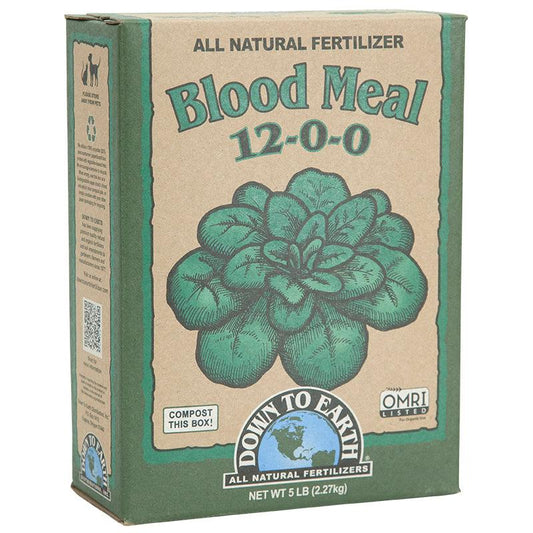
- For smaller gardens, this Blood Meal 12-0-0 (4 lb Box) is easy to manage
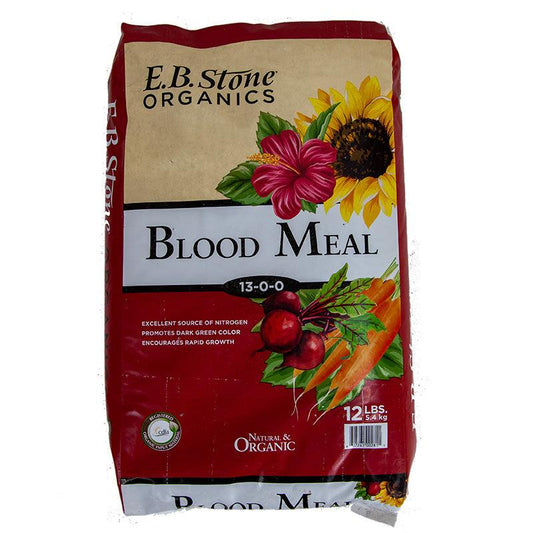
- For general use, this Blood Meal 13-0-0 (12 lb bag) works well
You can also explore a wider selection of organic nitrogen fertilizers to match your garden’s needs.
Conclusion
So, what is blood meal good for? It is best used as a targeted nitrogen source for plants that need strong leafy growth.
The key is knowing what plants benefit from blood meal and applying it at the right time. Leafy greens, heavy feeders, and early-stage crops respond well. Root crops and low-nutrient plants may not.
When used correctly, blood meal can be a valuable part of your soil-building plan and a reliable way to support healthy plant growth.
FAQs About What Plants Benefit From Blood Meal
Which plants love blood meals?
Which plants don't like blood meal?
How often should I apply blood meal to my plants?
Is blood meal good for onions?
Is blood meal good for roses?
Can you sprinkle blood meal on top of soil?
Does blood meal work immediately?
Related Fertilizer Guidance
This page supports What Is Blood Meal? Benefits and Proper Usage Guide. Use that pillar for the complete decision process, then confirm the application with the current product label.