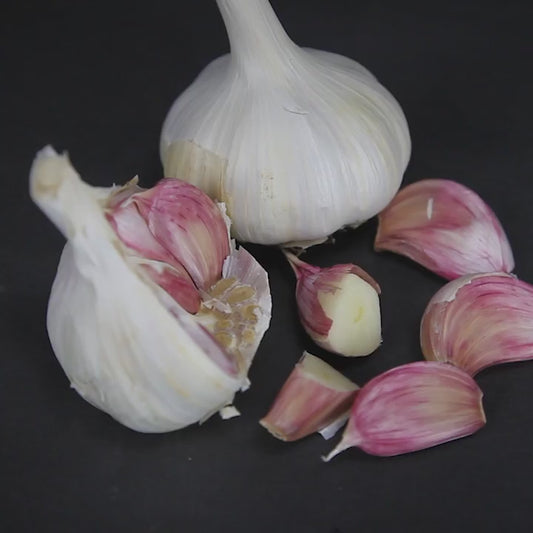
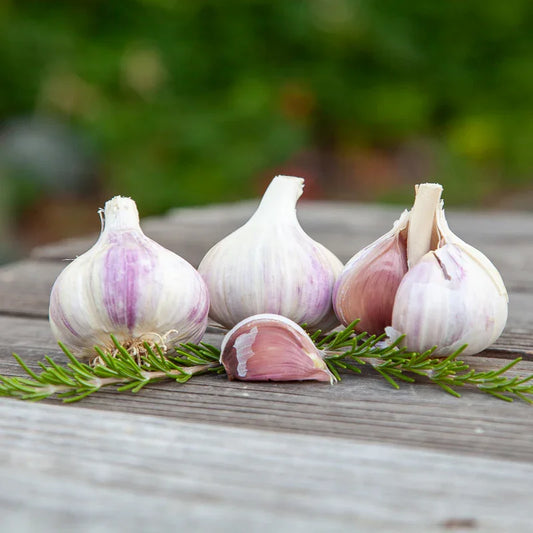
The air has a fall chill to it and the leaves are starting to turn, but there is still plenty to do in your garden and yard. Harvesting the last summer veggies and flowers, planting flower bulbs for a spring bloom and putting in your garlic and onions are just a few things that can be done in October. Here are just a few ideas to add to your "To-Do" List. Tricia talks about some things she is doing in her fall garden in our video, October Gardening Checklist.
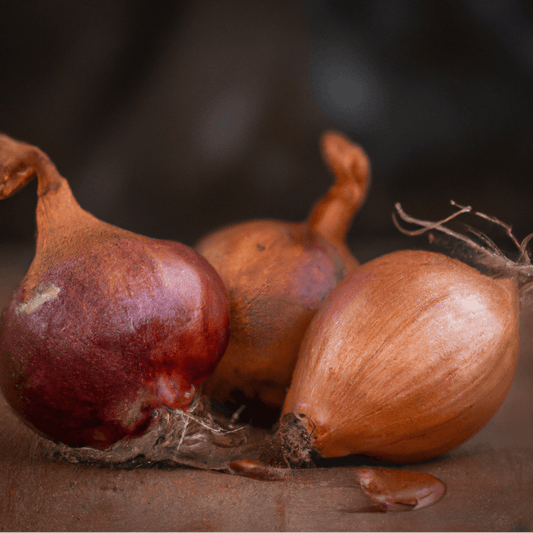
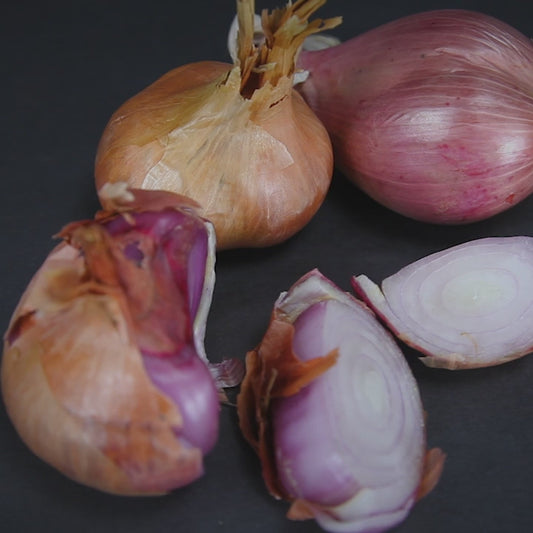
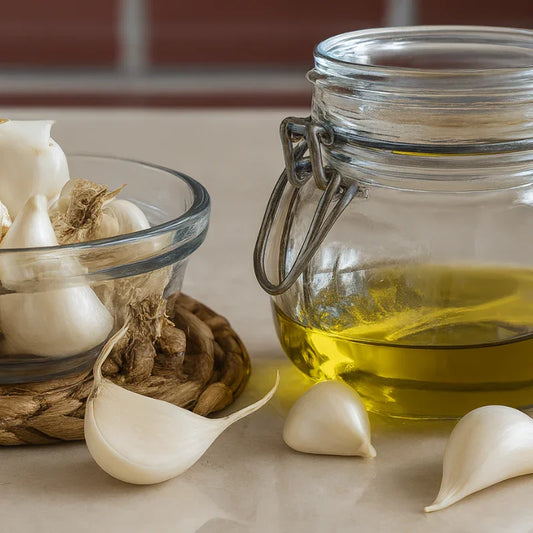
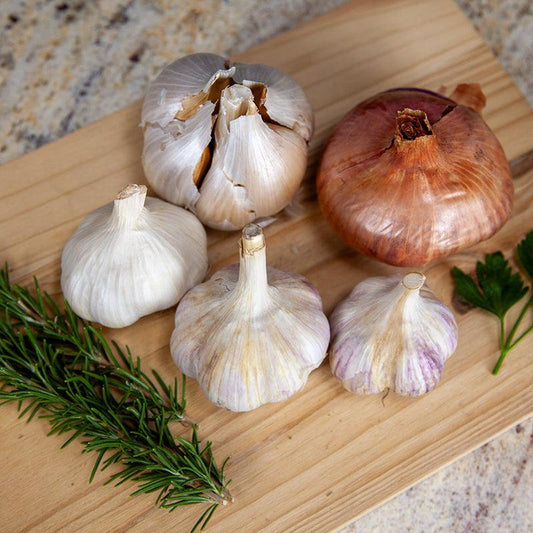
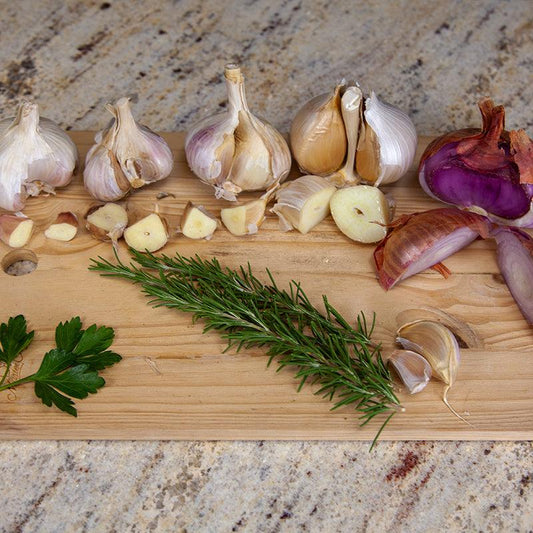
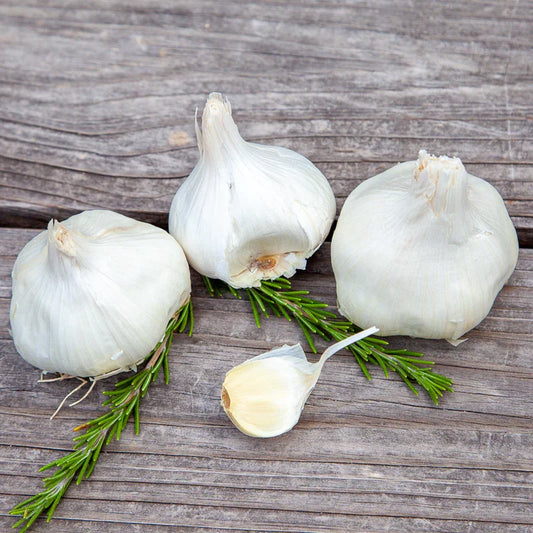
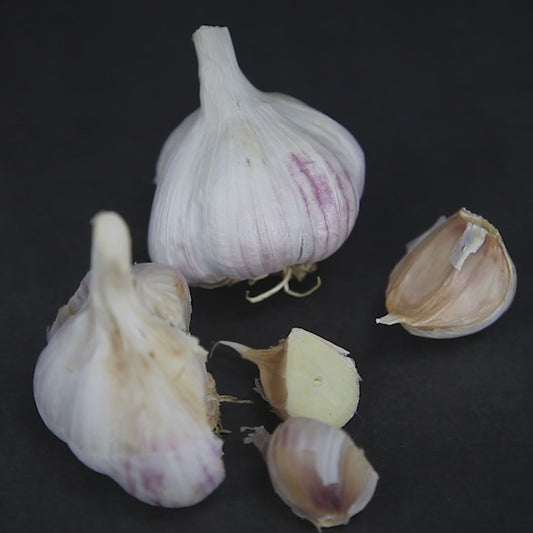
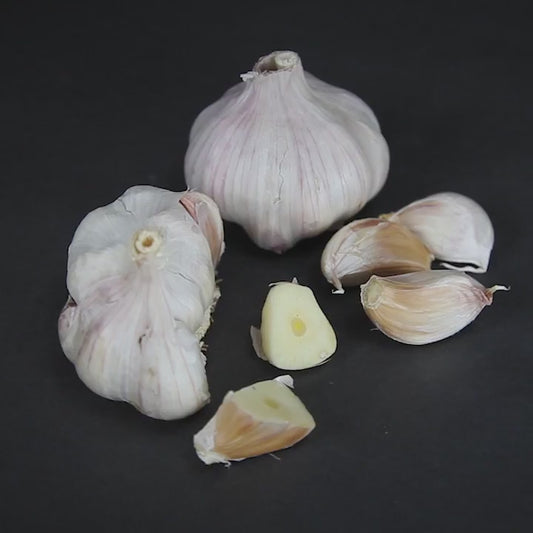
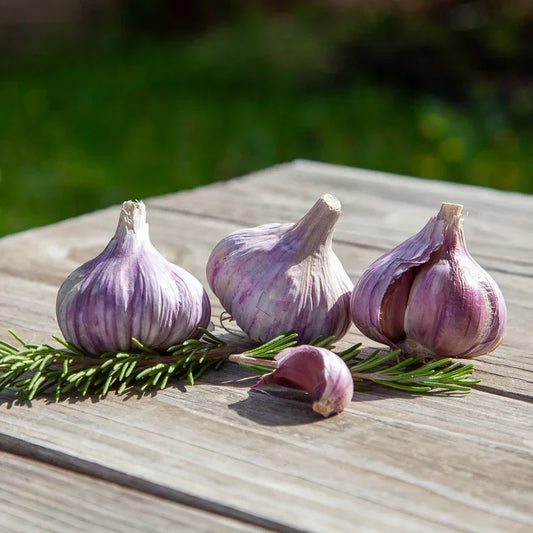
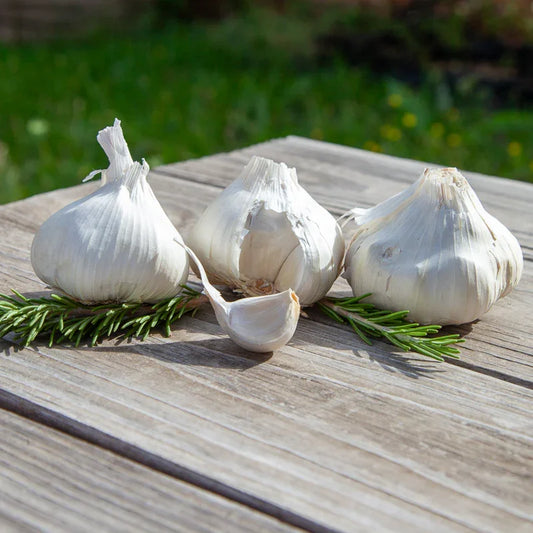
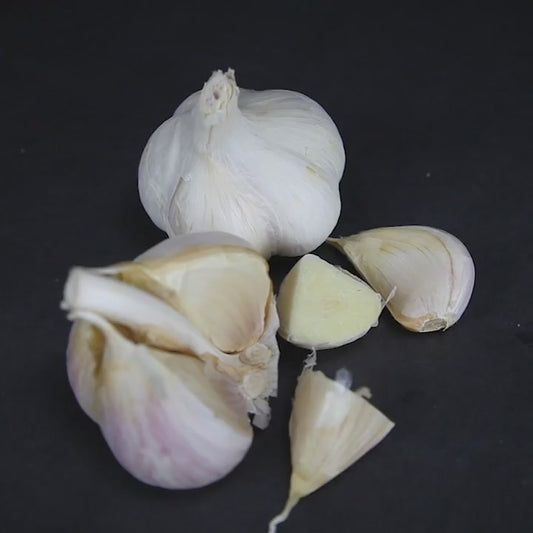
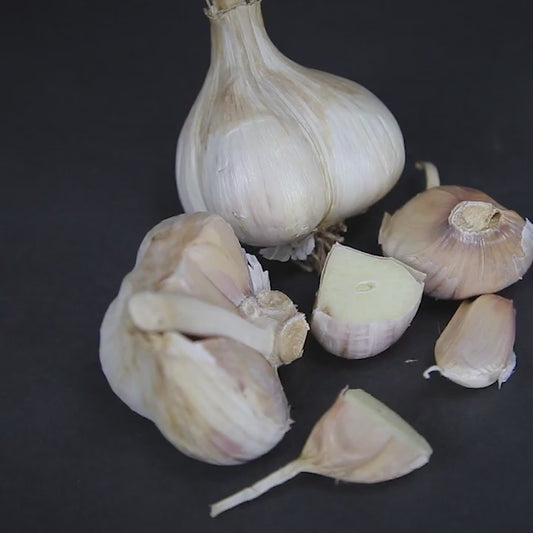
Things to Plant in the Fall – Spring flowering bulbs like daffodils and tulips, garlic, shallots, native plants, cover crop, wildflowers, annual flowers like mums or pansies, cool weather seeds like lettuce, kale, beets, greens and more! Read the full article, 20 Great Gardening Tips for Your October Garden for more information.
Turn the checklist into a seed plan
Use the Seed Learning Center to move from seasonal tasks to crop selection, seed starting, direct sowing, and harvest planning. Browse vegetable seeds when you are ready to match varieties to the open spaces in your garden.
A regional October checklist
Divide the month into harvest, protection, planting, and cleanup. In cold-winter regions, frost preparation and storage dominate. In mild-winter regions, October may be an important sowing month for cool-season crops. In hot climates, it may mark the return of comfortable growing conditions. Use local guidance to decide which version applies.
Harvest and storage
- Pick tender fruit before a damaging frost.
- Cure or dry crops only when the crop requires it.
- Label stored produce and check it regularly for decay.
- Save seed only from healthy, mature plants and dry it thoroughly.
Planting and protection
- Prepare row cover and supports before cold weather arrives.
- Mulch after the soil is moist, keeping mulch away from crowns and stems.
- Sow cover crops early enough to establish under local conditions.
- Water new plantings until roots establish, even when air temperatures are cooler.
Containers and irrigation
Container roots are more exposed to temperature swings than roots in the ground. Move tender pots, insulate hardy containers when needed, and empty saucers before freezing weather. Drain or protect irrigation equipment according to your climate, but keep a watering option available during dry spells.
Record what happened
Photograph beds, note first frost, record disease or pest hotspots, and list varieties worth repeating. These observations are more useful than memory when you choose seed and assign crop rotations for the next season.
Tool and supply care
Brush soil from tools, disinfect cutting tools when disease has been present, and dry metal surfaces before storage. Empty seed from outdoor sowers and keep unused packets in a cool, dry place. Inventory row cover, labels, twine, trays, and potting mix now so damaged supplies are replaced before the next sowing rush.
Pause before amending
Do not add lime, fertilizer, or large amounts of organic matter simply because a bed is empty. Test soil when results will change the plan, then choose amendments for the crop and soil condition. Protecting the surface from erosion is often the most useful immediate step.
Manage compost and labels
Balance wet green residue with dry carbon-rich material and keep diseased plants out of piles that will not reach appropriate temperatures. Replace fading labels before winter, especially around perennials, bulbs, and trial varieties. Store unused seed in sealed, labeled containers under cool, dry conditions rather than leaving packets in a shed with large temperature and humidity swings.
Check access and safety
Clear slippery leaves from steps and primary paths, secure loose trellises before seasonal wind, and store hoses where they will not become trip hazards. Confirm that cold frames, covers, and stored chemicals are labeled and inaccessible to children and pets. These small maintenance tasks make later winter checks faster and safer.