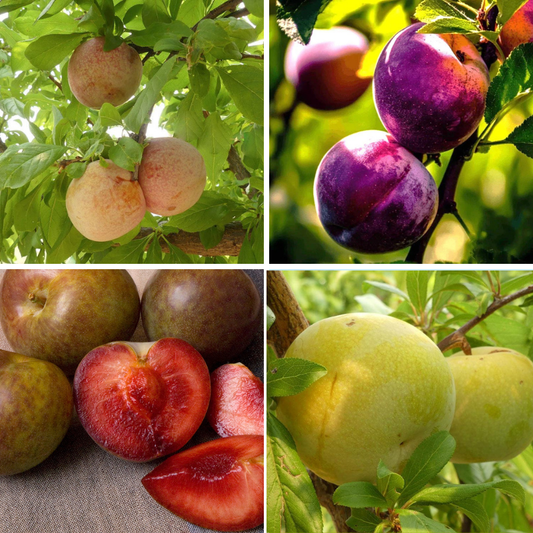
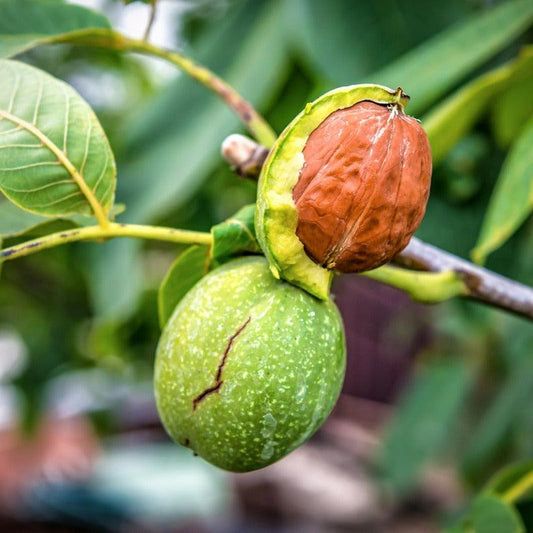
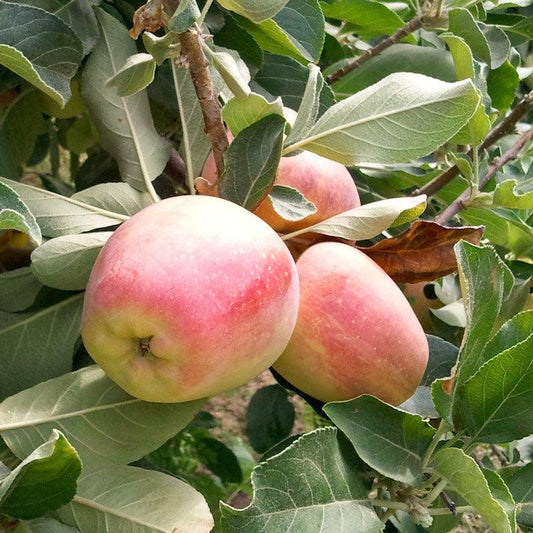
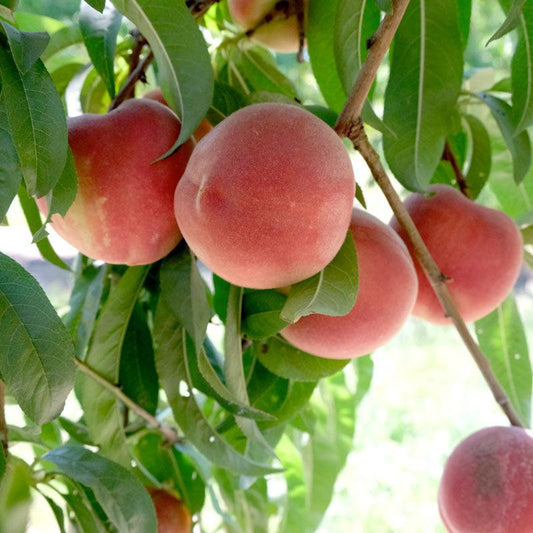
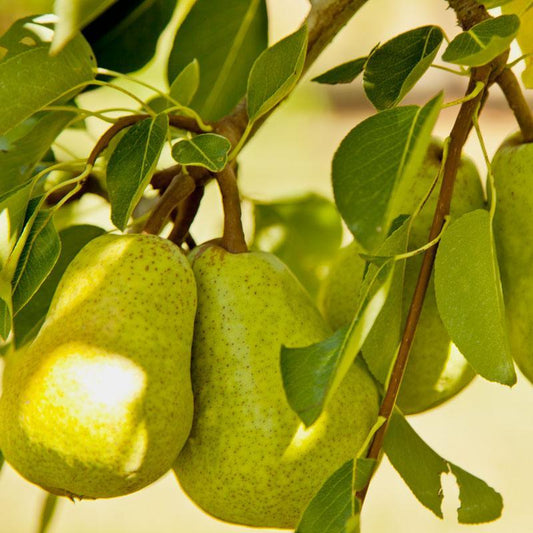
Thinking about buying a fruit tree? In this video, Tricia walks through the major decisions that help match a bare root fruit tree to a garden or orchard.
Start with climate fit
Confirm the site’s USDA hardiness zone, typical winter chill, summer heat, frost pattern, and drainage. Chill requirements are approximate ranges, so compare variety information with reliable local climate guidance. Learn more in Fruit Tree Chill Hours Explained.
Allow for the mature tree
Consider available space, rootstock, natural vigor, and the pruning or training system you are prepared to maintain. Dwarf, semi-dwarf, and standard labels are useful starting points, but actual size also depends on variety, soil, climate, irrigation, and management.
Check pollination before purchase
Some varieties are self-fruitful; others need pollen from a compatible variety with overlapping bloom. Requirements differ by species and cultivar. Confirm the current variety-specific pollination information and select a compatible partner when one is required.
Plan the harvest you want
Compare ripening windows and intended use. A concentrated harvest may suit preserving, while staggered varieties can extend fresh eating. Flavor, storage ability, cooking quality, and local disease pressures can also help narrow the choice.
Use the written selection checklist
This video is the visual overview. For the complete planning workflow, use the Bare Root Tree Selection Guide, then visit Fruit Tree Central for planting and care resources.
Ready to compare trees?
Shop bare root fruit trees and review each variety’s zone, chill, size, pollination, and harvest information.