Choose plant support by the mature plant’s weight, growth habit, wind exposure, and the work you can provide through the season. Cages surround bushy plants; stakes support individual stems; trellis netting and panels guide vines; teepees suit climbing annuals; and permanent post-and-wire systems carry long-lived or heavy vines. Install the structure before growth becomes difficult to handle.
Plant-support options at a glance
| Support | Best fit | Strength | Seasonal work |
|---|---|---|---|
| Cage | Tomatoes, peppers, peonies, bushy plants | Moderate to heavy when anchored | Guide shoots inside; inspect anchors |
| Single stake | Individual stems and compact plants | Depends on stake and tie spacing | Add loose ties as the stem grows |
| String or vertical twine | Tomatoes, beans, hops, greenhouse crops | Requires secure overhead anchor | Clip, tie, or train growth regularly |
| Trellis netting | Peas, beans, cucumbers, light vines | Varies by mesh, frame, and attachment | Guide tendrils; remove crop residue |
| Rigid panel or grid | Cucumbers, squash, heavy vines | Moderate to heavy when well anchored | Train growth and inspect fasteners |
| Teepee or tripod | Pole beans, peas, compact beds | Stable when legs are spread and joined securely | Direct vines to the legs |
| Post-and-wire trellis | Kiwi, grapes, berries, permanent vines | Heavy, if engineered for crop and wind loads | Prune, train, tension, and inspect annually |
Start with the plant’s growth habit
A twining bean wraps around a narrow support, a cucumber attaches with tendrils, and a tomato must be tied or contained. Hops climb by wrapping bines; kiwi produces long woody vines and a heavy perennial canopy. Match the structure to how the plant climbs rather than forcing every crop onto the same mesh.
- Bushy or sprawling plants: cages, rings, grids, or multiple stakes contain the canopy.
- Twining vines: poles, string, narrow mesh, or teepees provide something to wrap around.
- Tendrilled vines: netting, wire, or panels provide repeated attachment points.
- Long-lived woody vines: permanent posts, crossarms, and wire must carry mature crop and wind loads.
Plan for mature weight and weather
Size the support for a wet, fruiting canopy rather than a young transplant. Wind pushes against leaves like a sail, and saturated soil may hold anchors poorly. Place posts deep enough for the soil and load, brace ends where wires are tensioned, and keep sharp cut ends away from paths and faces. For permanent structures or areas with buried utilities, follow local requirements before digging.
Freestanding supports should have a broad or well-anchored base. A trellis attached to a raised bed can lever against the bed walls, so reinforce the connection rather than relying on thin boards. Check structures after storms and during peak fruit load.
Stakes and ties
Stakes are simple and flexible for tomatoes, peppers, flowers, and young plants. Choose wood, bamboo, metal, or fiberglass by strength, service life, handling, and storage. Drive the stake before roots spread widely when possible. For a long stem, use several ties so one point does not bear the entire load.
Ties should be broad or flexible enough not to cut into expanding stems. Leave room for growth and inspect them throughout the season. Attach the tie to the stake securely and cradle the stem rather than cinching it. Browse current Garden Ties.
Cages for branching plants
Cages reduce repeated tying by containing multiple branches. Select diameter and height from the cultivar’s mature habit. A small cage may work for a compact pepper but disappear inside an indeterminate tomato. Anchor cages at installation; adding stakes after a loaded plant begins to lean is harder and can injure roots.
The detailed Tomato Cages, Stakes, and Trellis comparison explains tomato-specific tradeoffs.
Trellis netting, panels, and grids
Netting is lightweight and can cover long rows, but it is only as strong as its frame, attachments, and end anchors. Choose a mesh that lets you reach through for harvest without trapping mature fruit. Tension it evenly; sagging netting concentrates load and can tangle vines. Follow How to Make Trellis Netting for layout and installation.
Rigid panels resist sagging and can be reused for many seasons. They are heavier, require secure edges, and need storage space. An angled or A-frame trellis can make fruit visible and create shade below, but the legs need a stable footprint.
Bamboo grids and teepees
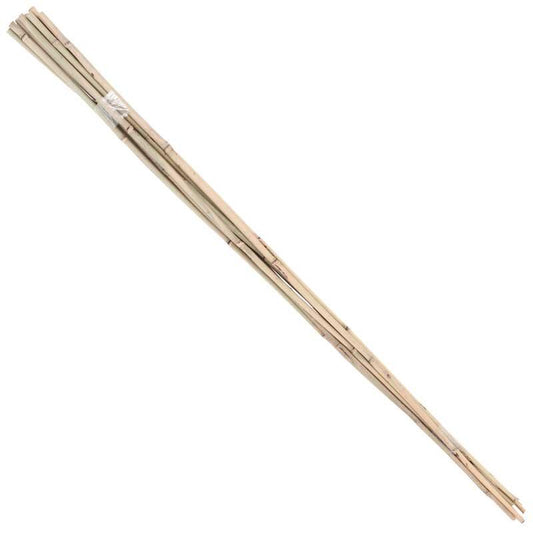
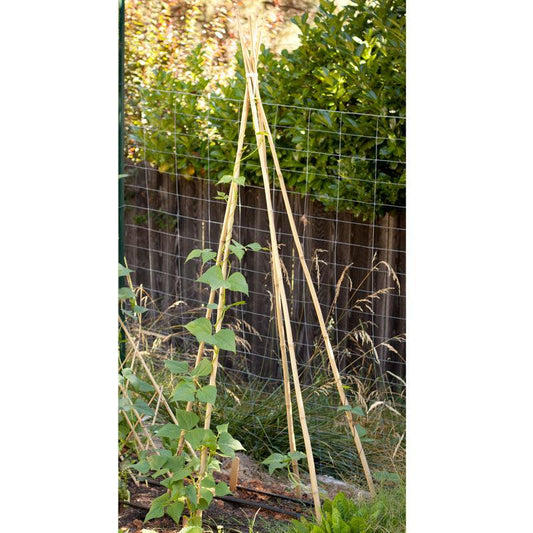
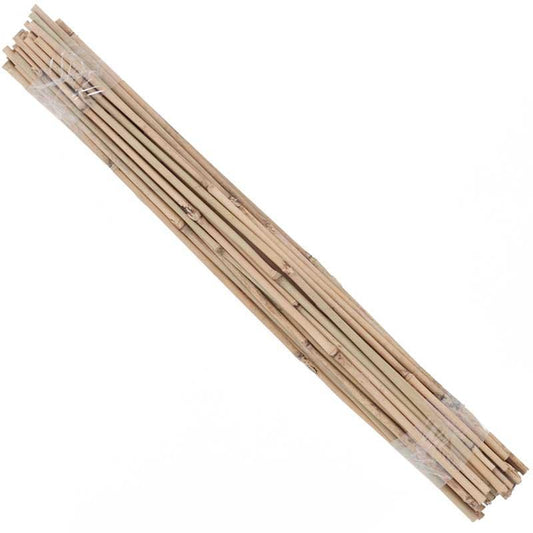
Bamboo stakes can form a flat grid, low horizontal support, or teepee. Select poles without deep splits and bind joints so they cannot slide. For a teepee, spread three or more legs, join them securely above the crop, and anchor the feet. For a grid, establish strong verticals, then attach horizontal members at intervals that fit the crop.
Bamboo’s service life and environmental footprint depend on species, treatment, transport, storage, and reuse. Retire poles that have cracked or lost strength.
Crop-specific choices
Cucumbers
Vining cucumbers can grow on the ground or a trellis. Trellising saves horizontal space and can improve access, but it adds installation and training work and does not guarantee disease prevention. Start with Do Cucumbers Need a Trellis?, then compare layouts in Cucumber Trellis Ideas.
Hops
Hops need tall, strong support and season-long training. The system must handle wind and mature bine mass, while allowing safe cutting down at harvest or dormancy. Use the Hops Site and Trellis Design guide.
Kiwi
Kiwi requires a durable permanent trellis and a pruning system that controls renewal growth and crop load. Review Kiwi Trellis Ideas and Planting Guide before construction.
Material, reuse, and end-of-season care
Metal, plastic, wood, bamboo, and natural-fiber systems each have tradeoffs. Reusability depends on exposure, cleaning, storage, disease history, and local disposal or recycling options. Do not describe a material as biodegradable or compostable without checking treatment, coatings, and local processing conditions.
- Remove plant debris without cutting reusable netting when practical.
- Clean and dry reusable supports before storage.
- Inspect poles, wires, clips, and ties for wear or sharp edges.
- Discard or isolate material that carried a serious disease when reuse could spread it.
- Store netting rolled and labeled by size to reduce tangles.
Choose and install the support
Measure the row, bed, or container; estimate mature height and load; identify anchor points; and decide how you will reach the crop for pruning and harvest. Install early, train plants gradually, and inspect ties and anchors as stems thicken. Compare Plant Support, Plant Support Trellis, Plant Trellis, and Garden Ties.