
Collection: Bare Root Apple Trees
Bare root apple trees selected for flavor, climate and orchard space

-

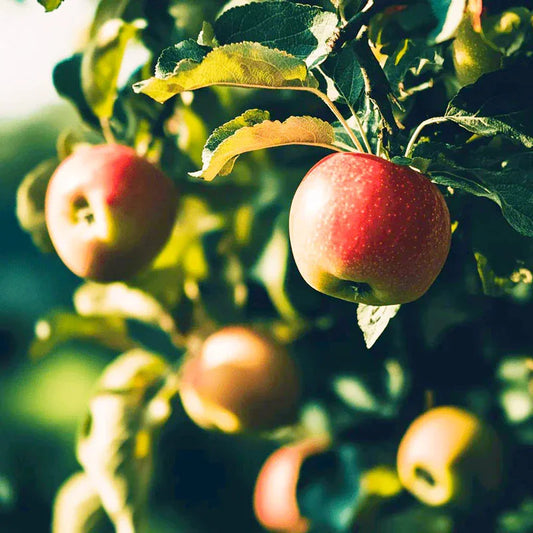
Honey Crisp Apple Tree
Regular price $69.99Sale $69.99Unit price per -
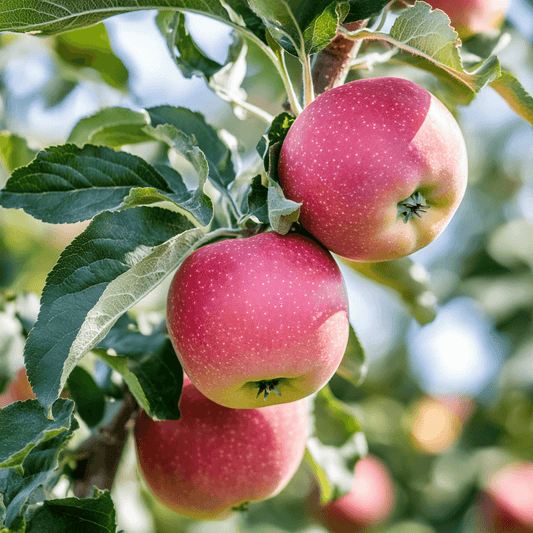
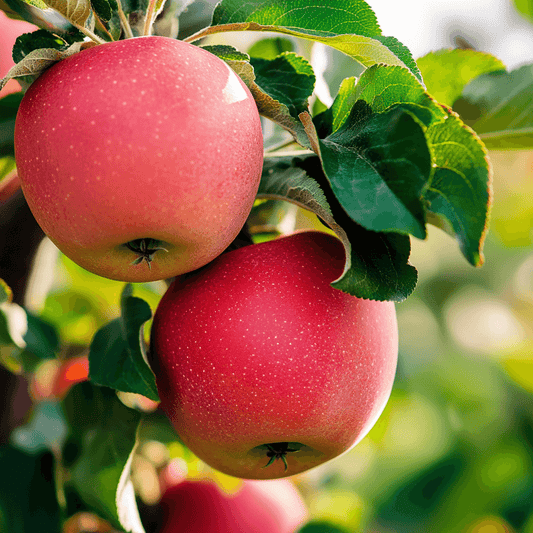
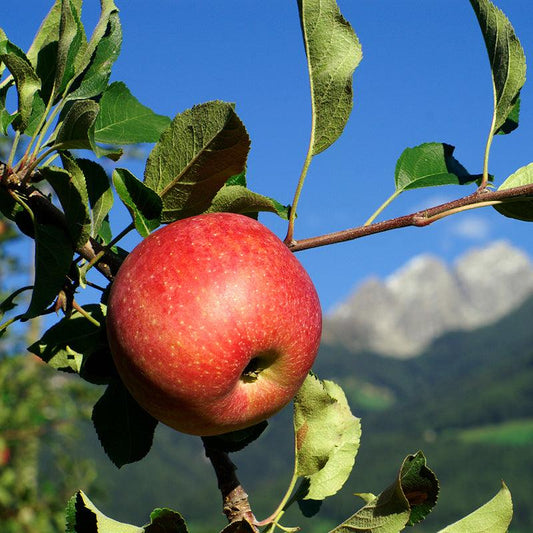
Fuji Red Apple Tree
Regular price $59.99Sale $59.99Unit price per -
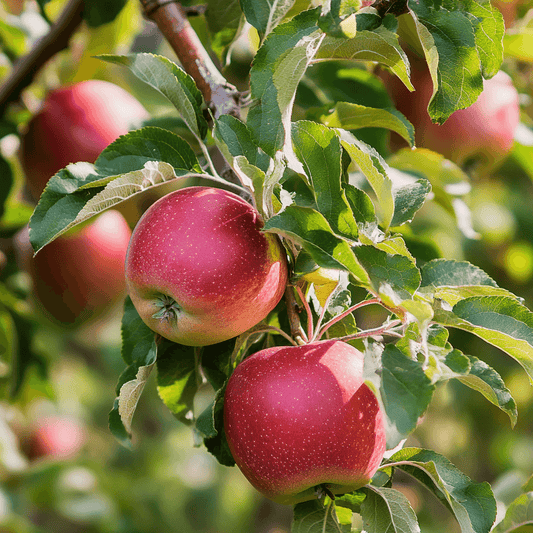

Gala Apple Tree
Regular price $69.99Sale $69.99Unit price per -

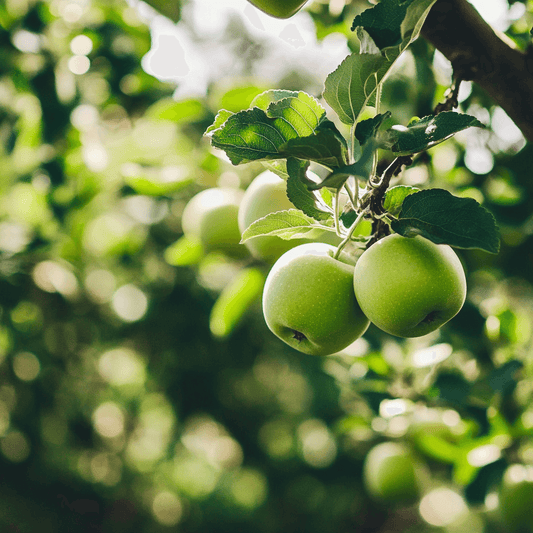
Granny Smith Apple Tree
Regular price $59.99Sale $59.99Unit price per -
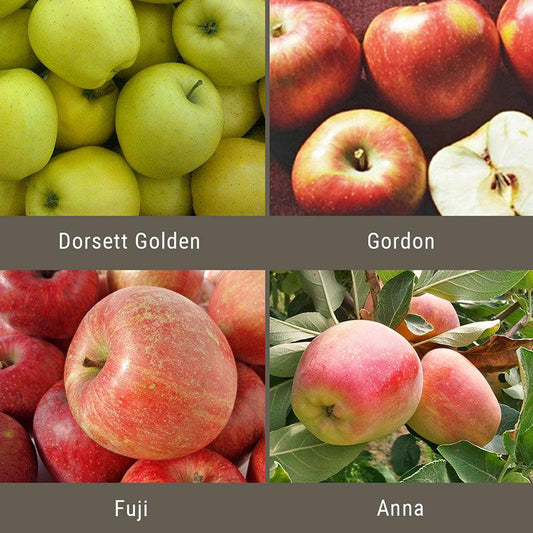
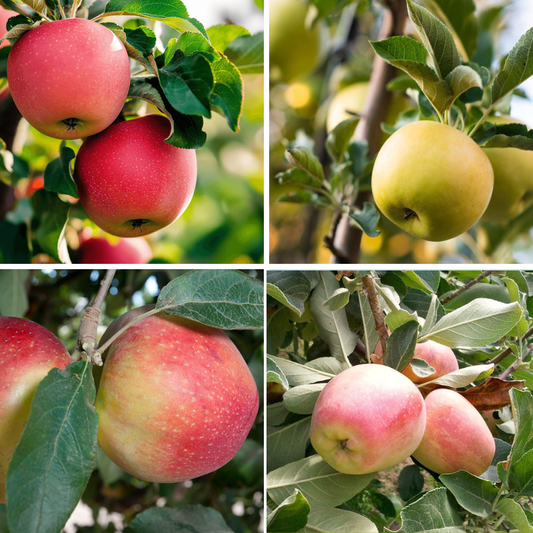
Low Chill Apple, 4 on 1 Multi Grafted Fruit Tree
Regular price $94.99Sale $94.99Unit price per -
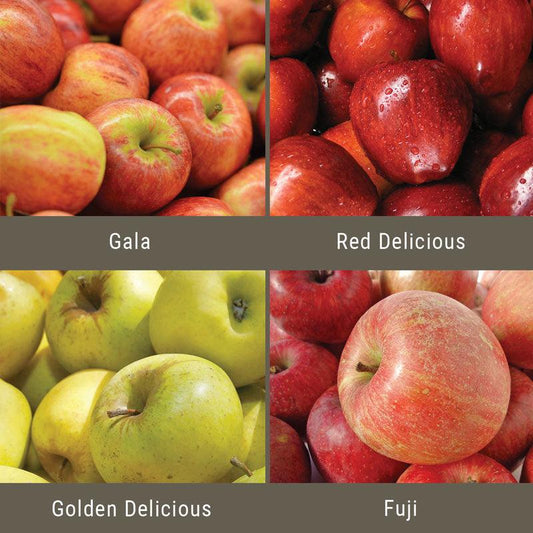

"Constant Harvest" Apple, 4 on 1 Multi Grafted Fruit Tree
Regular price $94.99Sale $94.99Unit price per -
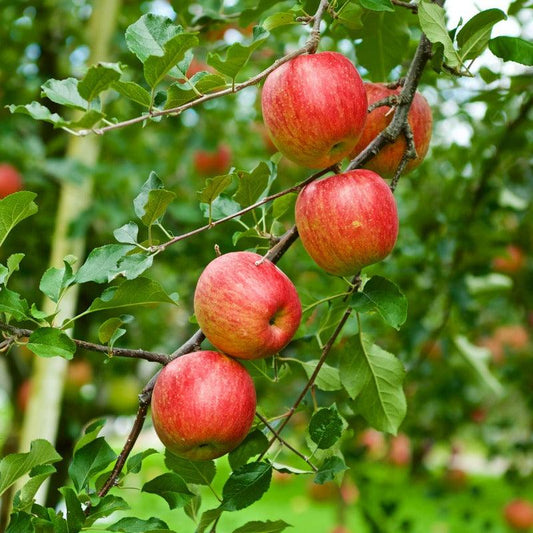
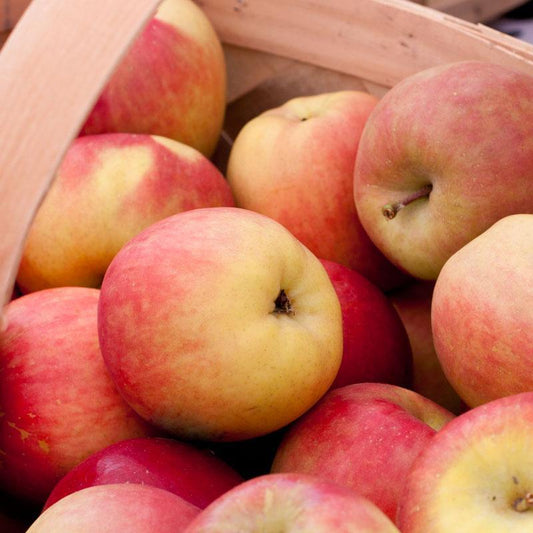
Dwarf Fuji Apple Tree
Regular price $74.99Sale $74.99Unit price per -

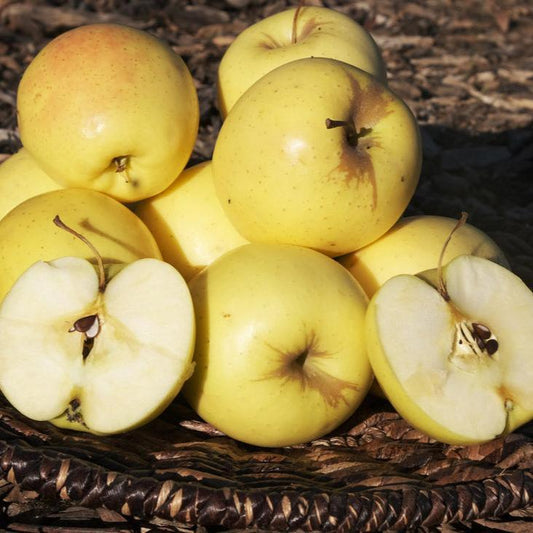
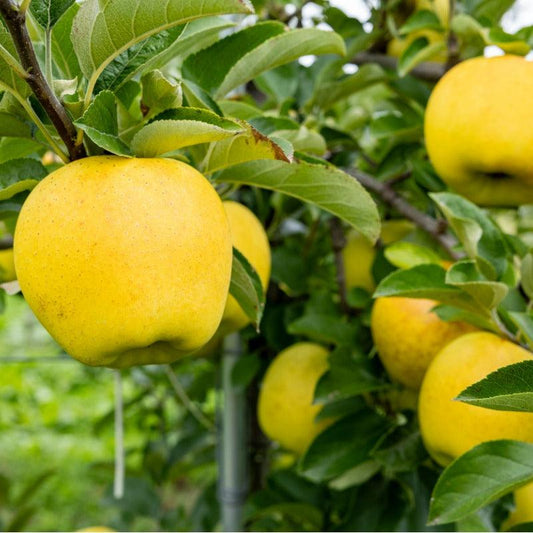
Golden Delicious Apple Tree
Regular price $69.99Sale $69.99Unit price per -

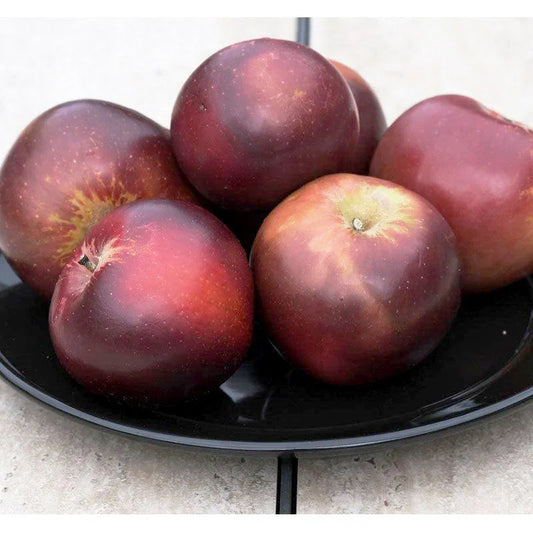
Arkansas Black Spur Apple Tree
Regular price $69.99Sale $69.99Unit price per -
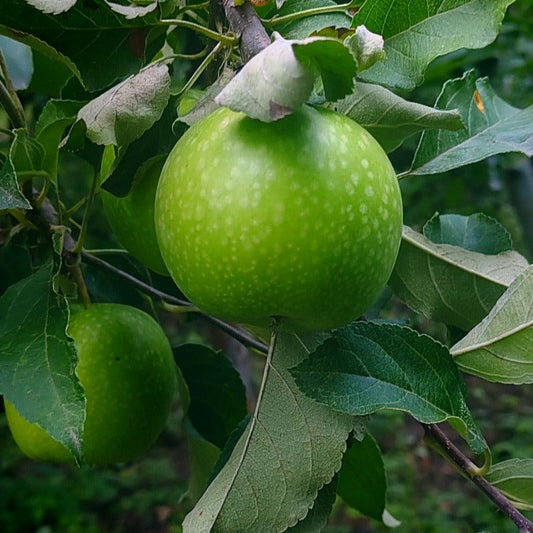
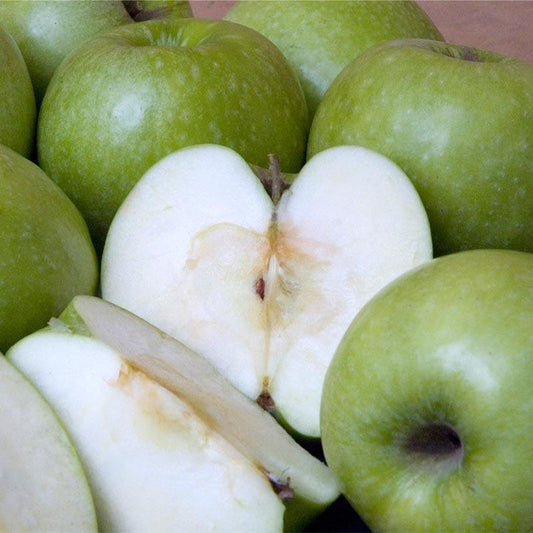
Dwarf Granny Smith Apple Tree
Regular price $74.99Sale $74.99Unit price per -


Gravenstein Red Apple Tree
Regular price $69.99Sale $69.99Unit price per -
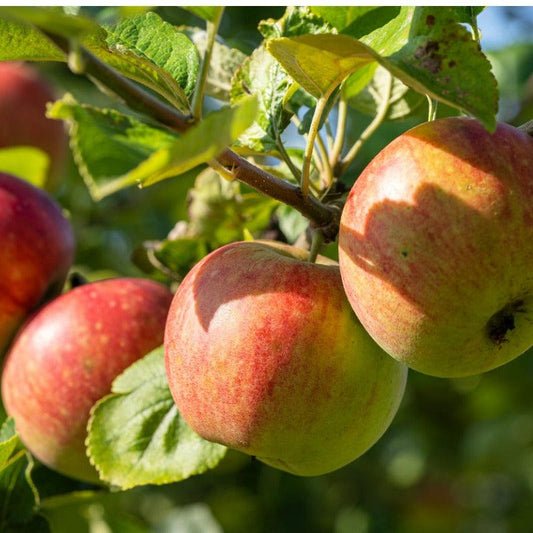
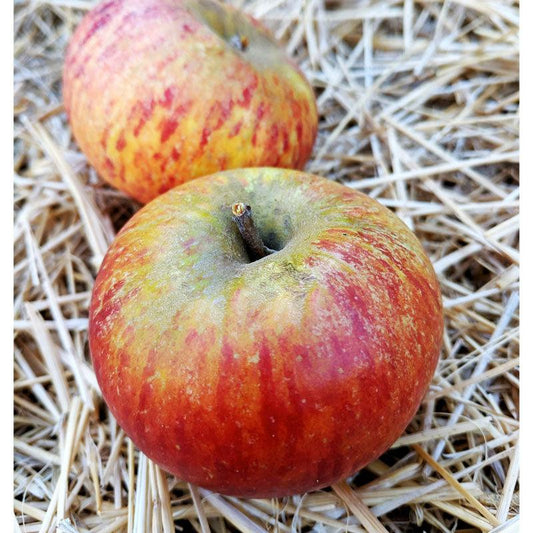
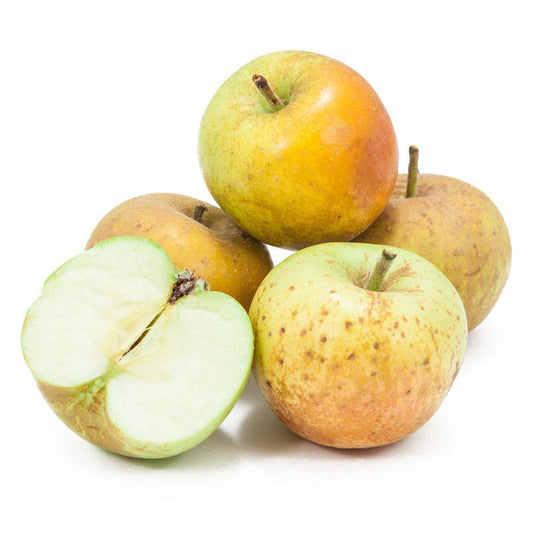
Cox Orange Pippin Apple Tree
Regular price $69.99Sale $69.99Unit price per -
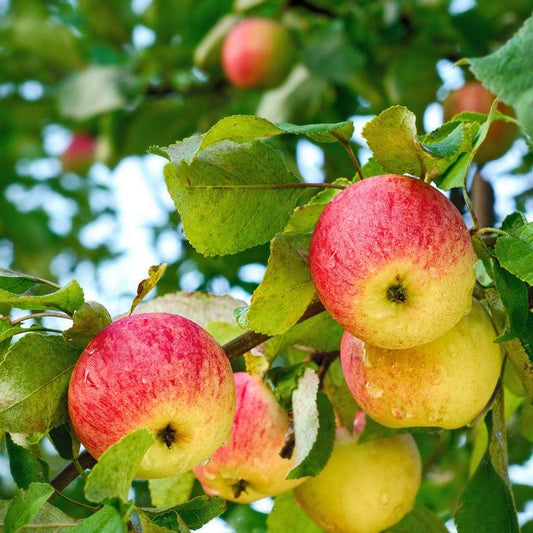

Braeburn Apple Tree
Regular price $69.99Sale $69.99Unit price per -
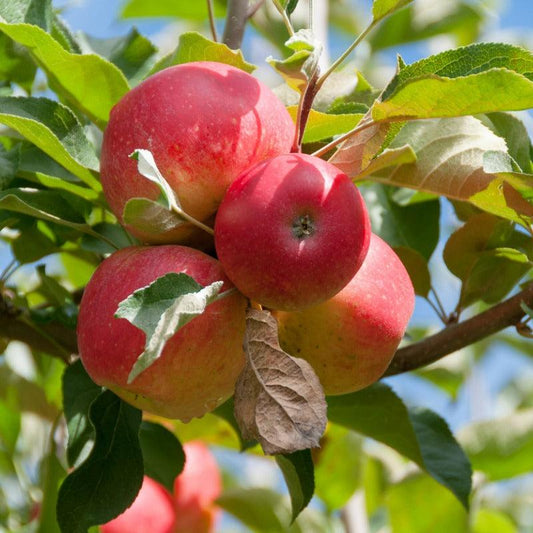
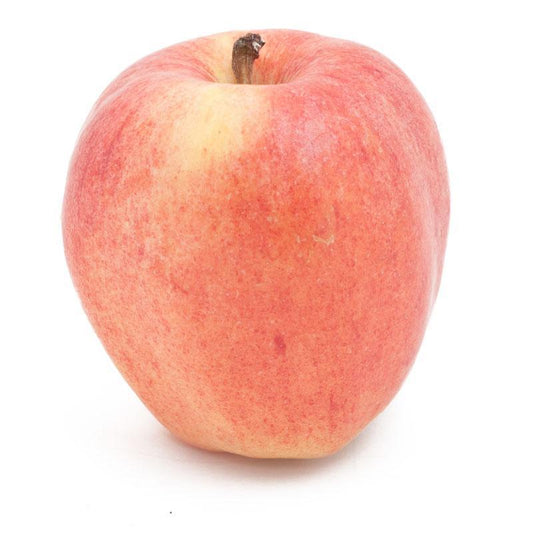
Dwarf Gala Apple Tree
Regular price $74.99Sale $74.99Unit price per -
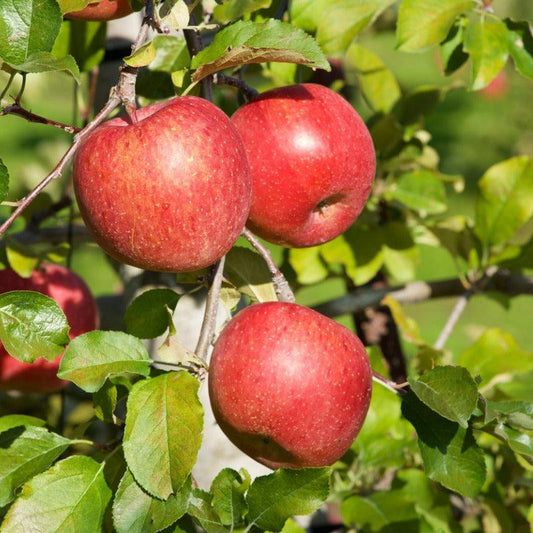
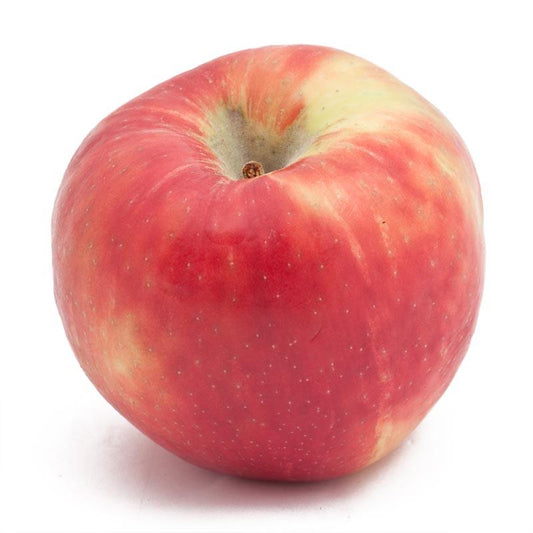
Dwarf Honey Crisp Apple Tree
Regular price $74.99Sale $74.99Unit price per -
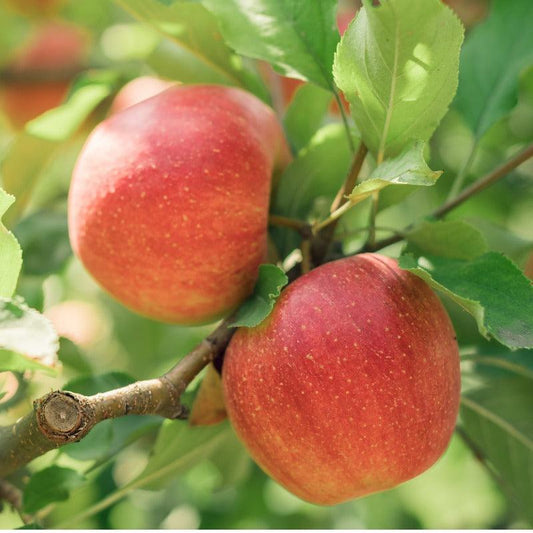

Spitzenburg Apple Tree
Regular price $69.99Sale $69.99Unit price per -
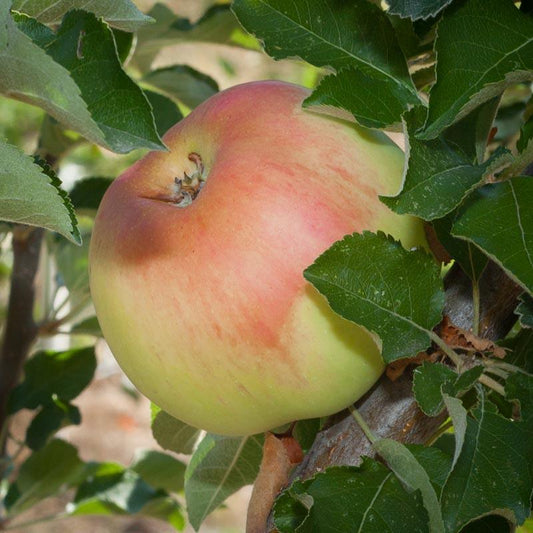

Sierra Beauty Apple Tree
Regular price $69.99Sale $69.99Unit price per -
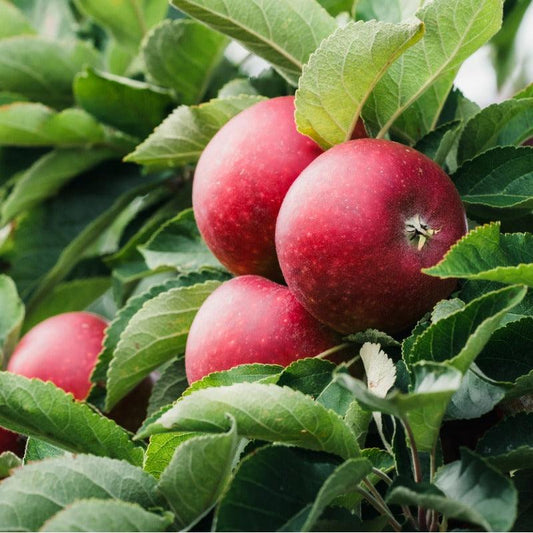

Liberty Apple Tree
Regular price $69.99Sale $69.99Unit price per -

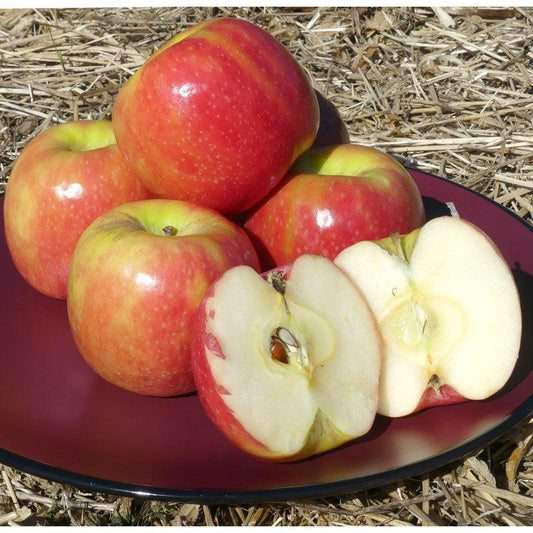
Pink Lady Apple Tree
Regular price $69.99Sale $69.99Unit price per -
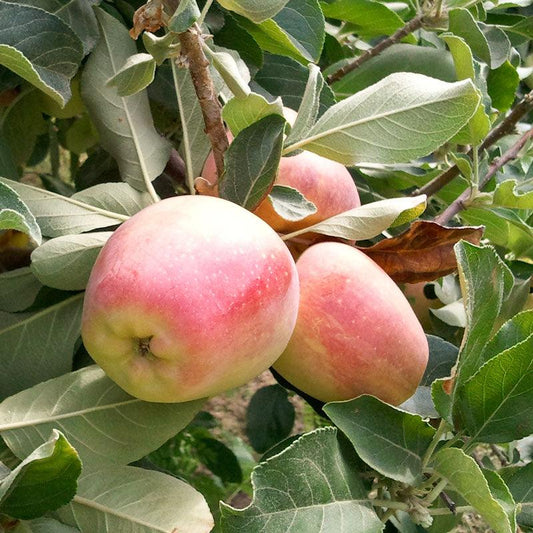
Anna Apple Tree
Regular price $69.99Sale $69.99Unit price per -


Golden Dorsett Apple Tree
Regular price $69.99Sale $69.99Unit price per -
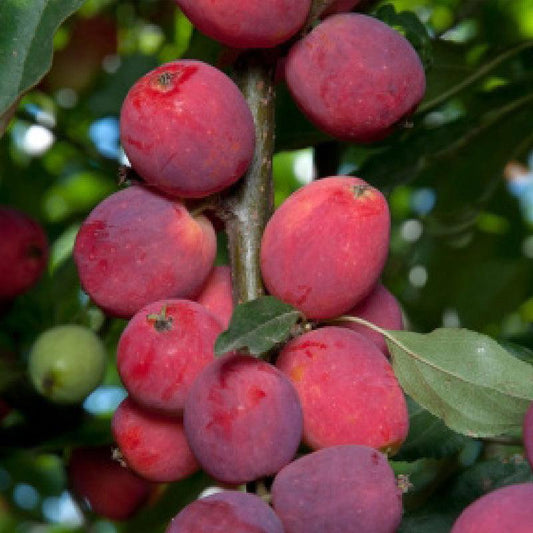
Dolgo Crabapple Tree
Regular price $69.99Sale $69.99Unit price per -
 Sold out
-
 Sold out
-
 Sold out
-

 Sold out
Yellow Newton Pippin Apple Tree
Regular price $64.99Sale $64.99Unit price per -

 Sold out
Red Delicious (Bisbee Spur) Apple Tree
Regular price $64.99Sale $64.99Unit price per -
 Sold out
-
 Sold out
-
 Sold out
Dwarf Apple Golden Delicious Tree
Regular price $64.99Sale $64.99Unit price per -
 Sold out
-
 Sold out


Collection: Choosing a Bare Root Apple Tree
Choose bare root apple trees for your space and harvest
Start with a variety you want to eat, then check its rootstock, chill needs and bloom timing. A tree that fits an open orchard may be too large for a small yard. If you are comparing bare root apple trees for sale, measure the planting area and note any apple trees that already bloom nearby.
Compare fruit for snacks, baking or storage
Honey Crisp, Fuji Red and Gala are choices to compare if you want apples for fresh eating. Granny Smith offers a tart option for fresh use and baking. If you want to keep part of the harvest, check each listing for harvest timing and storage guidance. Choose two cultivars with different uses if you have room and want variety across the season.
Choose a rootstock that fits the site
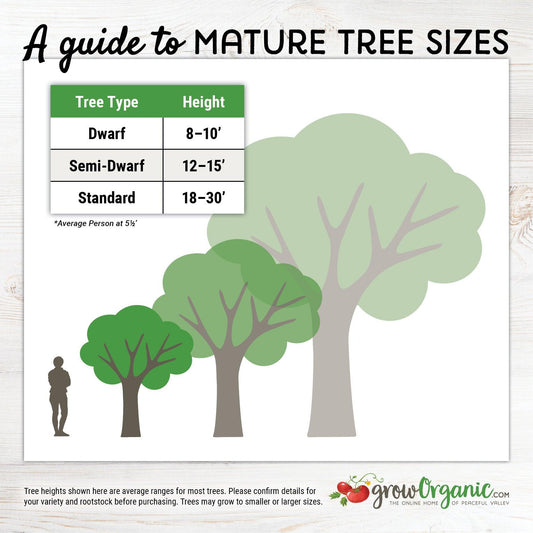
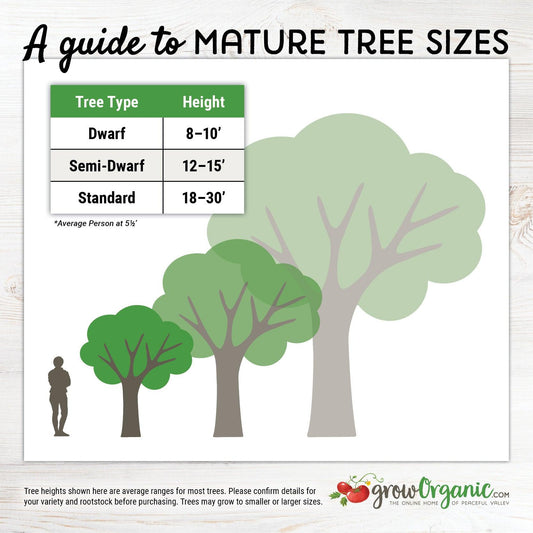
Check both the cultivar name and the rootstock or size class. The collection includes Dwarf Fuji Apple Tree and a semi-dwarf Fuji Red listing. Compare the mature size and planting requirements on the individual pages. Leave room to reach the tree for pruning and picking, and check whether the rootstock you choose needs support.
In a mild-winter garden, compare the listed chill requirements before you order. The Low Chill Apple four-on-one tree is an option to review for that purpose. A multi-grafted tree gives you several cultivars on one tree. Check the variety list, rootstock, bloom and harvest details for the tree you are buying, since the combinations can differ.
Plan for pollination and dormant delivery
Check the pollination notes for your chosen apple variety. If it needs a second cultivar, choose one with overlapping bloom. If you rely on an existing tree, identify the cultivar if possible and check that it flowers at the same time. Find a spot that gets suitable sun and has room for both trees at their mature size.
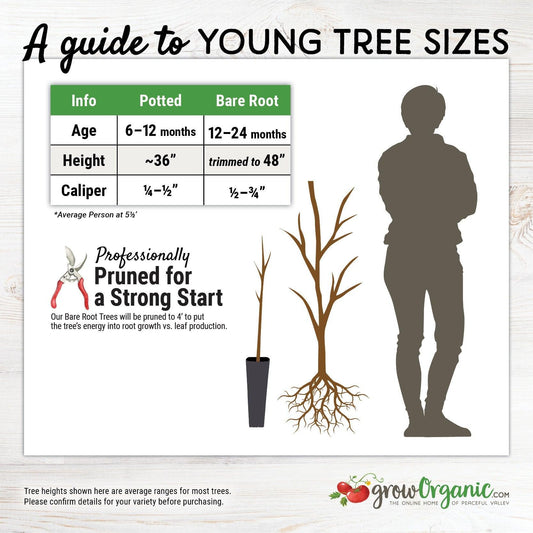
Bare root trees are shipped dormant. Check the expected shipping window and have the planting site ready before the order arrives. Follow the planting instructions as soon as you receive the tree and protect the roots from drying during any delay. If you are ordering several trees, label the sites before you start planting.
Compare one-tree and two-tree plans
With room for one tree, look first at mature size, pollination and the fruit you will use. Where there is room for two, compare bloom overlap and choose harvest dates that fit when you can pick. Make a short list of compatible cultivars and check their rootstocks before adding both to an order.
Check the order details before choosing a tree
Write the cultivar, rootstock and planting location together on your list. If you use a fence or a permanent support, check how much room it leaves between the tree and the path. Check the expected harvest window for each graft on a multi-grafted tree. If you can pick only on weekends, a mix of harvest dates may be easier to manage than several cultivars that ripen together.