
Collection: Deer Repellents & Deterrents

-
Sale
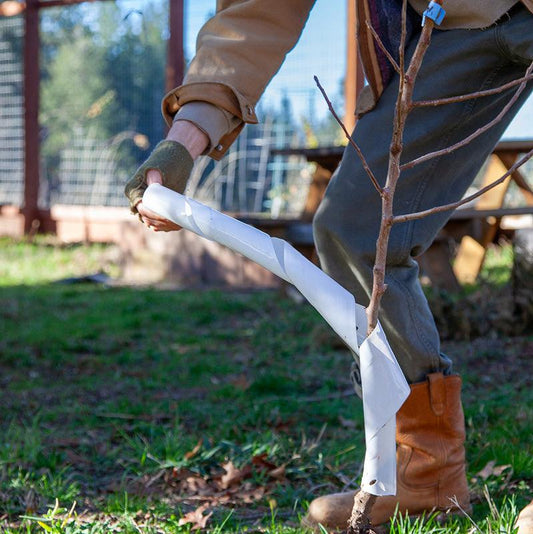
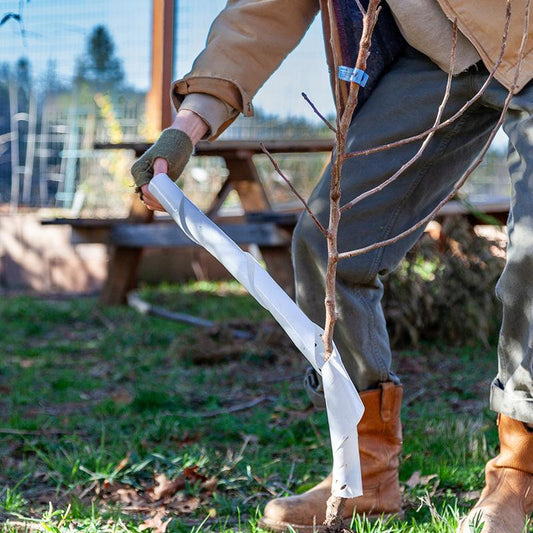
Spiral Tree Guards - 24" (Pack of 5)
Regular price $7.99Regular priceUnit price per$12.99Sale $7.99Sale -
Sale
Spiral Tree Guards - 36" (Pack of 5)
Regular price $10.99Regular priceUnit price per$14.99Sale $10.99Sale -
Liquid Fence - Deer & Rabbit Repellent Spray, Ready-to-Use (Quart)
Regular price $14.99Regular priceUnit price per -
Sale
Liquid Fence - Deer & Rabbit Repellent, Concentrate (40 oz)
Regular price $45.99Regular priceUnit price per$49.99Sale $45.99Sale -
Sale
Deer Fencing (7.5'X 330')
Regular price $299.99Regular priceUnit price per$419.00Sale $299.99Sale -
Sale
Deer Fence C-Flex (7.5' X 100')
Regular price $159.99Regular priceUnit price per$199.00Sale $159.99Sale -
Sale
Deer Fence C-Flex (6' X 100')
Regular price $114.99Regular priceUnit price per$169.00Sale $114.99Sale -
Sale
Deer Fence C-Flex 7.5' H (Ft)
Regular price $1.99Regular priceUnit price per$2.49Sale $1.99Sale -
 Sold out
Deer Fence C-Flex (6' X 330')
Regular price $285.99Regular priceUnit price per$399.00Sale $285.99Sold out





FAQs: Annie's Perennials
What are perennial plants?
Perennial plants live for more than two growing seasons. If properly cared for, they will return year after year with consistent bloom times to add color and diversity to your garden.
What is the difference between annuals and perennials?
The key difference between annuals and perennials is their lifespan. Annuals live for one growing season, although some of our annual plants do re-seed, thereby prolonging their benefits past a single season. Perennial plants and perennial flowers persist for several years, returning year after year, every growing season. Another difference is that true annuals will bloom throughout the entire season; whereas, perennials may bloom intermittently during or between seasons.
What are the benefits of growing perennials?
Perennial plants and flowers provide lasting beauty and structure to your garden. They have specific seasonal bloom times that remain consistent year after year, ensuring vibrant color for your garden throughout the seasons. Perennials also contribute to biodiversity and help the overall environment. Their deep root systems help prevent soil erosion and retain nutrients, while also sequestering carbon. Planting lots of different perennials with varied bloom times ensures consistent, reliable food sources for bees, butterflies, hummingbirds, and beneficial wildlife.
When should I buy perennials to plant?
The ideal time to plant perennials is spring or early fall. This allows them to establish their root system before extreme weather.
How do I care for perennial plants?
In general, Perennials need watering, occasional fertilization, and deadheading to encourage repeat blooming. The specific care needs can vary by type. At Annie’s Annuals & Perennials, we offer many native and low water, low-maintenance perennials to make planting and caring for them easy. We want to make gardening success attainable for everyone.
Can you plant perennials in pots or containers?
Yes! We have hundreds of perennial plants that work well in containers as well as in garden beds. Just make sure your pot size is adequate for the root system of your particular plant.
Do perennials require full sun?
Some perennials prefer full sun, which typically means at least 6 hours of direct sunlight daily. Other varieties require full or partial shade. At Annie’s Annuals & Perennials, we offer you many options for both shade and sun plants to fit every gardening need.
Do perennials attract pollinators and wildlife?
Yes! Perennials, with their reliable bloom times, are valuable additions to a pollinator-friendly garden. They provide consistent food sources for bees, butterflies, hummingbirds and other beneficial wildlife. Planting many different perennials with varied bloom times will attract and feed pollinators throughout all of the seasons.
What are some popular perennial flowers?
Some common perennials include <strong>Yarrow</strong> (Achillea millefolium), </strong>African daisies</strong> (Arctotis) </strong>Butterfly Bush</strong> (Buddleja davidii), <strong>Campanula, Dahlia, Delphiniums, Peonies (Paeonia), Roses (Rosa), Irises, and Coneflowers</strong> (Echinacea). At Annie’s Annuals & Perennials, we offer almost hundreds and hundreds of popular perennials – like the ones previously mentioned, along with more unusual and hard-to-find varieties.
At Annie’s Annuals & Perennials, we also offer many more perennials that are quite unusual and hard to find
What are hardy perennials?
Hardy perennials are perennial plants that grow for multiple seasons and can survive very cold weather in their growing zones. For this reason, hardy perennial plants are the perfect plant selection for any garden.
Do perennials come back every year?
Yes, if planted and cared for properly, perennials will return year after year. At Annie’s, we offer hundreds of perennials that are perfect beginner plants– easy to grow and easy to care for - so everyone can garden successfully.
What are different types of perennials?
Flowering Perennials: Are known for vibrant, consistent and long-lasting blooms. Examples include peonies (Paenonia), roses (Rosa), coneflowers (Echinaea), Abutilon, Alstroemeria, african daisy (Arctotis), foxglove (Digitalis pupurea), carnations (dianthus), geraniums, sages (Salvia), Strawflowers (helichrysum bracteatum), hollyhocks and impatiens, among many others.
Foliage Perennials: Are known for their striking, colorful foliage. Hostas, heucheras, and ornamental grasses are some common varieties.
Shade-Loving Perennials: Thrive in low-light or partial shade conditions. Examples include astilbes, ferns, and bleeding hearts (dicentras). Some of our favorite shade perennials at Annie’s are Begonias, Fuchsias, Sedges, Hellebores, Heucheras, and Impatiens.
Sun-loving perennials: Thrive in full sun conditions (meaning full sun for at least 6 hours per day). Some common examples of sun-loving perennials are lavender (Lavandula), sage (Salvia), African daisy (Arctotis), and yarrow (Achillea millefolium). At Annie’s Annuals & Perennials, we offer almost one thousand sun-loving perennials – like the ones previously mentioned along with more unusual and hard-to-find varieties.
Herbaceous Perennials: These are perennial plants that die back to the ground each Fall or Winter, but whose roots remain alive and send up new growth and reemerge in the Spring or Summer. They include a variety of flowers and foliage, like columbines (Aquilegia), delphiniums, foxglove (Digitalis pupurea), and Iris.
Woody Perennials: These are shrubs and small trees that persist for many years, bringing useful structure and seasonal blooms to your garden. Examples include hydrangeas, California lilac (Ceanothus), fuchsias, and butterfly bushes (Buddleja).
Native Perennials: are well-suited to specific regions and often need less maintenance and human intervention. California native plant species might include yarrow (Achillea), California poppies (Eschscholzia californica), milkweed (Asclepias), monkey flowers (Mimulus), and some sages (Salvias), depending on your location. At Annie’s Annuals & Perennials, we offer one of the largest selections of CA native perennials to be found anywhere.
Long-Blooming Perennials: Have extended blooming periods and can include varieties like Alstroemeria, Abutilon (Flowering Maples), African daisies (Actotis), Agastache, coreopsis, yarrow (Achillea), and sages (Salvias).
Drought-Tolerant Perennials: Can withstand periods of dry conditions and need less watering. Examples include lavender (Lavandula), yarrow (Achillea), sedum (stonecrop), Agastache, Aloe, milkweed (Asclepias), and some sages (Salvias).
Deer-resistant Perennials: Have characteristics that make them less appealing to deer. Options include yarrow (Achillea), lambs' ears (Stachys byzantine), Agastache, and some ornamental sages (Salvia).
Perennial Bulbs: Some perennials grow from bulbs, including favorites like tulips, daffodils, freesias, ranunculus, and irises. They return year after year, adding color to your garden each spring.
Climbing Perennials: Perennial vines like clematis and wisteria add vertical interest to your garden, climbing trellises, arbors, and fences.