Shop deer repellent products, fencing, tree guards, and other deterrents for reducing deer damage in vegetable gardens, orchards, beds, and landscapes. The best approach depends on deer pressure, the plants being protected, weather, access points, and the size of the site.
Choose a Deer Deterrent Strategy
-
Liquid and granular repellents: Use odor or taste cues to discourage browsing. Confirm whether the product is labeled for edible crops and the intended application site.
-
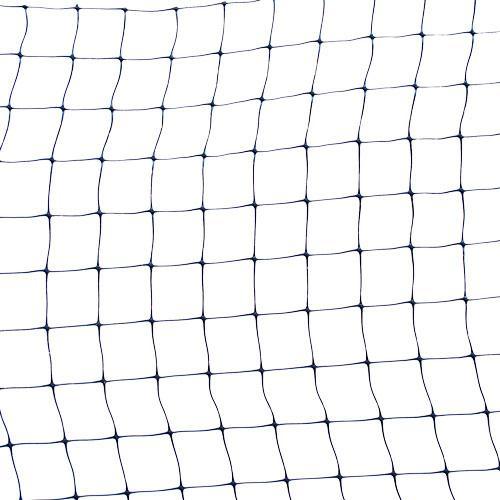
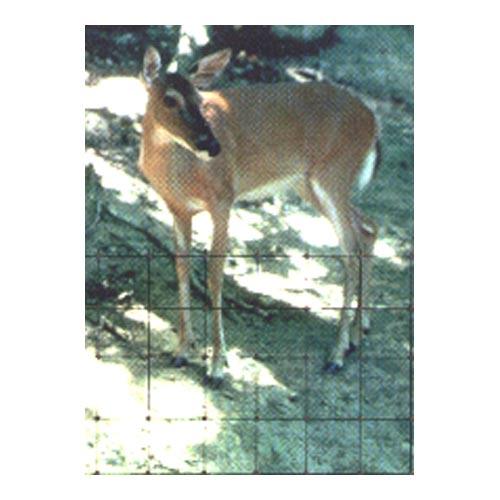
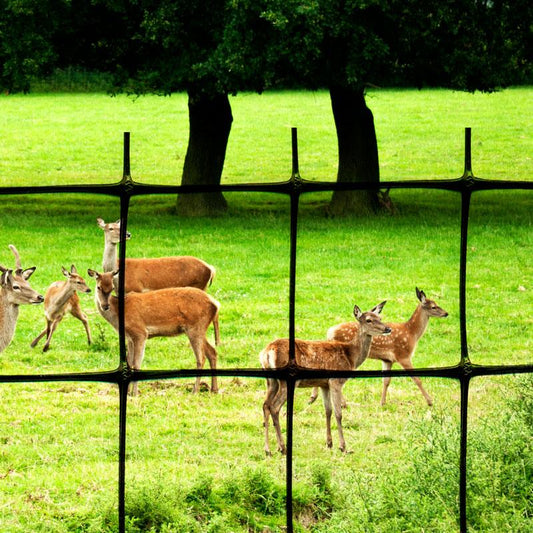
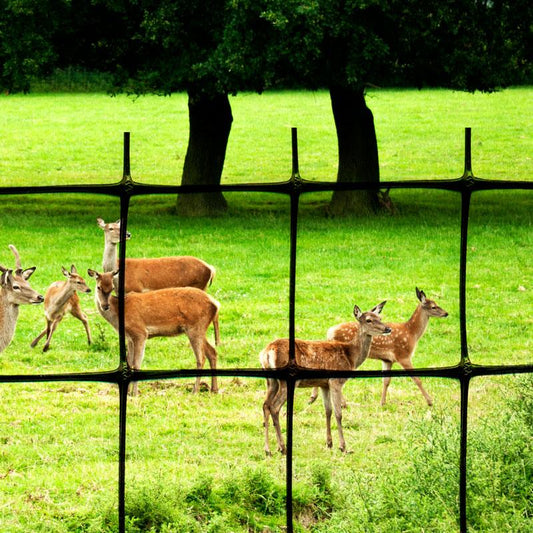
Fencing and netting: Create a physical barrier around a bed, orchard, or landscape area. Height, visibility, anchoring, and gate access affect performance.
-
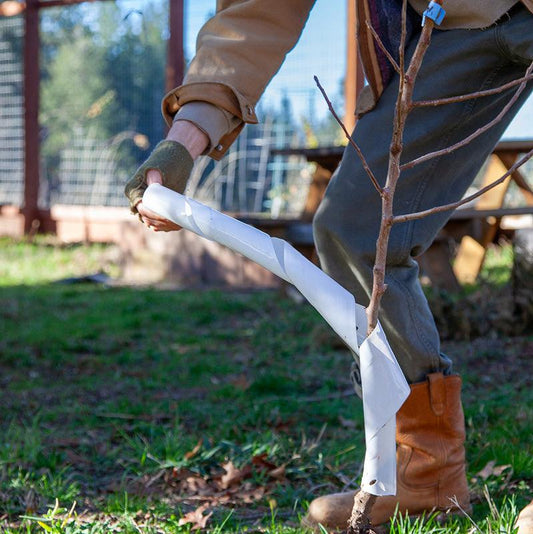
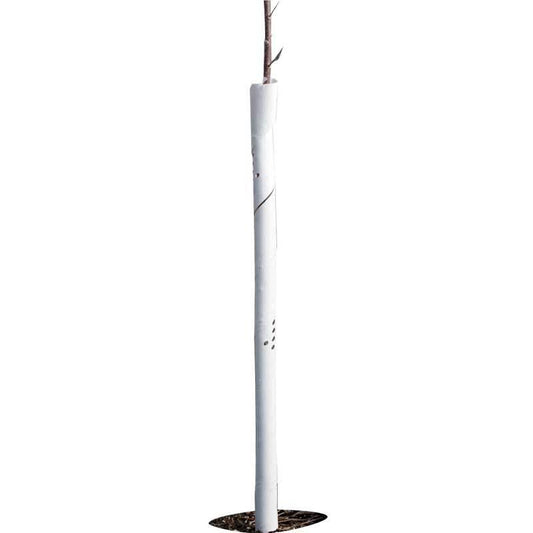
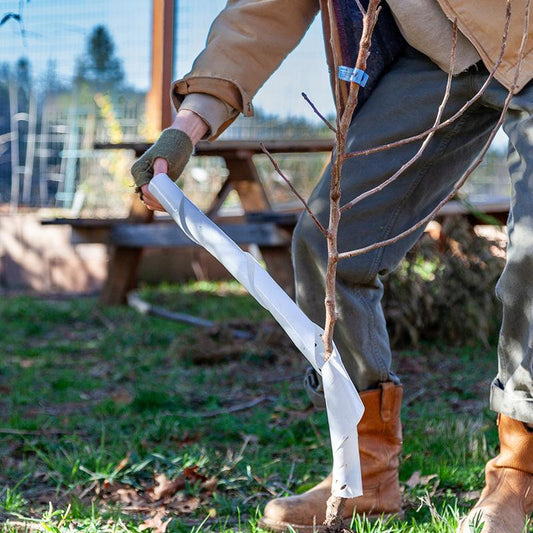
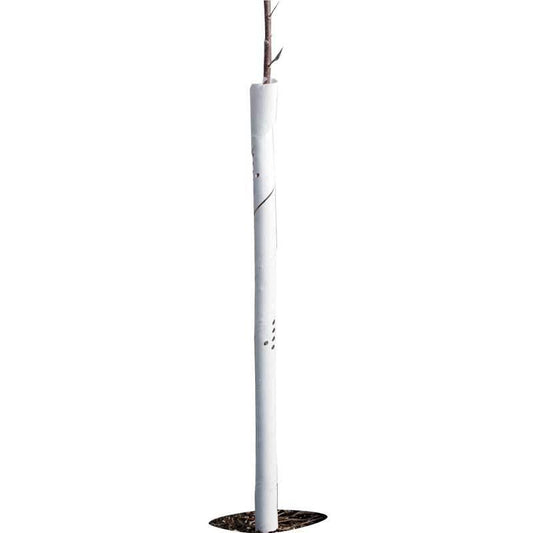
Tree guards: Protect young trunks from browsing and rubbing when sized and installed correctly.
-
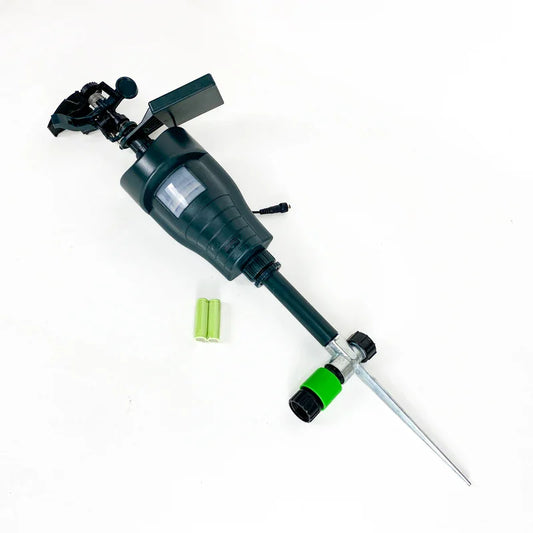
Electronic or motion devices: When available, these may supplement other measures but can vary with placement and deer habituation.
Applying Deer Repellents
Follow product directions for coverage, placement, weather conditions, edible plants, and reapplication. A claim such as “up to 30 days” applies only when stated on that specific label and may change with rain, irrigation, new plant growth, and deer pressure.
Prevent Deer Damage in the Garden
Start protection before browsing becomes established. Inspect fence edges, gates, and newly exposed growth regularly. Combining barriers with a labeled repellent can provide a more complete pathway than relying on one method alone, especially around high-value plants.
Browse additional animal-control products and tree guards.





 Sold out
 Sold out
 Sold out
 Sold out


