
Collection: Fertilizers
Compare products by nutrient analysis, formulation, application method and label directions.

-

Rose & Flowering Fertilizer 2-6-4
Regular price $32.99Sale $32.99Unit price per -

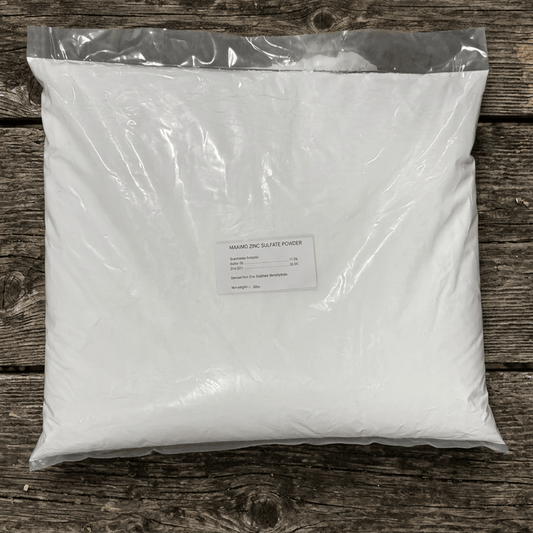
Zinc Sulfate Powder (25 lb bag)
Regular price $54.99Sale $54.99Unit price per$0.00Regular price -


Espoma Rose Tone (4 lb)
Regular price $10.99Sale $10.99Unit price per -


FoxFarm Cal-Mag (1 gal)
Regular price $83.99Sale $83.99Unit price per -

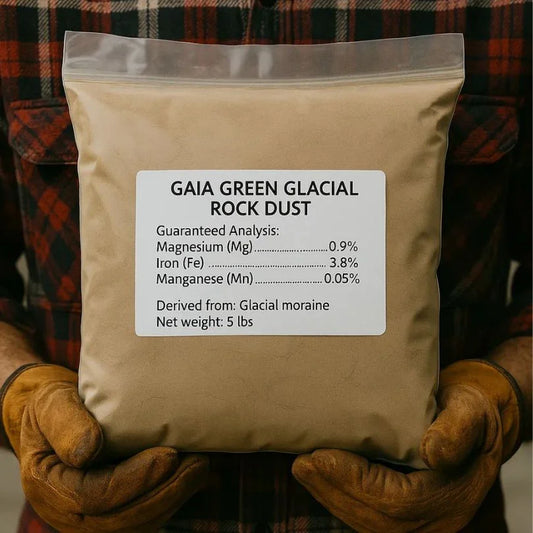
Gaia Green Glacial Rock Dust (5 lb bag)
Regular price $13.49Sale $13.49Unit price per -


Espoma Organic Earthworm Castings (4 qt)
Regular price $12.99Sale $12.99Unit price per -

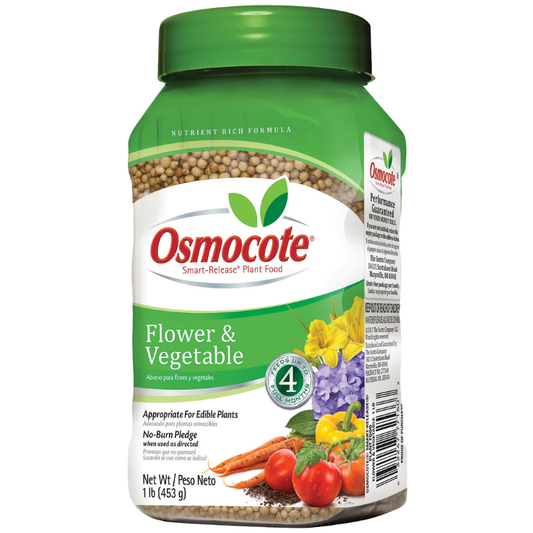
Osmocote Flower & Vegetable Food 1 Lb
Regular price $12.50Sale $12.50Unit price per -


Espoma Organic Azalea-Tone (4 lb)
Regular price $12.99Sale $12.99Unit price per -


Espoma Organic Tree-Tone (4 lb)
Regular price $11.99Sale $11.99Unit price per -


Arber Plant Food
Regular price $26.99Sale $26.99Unit price per -


Cottonseed Meal 6-2-1 (15 lb bag)
Regular price $26.99Sale $26.99Unit price per -


Espoma Organic Potting Soil (8 qt)
Regular price $10.99Sale $10.99Unit price per -


DTE Starter Mix 3-3-3
Regular price $44.79Sale $44.79Unit price per -


Espoma Organic Bio-tone Starter Plus
Regular price $47.99Sale $47.99Unit price per -


Espoma Organic Holly-Tone (4 lb)
Regular price $12.99Sale $12.99Unit price per -

Fish Meal (5 lb bag)
Regular price $13.49Sale $13.49Unit price per -

Phos Fish 1-7-0 (5 Gallon)
Regular price $160.99Sale $160.99Unit price per -

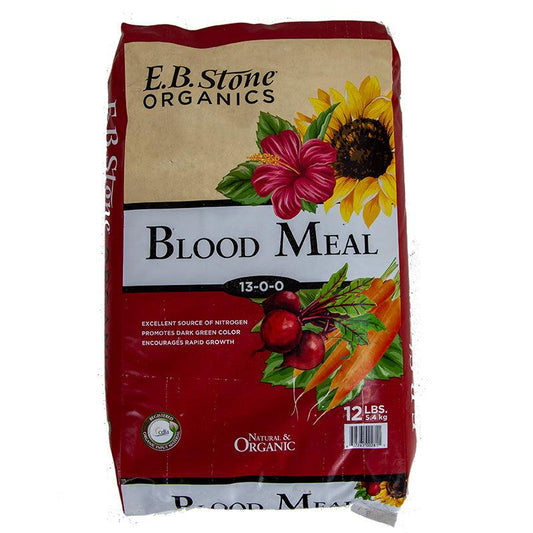
Blood Meal 13-0-0 (12 lb bag)
Regular price $48.99Sale $48.99Unit price per -

Crab & Lobster Shell Fertilizer 5-3-0 (4 lb)
Regular price $26.99Sale $26.99Unit price per -


Espoma Organic Citrus-Tone Citrus & Avocado (4 lb)
Regular price $12.99Sale $12.99Unit price per -


Espoma Organic Tomato-Tone 3-4-6 (8 lb)
Regular price $24.99Sale $24.99Unit price per -

Aqua Power (55 gal)
Regular price $705.99Sale $705.99Unit price per -


Nutri-Rich 4-3-2 Pellets (2000 lb tote)
Regular price $450.00Sale $450.00Unit price per -

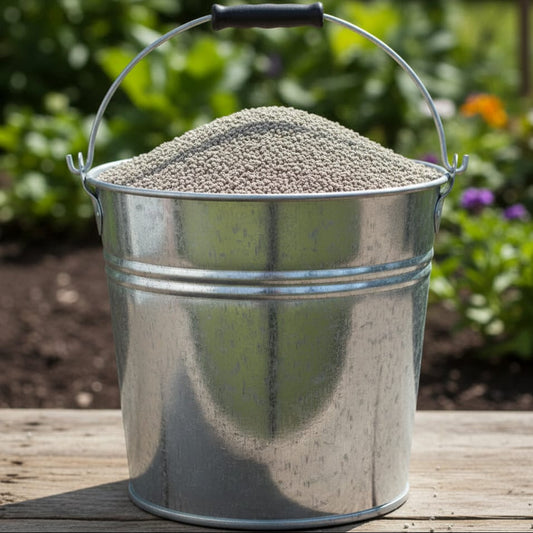
Par 4 Granulated Bone Meal 2-14-0 (5 lb bag)
Regular price $13.49Sale $13.49Unit price per -

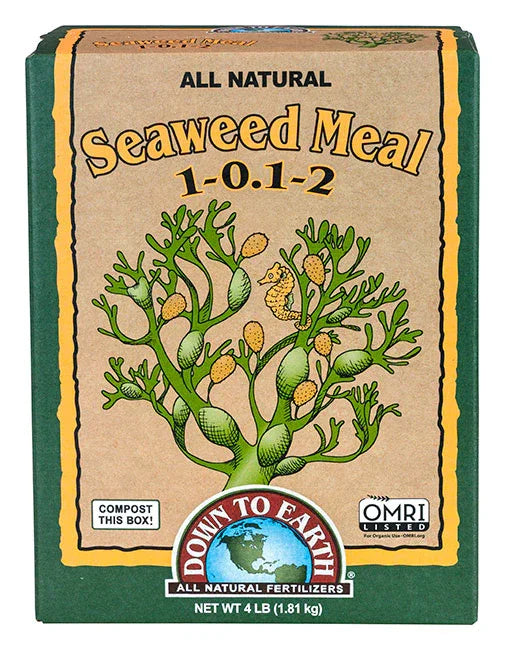
Organic Seaweed Meal 4lb 1-.1-2
Regular price $28.99Sale $28.99Unit price per -
-

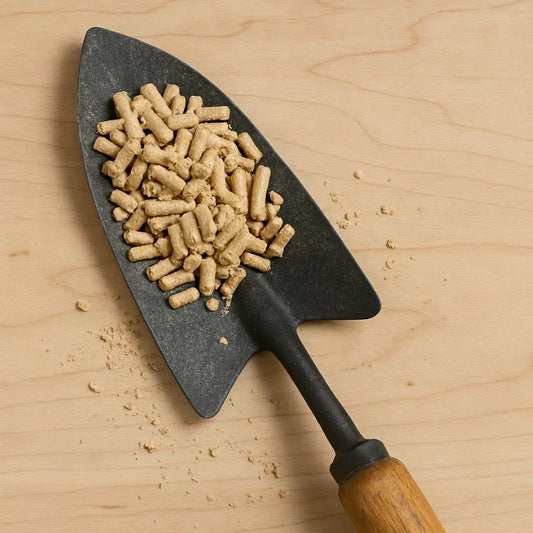
Phyta-Grow Leafy Green Special Fertilizer 7-1-2 (5 lb bag)
Regular price $13.49Sale $13.49Unit price per -
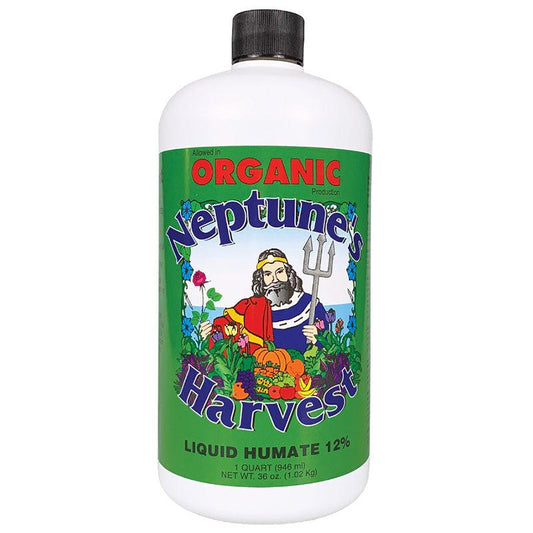
Liquid Humate 12%
Regular price $24.99Sale $24.99Unit price per -

Green Sand (5 lb bag)
Regular price $17.99Sale $17.99Unit price per -

Pre-Plant Plus 7-5-7 (5 lb bag)
Regular price $13.49Sale $13.49Unit price per -


Espoma Bonsai Mix (4 qt)
Regular price $18.99Sale $18.99Unit price per -
New

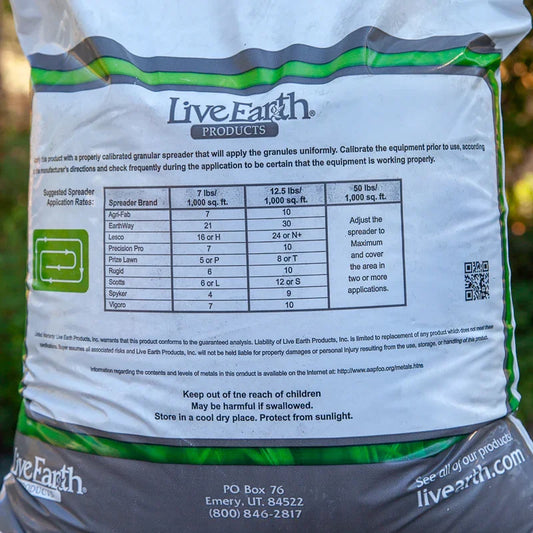
Organic Live Earth Humates Granular 50lbs
Regular price $25.99Sale $25.99Unit price per


Fertilizers for Gardens, Farms & Orchards
Choose a fertilizer based on what you grow and what your soil needs. Compare Citrus & Fruit Tree Food for citrus and fruit trees, or Acid Mix for blueberries and other acid-loving plants. Check the guaranteed analysis, application directions, and organic input status on each product.
Browse organic fertilizer, plant-specific fertilizers, nutrient-specific fertilizers, or soil testing supplies.
How to compare garden fertilizers by crop and coverage
Start with the crop and a soil test. A vegetable bed, an established fruit tree, and a container plant may call for different products. Write down which plants you are feeding and how much ground or how many pots you need to cover. Then compare each label with that list. If a soil test shows adequate phosphorus, use that result to narrow your choices before buying a blend.
Compare all-purpose and crop-specific products
An all-purpose fertilizer is a useful place to start when you need one product for several crops listed on the label. For citrus or other fruit trees, compare the 7-3-3 Citrus & Fruit Tree Food. For blueberries and other acid-loving plants, consider Acid Mix 4-3-6 and confirm that the label suits your crop. For a dry pellet option, compare Nutri-Rich 4-3-2 with the other blends. If your soil test points to a specific nutrient, use the nutrient-specific collection to narrow your search.
Read the analysis and compare the coverage
The three numbers on a fertilizer label describe the product's guaranteed analysis for nitrogen, phosphate, and potash. Compare the numbers together with the label's application rate. The largest bag may not cover the most ground at the rate you need. Use the area of your bed or the number of plants to estimate how much you will use.
Compare liquid and dry forms
Choose a form you can measure and apply with the tools you already use. Some liquid fertilizers are sold as concentrates that are mixed with water. Check the dilution directions and whether your application method is listed. For a dry blend or a pellet, check how the label measures the rate and whether it calls for mixing into the soil or applying at the surface. If you want a slow release fertilizer, check the product label for release characteristics. A pellet shape alone does not tell you how quickly nutrients become available.
Check organic input status before purchase
When shopping for a natural and organic fertilizer, verify the individual product’s current organic input listing and restrictions before buying. This is the broader fertilizer collection. Use the linked organic fertilizer collection for a more focused assortment, and read the label for crops, rates, and handling directions.