
Item Number: SWF5098
North Shore Heirloom Bouquet Sweet Pea Seeds
Royal Horticultural Society Award-Winner






Check Your Zone Compatibility:

Our Guarantee To You
Since 1976, we've served our customers at every stage of growing. Please contact us at any time. We are happy to support and assist you.
Description
Description
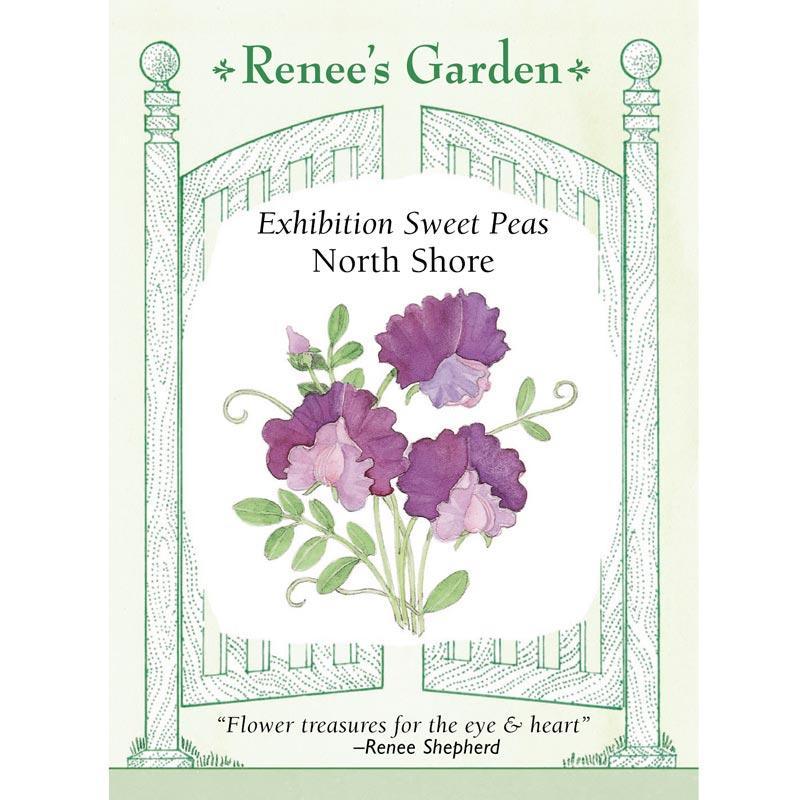
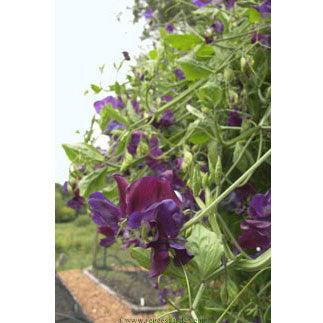
Sweet Pea - North Shore - Lathyrus odoratus This distinctive Royal Horticultural Society award-winner is a showy example of combining the fragrance of old fashioned varieties with the beautiful frilled form of modern exhibition sweet peas. North Shore has luminous bicolor blossoms with big ruffled petals in stained-glass colors of richest claret and violet-blue. These top performing, long stemmed flowers are sweetly perfumed and elegantly formed. They will become the highlight of your late spring and early summer garden and yield distinctive scented bouquets.
Variety Details
- Botanical name: Lathyrus odoratus
- Plant type: Annual
- Growth habit: Vining
- Crop category: Pea
- Recorded feature: Open-Pollinated
- Product format: Seed packet
Sowing & Growing
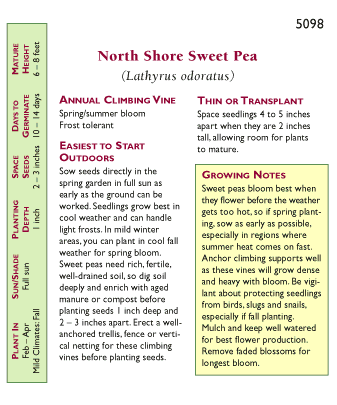
- Soil Temperature: above 50°F
- Planting Depth: 1"
- Germination: 10-14 Days
- Height At Maturity: 6-8 feet
- Sun/Shade: Full Sun
- Spacing After Thinning: 4-5"
Direct sow North Shore Heirloom Bouquet Sweet Pea into a prepared bed during the appropriate cool-season window. Keep the seed zone moist during establishment without leaving it waterlogged, and provide support when the recorded growth habit calls for climbing space. Once plants begin flowering, inspect developing pods regularly and harvest at the size and texture preferred for the kitchen. Local temperature, soil conditions, and harvest stage can affect the time from sowing to usable pods.
Seedlings will form strong root systems, then overwinter to bloom vigorously in the spring.
Plant seeds 1" deep and 2 - 3" apart.
When seedlings are 2" tall, thin to 4-5" apart to allow plants room to mature.
Before sowing North Shore Heirloom Bouquet Sweet Pea, review the packet alongside the current product details and note any range in temperature, germination, or maturity. Ranges reflect biological and seasonal variation rather than a fixed promise. Label each planting with its date and location, then compare emergence, growth, and harvest with local weather. This record is useful for succession plantings and for deciding whether the crop fits better into an earlier or later seasonal window.
Explore related options in our Flower Seeds.
Seed Pack Shipping
Seed Pack Shipping
Qualifying seed-pack-only orders under $50 ship for a $7 flat rate via USPS. Spend $50 or more on qualifying seed packs and receive free USPS shipping. Available within the contiguous 48 states.
Shipping Information
Shipping Information
Shipping Weight: 0.01 lb
Dimensions: 4.5"L x 3.125"W x 0.1"H
Features
Features
- Attracts Bees/Butterflies
- Attracts Hummingbirds
- Fragrant
- Good Cut Flower
- Open-Pollinated
- Requires Staking
- Requires Summer Water
- Useful for Ornamental
Characteristics
Characteristics
Planting & Care
Planting & Care
Soil & Water:Sweet peas must have well-drained soil, so dig deeply and enrich with aged manure or compost before sowing seeds. Water well and mulch as vines grow.
Planting & Growing:Sow seeds in full sun in cool early spring weather (as early as the ground can be worked). In mild winter climates, where the ground does not freeze, sweet peas can be planted in the fall. Erect a well-anchored trellis, fence, or vertical netting for these climbing vines before planting seeds. Seedlings will form strong root systems, then overwinter to bloom vigorously in the spring. Plant seeds 1" deep and 2 - 3" apart. When seedlings are 2" tall, thin to 4-5" apart to allow plants room to mature. Sweet peas bloom best before the weather gets too hot. Where summer heat comes on fast, they'll appreciate a spot with afternoon shade. Anchor supports securely because vines become heavy with bloom. Protect seedlings from birds, slugs, and snails. For longest bloom, pick flowers often and keep faded blossoms cut.
Useful Information
Useful Information
Guarantee
Guarantee

Peaceful Valley Farm & Garden Supply brand vegetable seeds are guaranteed to germinate. Once the seeds have sprouted, please understand that Peaceful Valley cannot be held responsible for the many uncontrollable growing and climatic conditions that must be met to ensure the success of your crop(s).


- Choosing a selection results in a full page refresh.
- Opens in a new window.