
Chard vs Kale vs Spinach: Key Differences Between Swiss Chard, Spinach, and Kale
Swiss chard, kale, and spinach are all popular dark leafy greens, but they are not the same. Many gardeners compare chard vs kale or chard vs spinach when deciding what to plant or cook. While they may look similar in grocery stores, each leafy green vegetable grows differently and has its own flavor and use.
Understanding the differences between swiss chard vs kale and swiss chard vs spinach helps you choose the right crop for your garden and kitchen.
If you are planning to grow your own greens, start with this guide on how to grow swiss chard successfully.

What Makes These Greens Different?
At a glance, kale chard spinach may seem interchangeable, but they belong to different plant families.
- Swiss chard is related to beet greens
- Spinach is a fast-growing cool-season crop
- Kale is part of the cabbage family
This is why comparisons like kale and swiss chard or spinach and chard show both similarities and clear differences.
Swiss chard is sometimes called perpetual spinach because it produces over a long period, unlike true spinach.
Swiss Chard vs Kale
When comparing kale vs chard or kale vs swiss chard, the biggest differences are texture, flavor, and growing conditions.
Swiss chard produces broad, smooth swiss chard leaves with colorful chard stems, especially in rainbow chard varieties. The flavor is mild and slightly sweet.
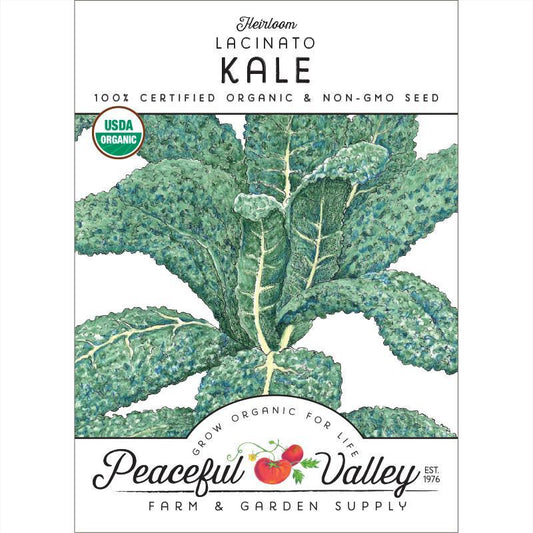
Kale, including curly kale, has thicker, more textured leaves and a stronger flavor.
In the garden:
- Chard grows well in warm weather
- Kale prefers cooler conditions and can improve in flavor after frost
This makes swiss chard kale comparisons important depending on your climate. Many gardeners grow both, since kale and chard complement each other across seasons.

Swiss Chard vs Spinach
The comparison of spinach vs chard or spinach vs swiss chard often comes down to texture and growing season.
Spinach produces soft leaves that are ideal for eating raw in salads, but it bolts quickly in heat.
Swiss chard grows longer and produces larger leaves. It is often used in cooking, though young leaves can also be eaten fresh.
Because of this, gardeners often rely on swiss chard and spinach together. Spinach fills early harvest needs, while chard continues producing later.
This is why spinach and swiss planting combinations are common in home gardens.
Growing Differences
When choosing between kale swiss chard or spinach, growing conditions matter.
- Swiss chard grows steadily in full sun and moderate heat
- Spinach prefers cool weather and shorter growing windows
- Kale is cold-hardy and tolerates frost
Swiss chard is more flexible across seasons, making it a reliable crop for continuous harvest.
For more detailed planting tips, see this complete chard growing guide.

Cooking and Flavor Differences
Each green has its own role in the kitchen.
- Chard works well in sautés and as a simple side dish
- Spinach is best fresh or lightly cooked
- Kale holds up well in longer cooking
To prepare chard, you can thinly slice the stems, cook them first, then add the chard leaves. A squeeze of fresh lemon juice balances the flavor.
Chard is milder than kale and less delicate than spinach, making it a versatile option.
Nutritional Benefits
All three greens are a strong source of vitamins and offer important health benefits.
- Swiss chard provides vitamins A, C, and K
- Kale is rich in antioxidants
- Spinach contains iron and folate
Including a mix of chard spinach and kale in your diet gives a broader range of nutrients.

Choosing the Right Chard Varieties
If you want to grow chard alongside other greens, choosing the right variety helps.
-
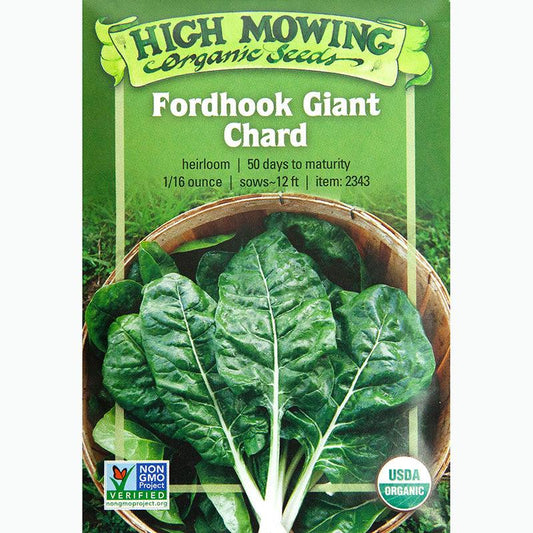
Fordhook Giant Chard Seeds (Organic)
- A reliable variety with large leaves. Learn more in this guide to Fordhook Giant chard characteristics
-
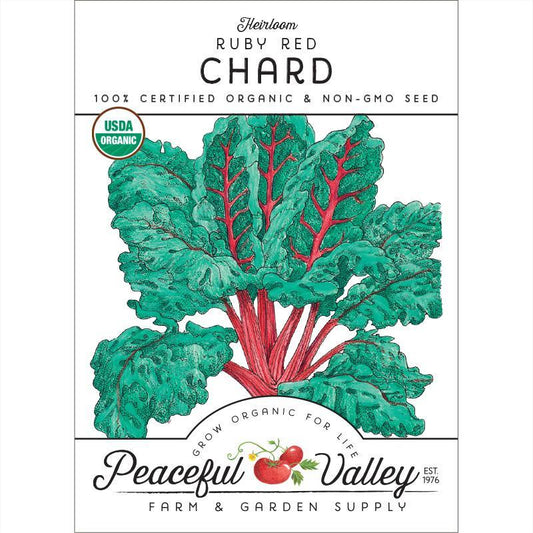
Red Ruby Chard Seeds (Organic)
- Known for strong growth and colorful stems. See how it performs in growing ruby red chard in warm climates
-
Five Color Silverbeet Chard Seeds (Organic)
- A colorful mix that produces rainbow chard
Explore more options in this collection of organic chard seeds.
Conclusion
When comparing swiss chard versus spinach and kale, each green offers something different. Chard provides steady production and flexibility, spinach offers quick harvests, and kale brings cold tolerance and strong flavor.
Understanding the differences between chard and spinach, kale, and other greens helps you plan better harvests and make better use of your garden space.