Humid air does not prove that roots have enough water, and a dry-looking surface does not prove that the full root zone is dry. Northern summer irrigation works best when gardeners measure active-root moisture, observe plant recovery, and inspect the system from source to outlet before changing runtime.
Use the short-summer garden plan for whole-garden priorities, the summer IPM guide when leaf symptoms may involve humidity or disease, and the fast-maturing crop guide when water availability affects whether another planting can finish.
Compare summer water conditions across the region
| Area | Typical summer pattern | What to check | Practical response |
|---|---|---|---|
| Upper Midwest plains | Wind, heat, and uneven storms can create rapid wet-to-dry swings. | Pressure, emitter output, root-zone moisture, and overnight recovery | Repair uneven delivery and adjust zones from measured need. |
| Great Lakes belts and shore zones | Humidity and localized rain can coexist with dry roots and long leaf wetness. | Actual recharge, canopy airflow, wetting depth, and drainage | Favor root-zone delivery and avoid unnecessary foliage wetting. |
| Northern interior Northeast | Cool nights reduce demand, but shallow or sandy soils may still dry quickly. | Soil texture, root depth, crop stage, and forecast heat | Change frequency or duration only after checking the active root zone. |
| Coastal and upland New England | Coastal moderation contrasts with upland exposure and cold-air pockets. | Wind, elevation, rain distribution, and low-point drainage | Separate beds with different exposure, roots, and water demand. |
Rainfall totals and controller runtime are starting information, not proof of delivery. Treat irrigation scheduling and stormwater routing as connected but separate decisions.
Irrigation and drainage decision tree
- If outdoor work is unsafe, stop and follow official guidance.
- If the plant is stressed, compare overnight recovery and active-root moisture.
- If roots are adequately moist, investigate heat, cold, salts, roots, pests or saturation rather than watering.
- If roots are dry, inspect source, filter, pressure, leaks and end emitters.
- If delivery is uneven, correct the hydraulic fault before increasing volume.
- If water ponds, channels or runs off, reduce application intensity, reposition or test pulses.
- If a storm, freeze or crop change alters demand, revise from new observations.
- Document wetting, runoff and the next check.
Observation checklist
- Source and current restrictions are known.
- Filter, regulator, valves and laterals are serviceable.
- Beginning/end and high/low positions are compared.
- Wetting reaches the active root volume.
- Runoff, ponding, erosion and deep loss are checked.
- Containers, annuals, young perennials and established perennials have separate decisions.
- Mulch is moved for inspection and replaced with crown/trunk clearance.
- Programs reflect current crop, weather, freeze and storm conditions.
Audit source to root and outlet
Spring saturation delays work; summer irrigation need varies with soil and rainfall; freeze-proof shutdown and snowmelt routing matter; lake-influenced humidity can make overhead irrigation risky.
Zone drip by crop and soil, reduce evaporation, inspect emitters, adapt to humidity or wind, and preserve infiltration for intense summer storms. Regional constraint: Spring saturation delays work; summer irrigation need varies with soil and rainfall; freeze-proof shutdown and snowmelt routing matter; lake-influenced humidity can make overhead irrigation risky. Inspect during and after a measured application or storm. Rainfall at a gauge is not proof of useful root-zone recharge, and irrigation runtime is not proof of delivery.
Use water-quality and salinity evidence carefully
Crusting, clogged emitters and marginal burn have multiple causes. Review irrigation water, soil, drainage and input history; use an appropriate laboratory when the question is material. Do not prescribe leaching unless water quality, drainage, crop, legal discharge and measured need all support it. Flushing can waste water or move nutrients.
Test water movement at representative points
Run a defined zone or observe a storm, then inspect the beginning and end of laterals, high and low ground, exposed and sheltered beds and a perennial root zone. Note when ponding or runoff begins and where the wetting front reaches after redistribution. One surface reading cannot describe the whole root volume. Repeat after a repair under similar starting conditions so the comparison is useful.
Route rainfall without creating a new hazard
Rain harvesting begins with a legal, stable flow path and a protected overflow. Keep concentrated water away from structures, septic areas, contaminated surfaces and unstable slopes. An infiltration basin must match soil, antecedent moisture and storm intensity; a garden feature is not an engineering solution for flash flooding. Follow current local rainwater rules and use qualified site assessment when consequences are material.
Reset or winterize from the actual transition
Declining demand may justify shorter or less frequent irrigation only after root-zone measurements confirm it. A freeze-prone system may need drainage or winterization according to equipment and local exposure, while an actively producing mild-zone bed may still require service. Map every closed valve and capped outlet, test the remaining zones and remove temporary controller overrides when the original reason no longer applies.
Use observations to adjust irrigation
| Observation | Question | Useful response |
|---|---|---|
| Plants wilt in afternoon heat | Are roots dry, saturated, or adequately moist, and do plants recover overnight? | Water only when root-zone evidence supports it; otherwise investigate heat or root stress. |
| Pressure or end-emitter output is low | Is the filter clogged, regulator mismatched, line leaking, or zone oversized? | Correct the hydraulic fault before increasing runtime. |
| Water ponds or runs off | Is application intensity exceeding infiltration or is drainage blocked? | Reposition emitters, reduce intensity, test pulses, or correct drainage. |
| Rain is forecast or has just fallen | How deeply did useful water reach and where did excess flow? | Skip or shorten irrigation only after checking the active root zone. |
| Humidity and leaf wetness increase | Can water be delivered without extending foliage wetness? | Use root-zone delivery, improve airflow, and irrigate at an appropriate time. |
| A crop finishes or frost approaches | Which zones still serve active roots and which components need protection? | Remap, test, drain, or winterize only the affected system parts. |
Check whether the water practice is helping
| Practice | Expected benefit | What to measure |
|---|---|---|
| Pressure regulation matched to the system | More stable operating pressure | Pressure at representative points, leaks, and emitter performance |
| Filtration matched to the water source | Less emitter clogging | Filter condition, flushing debris, and beginning-to-end output |
| Emitters selected and placed for the crop | Water delivered within the active root area | Emitter rate, spacing, wetting depth, and dry gaps |
| Zoning by crop and root volume | Fewer overwatered and underwatered plants on one schedule | Root-zone moisture, runoff, and recovery in each zone |
| Pulse irrigation where infiltration is slow | Less ponding and runoff | Time to runoff, wetting depth, and drainage after redistribution |
| Field meters used with plant and soil observations | Comparable measurements over time | Meter readings, sampling depth, weather, crop stage, and plant response |
These components perform different functions. Timers automate valve operation but do not decide whether irrigation is needed, and meters provide readings that still require interpretation. Keep a practice only when measured delivery and plant response justify its water, energy, plastic, and maintenance costs.
How local conditions change irrigation
Great Lakes humidity: Tomatoes can show leaf problems after long wet periods even when roots need little additional water. Probe the root zone and shorten foliage wetness rather than watering from appearance alone.
Upper Midwest drying wind: A zone that worked during calm weather may no longer wet the full active root area. Compare first and last emitters, sheltered and exposed beds, and overnight crop recovery before extending runtime.
New England heat spike: Shallow-rooted annuals and young perennials may need different zones from established plants. Check each root volume rather than applying one emergency schedule to the whole garden.
For step-by-step system care, see Irrigation Maintenance and Drip Irrigation — Save Water. Verify that each component matches the water source, pressure, crop, and layout.
Plan water management across seasons and nearby climates
Use fall irrigation guidance for shutdown and rain management, winter guidance for snowmelt and spring drainage planning, and spring guidance for restarting systems after thaw.
If your site shares conditions with the Rockies, Oregon, or Washington summer regions, compare only the practices that fit your water source, soil, exposure, humidity, and crop demand.
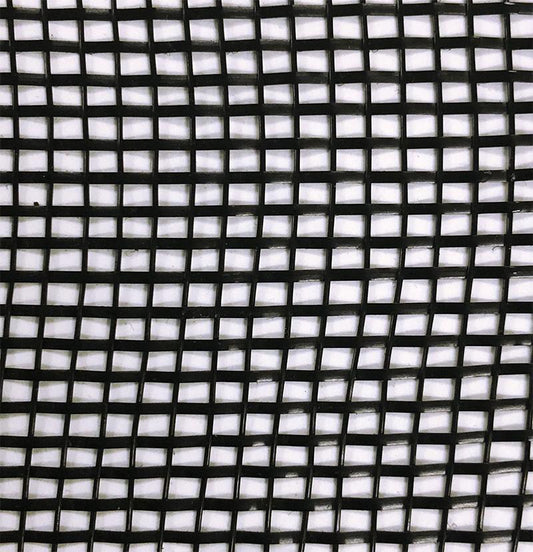
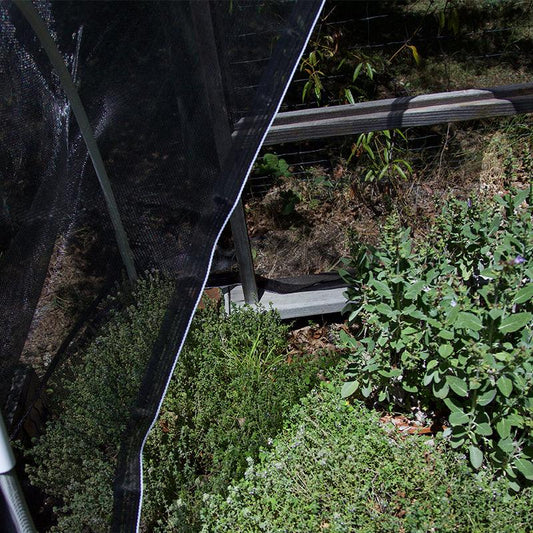
Use shade cloth only when light and heat exposure support it: Shade percentage describes how much incoming solar radiation the fabric is designed to block; it does not measure irrigation need or promise a particular temperature reduction. Compare crop light requirements, measured exposure, root-zone moisture, airflow, canopy height, wind, and the structure’s load capacity before choosing a density. Install cloth above foliage where practical, keep emitters and inspection paths accessible, and anchor it for the site. Recheck canopy recovery, leaf color, moisture, airflow, disease pressure, and fasteners after heat or wind. Repair filtration, pressure, delivery, or zoning when the wetting pattern is inadequate—shade cloth cannot substitute for water reaching the roots, and excessive shade can slow growth.
Choose irrigation components by function
After diagnosing the system, compare irrigation and watering components, drip-irrigation parts, or field meters. Regulators stabilize operating pressure, filters reduce clogging when matched to the source, emitters control delivery rate and placement, and zoning separates plants with different demands. Check compatibility, current availability, instructions, and measurements before purchasing. A timer or meter cannot correct a leak, clogged line, poor drainage, or an unsuitable schedule by itself.
Record results and next steps
Record the zone, water source, pressure or output, wetting depth, runoff, repair, controller change, and the condition that should prompt another inspection. Photograph wetting patterns and problem areas from consistent positions. Seek qualified local help when drainage, water quality, backflow, or legal restrictions require site-specific advice.
Plan for summer water risks
Heat, drought, humidity, storms, smoke, hail, early frost, and water restrictions can change demand or safe access. Note the early sign, likely consequence, and safe response for the hazards that apply. Reassess zones after a major change rather than leaving temporary controller settings in place.
Account for water, materials, and maintenance
Shade, covers, mulch, and irrigation can reduce one stress while creating another through poor airflow, excess moisture, plastic replacement, or unsafe loads. Record water, energy, imported material, maintenance, labor, and disposal. Keep the practice only when root-zone measurements, plant recovery, and system performance justify those costs.