What Not to Plant Near a Black Walnut Tree (Juglone Toxicity Guide)

What Not to Plant Near a Black Walnut Tree: A Guide to Choosing Black Walnut Companion Plants - Grow Organic

Black Walnut Toxicity Explained: What Not to Plant Near a Black Walnut Tree and the Best Juglone-Tolerant Companion Plants

Black walnut trees (Juglans nigra) are valued for shade, timber, and nuts—but they can be challenging for gardeners. Black walnut produces juglone, a natural compound that can injure sensitive plants, especially within and near the tree’s root zone. If you’re searching “what not to plant near a black walnut tree” or wondering why plants struggle under a walnut tree, this guide covers the basics, the most common juglone-sensitive plants to avoid, and reliable options that tend to tolerate juglone.

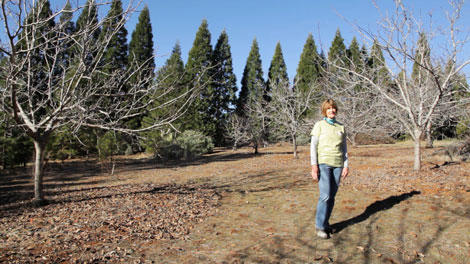
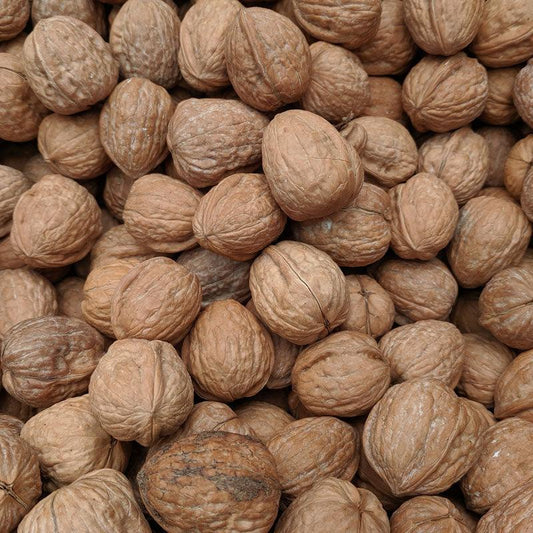
Mature walnut trees in an orchard

Quick Answer: What Not to Plant Near a Black Walnut Tree

Most often damaged (avoid under the canopy/dripline and within the root zone):

  • Nightshades: tomatoes, potatoes, peppers, eggplant
  • Other vegetables often listed as sensitive: asparagus, peas, cabbage-family crops (varies by site)
  • Fruits/shrubs often listed as sensitive: apples, blueberries, blackberries (and other brambles)
  • Ornamentals often listed as sensitive: azalea, rhododendron, lilac

Usually better choices (commonly listed as juglone-tolerant):

  • Vegetables: beans, corn, carrots, beets, onions, squash, melons, parsnips
  • Ornamentals/groundcovers: hosta, ferns, coral bells, sweet woodruff
  • Tip: If you must grow sensitive plants nearby, use deep raised beds with clean soil and keep walnut debris out.

Understanding Black Walnut Tree Toxicity (Juglone)

What is juglone?

Juglone (5-hydroxy-1,4-naphthoquinone) is an allelopathic compound produced by black walnut. It occurs in many parts of the tree—especially roots and nut hulls—and can inhibit growth in certain sensitive plants. Toxic effects are usually strongest under the canopy/dripline, where roots and leaf/hull debris are most concentrated.

How far does juglone reach?

Many university and arboretum resources describe the highest risk within the dripline and the broader root zone, with effects sometimes reported roughly 50–80 feet from a mature tree depending on conditions. The key takeaway: the closer you garden to the trunk and under the canopy, the more likely sensitive plants will struggle.

Is it juglone—or shade and dry roots?

Not every “failure under a walnut tree” is juglone. Dense shade, dry soil, and root competition can also cause wilting, yellowing, and stunted growth. If a plant fails repeatedly only near a black walnut (but thrives elsewhere), juglone sensitivity becomes more likely.

What Not to Plant Near a Black Walnut Tree

The plants below are frequently cited as juglone-sensitive. Sensitivity can vary by variety, soil drainage, rainfall, and distance from the tree, but these are the most common “avoid” picks for gardens located under a black walnut canopy or within the root zone.

Category Often Sensitive / Higher Risk Near Black Walnut
Vegetables Tomatoes, potatoes, peppers, eggplant; asparagus; peas; and some cabbage-family crops (site dependent)
Fruits & berries Apples; blueberries; blackberries/other brambles (especially within the canopy area)
Ornamentals Azalea, rhododendron, lilac (commonly listed as sensitive)

Workaround: If you want to grow sensitive plants “near” a black walnut, build deep raised beds (or use containers) with juglone-free soil and keep walnut leaves, hulls, and twigs out of the bed.

Best Black Walnut Companion Plants (Juglone-Tolerant Options)

Many plants grow well near black walnut. The best approach is to choose species commonly listed as juglone-tolerant and then match them to the site conditions (shade, moisture, and root competition).

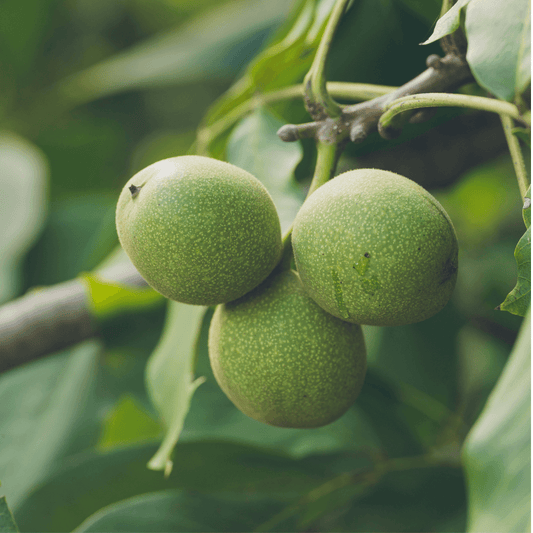
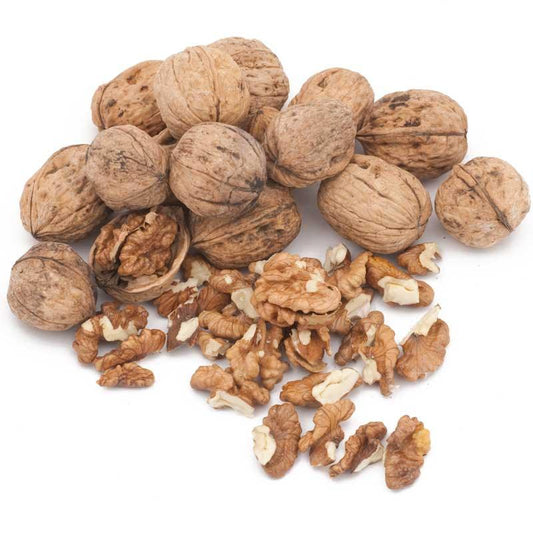
Walnuts growing on a branch

Vegetables commonly listed as juglone-tolerant

Trees & shrubs that are often reported as tolerant

  • Elderberry, persimmon, plus many established landscape trees (examples often include oaks and some maples depending on the site).

Perennials, groundcovers & shade-friendly companions

For more planting ideas, browse potted trees and shrubs suited to mixed plantings.

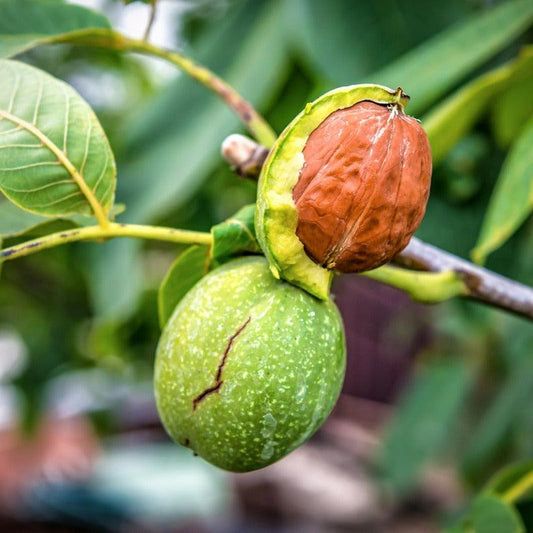
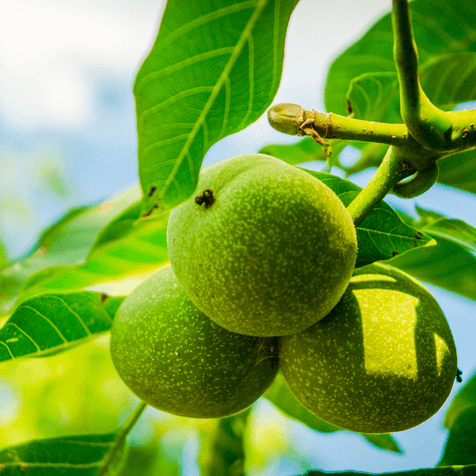
Walnuts hanging on a branch

How to Successfully Garden Near Black Walnut Trees

  • Start with distance: Place sensitive plants outside the canopy area and as far from the trunk as practical. The dripline is the highest-risk zone.
  • Use raised beds (the right way): Build deep beds with clean soil and keep walnut leaves, hulls, and twigs out of the bed.
  • Clean up debris: Rake and remove fallen leaves and husks to limit juglone buildup where you’re trying to garden.
  • Manage shade and moisture: Most sites under walnut are dry and shaded—pick shade-tolerant plants and water deeply when establishing new plantings.
  • Trial before you commit: Try a small test planting with a “tolerant” species list before installing a full bed.

If you’re gardening under partial shade, this guide can help with light management: protect plants with shade cloth.

Conclusion

Black walnut doesn’t have to mean a barren garden. With smart plant selection, careful debris management, and raised beds where needed, you can build a productive, juglone-aware planting plan that works around your walnut tree. For more planting inspiration, browse walnut trees and plan your landscape with juglone in mind.


FAQs About Black Walnut Tree Toxicity (Juglone)

How far should a garden be from a black walnut tree?
The highest risk is under the canopy/dripline where roots and walnut debris are most concentrated. Many resources describe effects in the broader root zone and commonly cite roughly 50–80 feet for mature trees depending on site conditions.
What are the most sensitive plants to juglone?
Nightshade crops (tomatoes, potatoes, peppers, eggplant) are commonly listed as sensitive. Several ornamentals (like azalea/rhododendron/lilac) are also frequently listed as higher-risk near black walnut.
What vegetables can grow near black walnut trees?
Commonly listed tolerant vegetables include beans, corn, carrots, beets, onions, squash, melons, and parsnips. Site conditions still matter—especially shade and dry soil under mature trees.
Can I grow tomatoes in a raised bed near a black walnut?
Often yes—if the bed is deep, filled with clean soil, and you prevent walnut roots and walnut debris (leaves/hulls/twigs) from mixing into the bed. If possible, place the bed beyond the canopy edge.
Can I compost black walnut leaves or use walnut wood chips as mulch?
It’s best to avoid using black walnut leaves/hulls/wood chips directly as mulch or compost around juglone-sensitive garden plants. A safer approach is to keep walnut debris out of vegetable beds and choose tolerant plants in the walnut zone.
Does English walnut have the same toxicity as black walnut?
Black walnut is generally cited as the stronger juglone producer. Other Juglans species can also cause issues, but black walnut is the most commonly associated with plant damage in landscapes.
How do I know if a plant is being affected by juglone?
Symptoms often include wilting, yellowing, and poor growth that persists despite watering. Because shade, dryness, and root competition can look similar, compare performance: if the plant thrives elsewhere but repeatedly fails near the walnut, juglone sensitivity is more likely.
How long can juglone persist in soil after removing a black walnut tree?
Persistence depends on how quickly roots and debris break down and on moisture/aeration. In general, allow time for roots to decompose and focus on improving soil conditions (air, moisture balance, organic matter) if you plan to plant sensitive species in that area.
Back to blog

71 comments

Siacr8, the highest amount of the juglone is in the roots, nut hulls, and smaller branches. There is less amount in the leaves and actual bark. Plus the compost has been cooking for 4 years. I think you are ok. Just do not put any old roots, nut hulls and such as mentioned into your pile.

Suzanne at GrowOrganic.com

Mixed some old composted woodchips and bark from various trees from a pile that was at least 4 years old..as im sifting after mixing it into my yard compost i am finding old whole black walnuts..most chips turn to dirt/dust when squeezed..but ive collected this added material from the bottom of the piles..and raspberries and most vegetables are already in a diluted mix of this…have i killed my tomatoes and raspberries? Too much conflicting info available..confused..should i go for it or abort while its early? Im in mendocino county in northern california.

Siacr8

Victoria, What I have read is that the roots can exude juglone as they decay for several years. So if you want to plant right away, you should go with plants that are not sensitive to the juglone. The other option is to wait for a couple of years for the roots to decay.

Suzanne at GrowOrganic.com

Victoria, What I have read is that the roots can exude juglone as they decay for several years. So if you want to plant right away, you should go with plants that are not sensitive to the juglone. The other option is to wait for a couple of years for the roots to decay.

Suzanne at GrowOrganic.com

Removed a storm damaged walnut tree last fall and the root ball will be removed in a few weeks. We want to plant evergreens or some other tree that will hide the buildings behind in the space that the walnut and its roots were. How long before the soil is “clear” of the toxins and we can plant without fear our investment will die?

Victoria Lowrey

Leave a comment

Please note, comments need to be approved before they are published.

Related Products

1 of 5