

Black walnut (Juglans nigra) produces juglone and related compounds. Some plants perform poorly within the walnut root zone, but juglone is not the only possible cause: dense shade, dry soil, root competition, drainage, disease, and herbicide injury can produce similar symptoms.
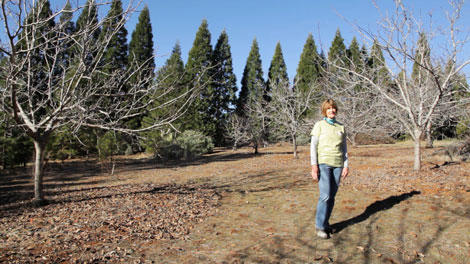
Where Risk Is Highest
Juglone occurs throughout the tree, with higher concentrations reported in roots, buds, and nut hulls. Problems are most likely under the canopy and wherever living or decaying roots occupy the soil. A mature tree's roots may extend beyond the dripline, so distance from the trunk is only an estimate.
Removing a walnut does not remove all roots immediately. Sensitive plants may still be affected while root pieces decay, and large-tree removal has cost, safety, shade, and habitat consequences.
Plant-Tolerance Lists Are Starting Points
Extension lists are built from observations and reports made under different soils and climates. A species described as “tolerant” is not guaranteed to thrive; a plant described as “sensitive” may fail for several interacting reasons.
Plants Commonly Listed as Sensitive
- Tomato, pepper, eggplant, and potato
- Blueberry and some other fruit crops
- Azalea, rhododendron, lilac, and selected ornamentals
Plants Commonly Reported as More Tolerant
- Beans, corn, carrots, beets, onions, squash, and selected other vegetables
- Ferns, coral bells, sweet woodruff, and selected shade-adapted perennials
Cultivar, soil, drainage, irrigation, tree size, and root contact can change the outcome. Confirm choices with a local extension source and test a small number of plants before committing an entire bed.
How to Plan a Garden Near a Walnut
- Map the site. Note the trunk, canopy, likely root zone, sun hours, irrigation reach, and wet or dry areas.
- Choose the least risky location. Put sensitive vegetables and fruit as far from the walnut root zone as practical.
- Use containers when separation matters. Large containers with clean media provide more reliable root separation than a shallow raised bed.
- Manage raised beds realistically. A deep bed with a durable root barrier can delay root entry, but barriers need inspection and may not remain effective indefinitely.
- Keep fresh hulls and roots out of sensitive beds. Follow local guidance before using walnut leaves or chips; thoroughly composted material behaves differently from fresh debris.
- Trial and record. Note plant, cultivar, distance, light, soil moisture, and results over more than one season.
Diagnosing Wilting or Yellowing
Check soil moisture at root depth, sun exposure, drainage, roots, vascular discoloration, insects, disease signs, and recent chemical use. Do not assume juglone from location alone. A local extension office or plant-diagnostic clinic can help distinguish toxicity from wilt disease, root rot, drought, or herbicide injury.




71 comments
Mary, I don’t see okra listed as sensitive to black walnut, so you should be ok. Okra needs full sun, so you don’t want to plant it too close to the tree anyway.
Mary, I don’t see okra listed as sensitive to black walnut, so you should be ok. Okra needs full sun, so you don’t want to plant it too close to the tree anyway.
What about okra growing near black walnut?
Cypress trees that we planted next to and somewhat within our 1000 tree black walnut plantation are thriving for the past 25 yrs.
Hi! Do you know whether cypresses will grow near black walnuts? Thanks!