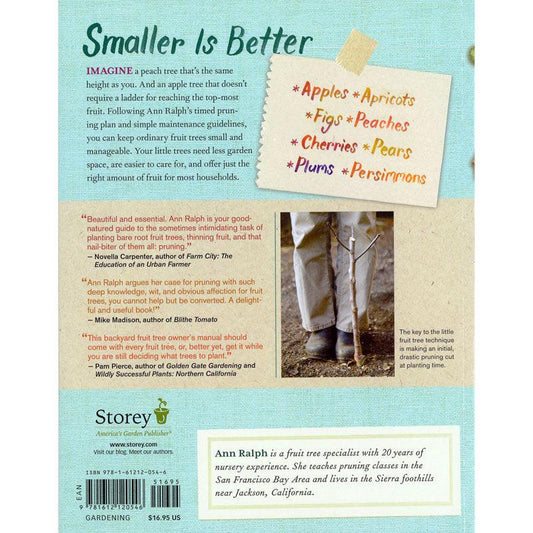
Fruit-tree pruning advice changes with the tree’s species, age, framework, condition, and the grower’s objective. This resource page directs readers to the focused guide that best fits the situation instead of repeating the complete pruning process.
Start with the primary guide, How to Prune Fruit Trees, for cut types, branch collars, tools, safety, and the questions to answer before pruning.
Choose the Situation That Matches Your Tree
Newly Planted or Young Tree
Confirm the tree’s identity, graft location, intended training system, rootstock characteristics, and product-specific planting instructions before making structural cuts. Do not apply one standard heading height to every tree. A whip, feathered tree, multi-graft tree, and tree already trained by the nursery require different decisions.
Use Bare Root Tree Care for planting and first-year establishment, then return to the pruning pillar for foundational technique.
Choosing a Training System
For a comparison of central leader, open center, and modified central leader frameworks, see Modified Central Leader Pruning for Fruit Trees. Match the system to the species, cultivar, rootstock, spacing, and local recommendations rather than treating one form as universally best.
Multi-Graft Tree
Identify and map every graft before cutting. If one graft is beginning to dominate, use How to Balance Vigor in Multi-Grafted Trees. If a branch is dying, damaged, or failing to fruit, use the multi-graft troubleshooting guide.
High-Density Home Orchard
When several trees share a smaller managed space, pruning is part of the spacing and size-control plan. See High-Density Fruit Tree Planting before adopting cuts from a conventional orchard system.
Summer Size Control or Light Management
Summer pruning affects an actively growing tree and should not be treated as a routine requirement for every species. The Summer Pruning and Thinning video provides a visual overview. Species-specific disease and weather considerations still determine whether and when it is appropriate.
Cherry or Apricot
These trees can have important regional timing and disease considerations. Use the summer cherry and apricot pruning video as supplementary content and confirm the recommendation with local extension guidance.
Neglected or Mature Tree
Large limbs, decay, structural defects, and work at height introduce serious risk. Renovation should usually be staged, and a qualified arborist may be needed. Use the mature-tree renovation series for orientation rather than as a substitute for an on-site assessment.
When Local Guidance Is Essential
Consult a local cooperative extension service or qualified tree professional when timing is influenced by a regional disease, when the species is unfamiliar, when a major structural change is planned, or when cutting requires climbing, a chainsaw, or work near utilities.
Tools and Shopping
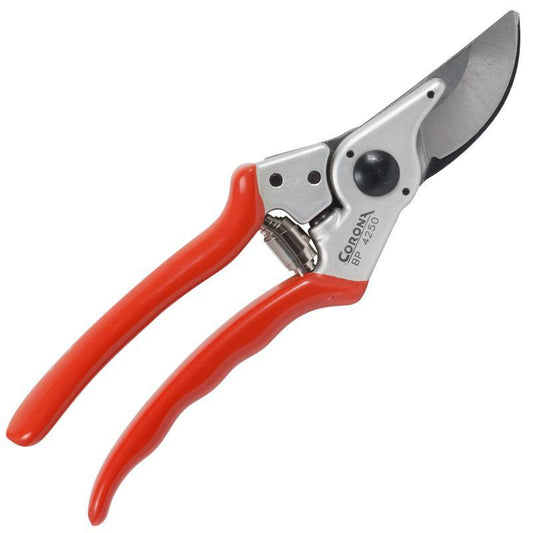
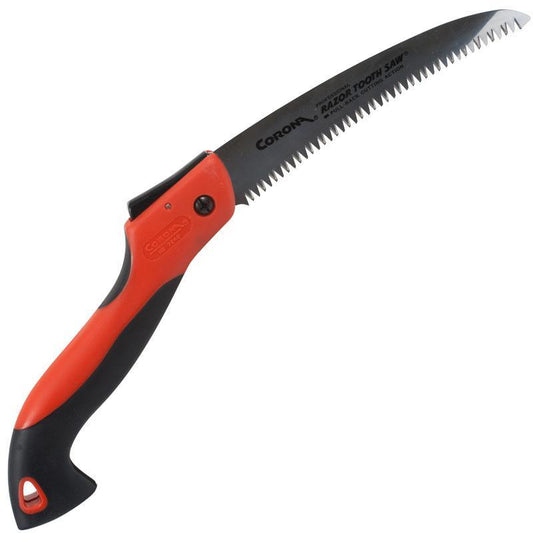
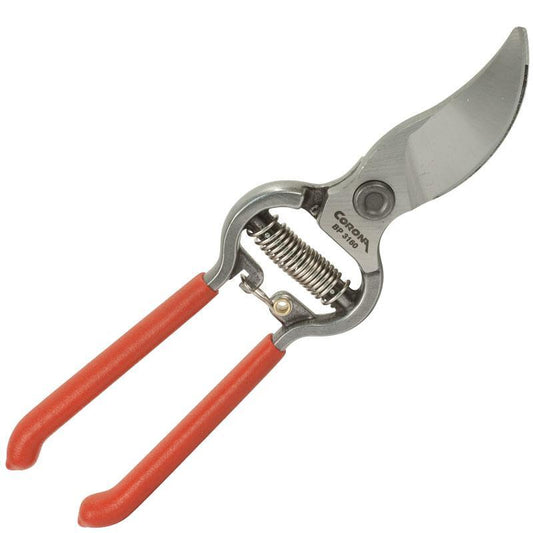
Select tools based on branch diameter and the work you can perform safely. Keep them sharp and use them according to the manufacturer’s instructions. Browse Pruning & Cutting Tools; this page does not recommend a specific tool without knowing the job.