Pruning fruit trees builds a strong framework, keeps fruit and branches within reach, improves light and airflow, and renews productive wood. The right approach depends on the tree’s age, species, rootstock, training system, climate, and condition. This guide covers the essential decisions and cuts, while the linked supporting guides provide species-specific and seasonal detail.
Watch the demonstration below for an open-center approach on a young peach tree, then use the written guidance to determine whether that system and timing are appropriate for your tree.
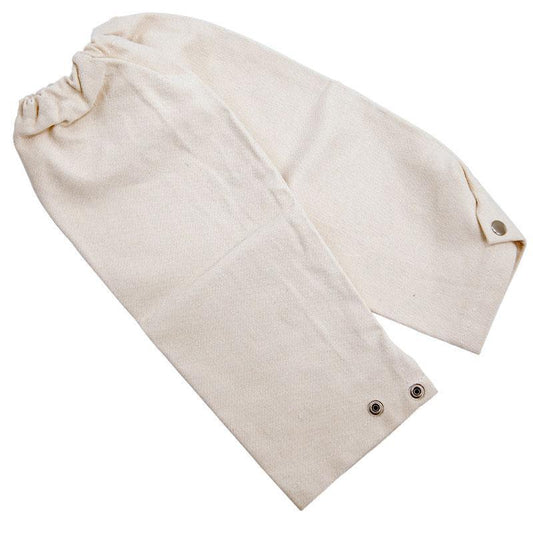
Shop orchard pruning tools or visit Fruit Tree Central for the complete orchard resource library.
Why Prune a Fruit Tree?
Each pruning cut should serve a clear purpose:
- Remove dead, damaged, diseased, rubbing, or broken wood.
- Develop strong scaffold branches with useful spacing and attachment angles.
- Admit sunlight and air into the canopy.
- Keep the tree at a manageable height and width.
- Balance vegetative growth with flower and fruit production.
- Renew aging fruiting wood where the species requires it.
- Remove rootstock suckers and vigorous watersprouts that do not contribute to the chosen structure.
More pruning is not automatically better. Heavy pruning—especially on a young tree—can delay bearing and stimulate vigorous leafy regrowth. Start with a plan, make the fewest cuts needed, and reassess the tree as you work.
When to Prune Fruit Trees
For many deciduous fruit trees, structural pruning is done in late winter or early spring after the coldest weather has passed but before active growth begins. Dormant branches are easy to see, and dormant pruning generally produces a stronger growth response.
Timing is not universal:
- Summer pruning can help control size, improve light, and reduce vigorous regrowth, but excessive leaf removal can weaken a tree or expose branches and fruit to sunburn.
- Apricots and cherries are often pruned during dry summer weather in regions where wet-season pruning increases the risk of bacterial or fungal canker. Local disease pressure and climate matter.
- Dead, broken, hazardous, or actively diseased wood may require prompt attention rather than waiting for the normal pruning season.
- Newly planted bare root trees may need initial training cuts at planting, but the exact cut depends on branching, species, rootstock, and the intended system.
For a deeper seasonal decision, read When to Prune Fruit Trees and Summer Pruning Fruit Trees. When canker diseases are common locally, follow your Cooperative Extension’s species-specific timing recommendations and prune during a forecast dry period.
Choose the Training System Before You Cut
The training system is the long-term framework of trunks and scaffold branches. Do not remove a central leader simply because an open-center system appears in the video.
- Open center or vase: several primary scaffolds grow outward around an open middle. Commonly used for peaches, nectarines, and many other spreading stone fruits.
- Central leader: one main upright leader supports tiers of lateral scaffolds. Common for apples, pears, and trees with naturally upright growth.
- Modified central leader: begins with a leader and transitions to a more open structure as the framework develops.
- Espalier and high-density systems: require deliberate branch placement, support, and recurring pruning to maintain a restricted form.
- Multi-graft trees: require balanced pruning so one vigorous graft does not dominate or shade the others.
Choose the system that fits the species, rootstock, site, space, and management commitment. See Fruit Tree Training Systems, High-Density Fruit Tree Planting and Pruning, and Balancing a Multi-Graft Fruit Tree.
Heading Cuts and Thinning Cuts
Heading cuts
A heading cut shortens a shoot or branch, usually to a bud or suitable lateral. It typically stimulates branching and vigorous growth below the cut. On a young tree, heading can help establish height and scaffold development; used repeatedly or without a plan, it can create crowded regrowth.
When heading to a bud, choose one facing the direction you want the new shoot to grow. Cut just above the bud without leaving a long stub or damaging it.
Thinning cuts
A thinning cut removes a branch or shoot at its point of origin. It opens the canopy with less concentrated regrowth than a heading cut. Preserve the branch collar—the slightly raised tissue at the branch base—and do not cut flush against the trunk.
Reduction cuts
A reduction cut shortens a branch back to a lateral branch capable of assuming its role. This is preferable to indiscriminate topping, which leaves stubs and often produces weak, crowded shoots.
How to Prune a Fruit Tree Step by Step
- Identify the tree and its intended system. Confirm species, age, rootstock, existing form, and whether the tree bears on shoots, one-year wood, or spurs.
- Inspect before cutting. Look for dead wood, damage, disease symptoms, graft unions, rootstock suckers, crowded limbs, and the strongest existing scaffolds.
- Remove urgent problems first. Take out dead, broken, rubbing, badly damaged, or clearly diseased branches using appropriate sanitation practices.
- Remove rootstock growth. Cut suckers arising below the graft union back to their origin.
- Protect the framework. Retain well-positioned scaffolds and remove competing leaders or poorly placed branches only when they conflict with the chosen form.
- Open the canopy selectively. Use thinning cuts to improve light and airflow rather than stripping out large areas.
- Control height with reduction cuts. Cut back to suitable laterals instead of topping branches at arbitrary points.
- Balance the tree. Step back frequently and compare all sides. Avoid removing too much living canopy in one session.
Pruning a Newly Planted Bare Root Tree
Initial pruning establishes the framework and balances the top with the young root system, but not every new tree should receive the same cut.
- An unbranched “whip” may be headed at a height appropriate for the desired first scaffolds.
- A branched tree may already have useful lateral branches that should be retained and shortened rather than removed.
- A peach intended for an open center can be trained to outward-growing scaffolds, as shown in the video.
- An apple or pear intended for a central leader should normally retain a suitable leader.
- Damaged roots or branches should be addressed without routine severe root pruning.
Before making irreversible planting-day cuts, review Pruning Young Fruit Trees and the training recommendation for the species. Then follow How to Plant a Bare Root Fruit Tree for planting depth and establishment care.
Pruning Mature or Neglected Trees
Mature trees need maintenance rather than repeated re-creation of their framework. Preserve sound structure, thin crowded growth, renew fruiting wood as appropriate, and keep productive branches accessible.
A neglected tree should usually be renovated over multiple seasons. Removing several large limbs at once can trigger excessive watersprouts, expose bark to sunburn, reduce the crop abruptly, and create large wounds. Begin with dead or hazardous wood, restore light gradually, and retain enough healthy canopy to support the tree.
For advanced situations, see Renovating a Mature Fruit Tree and Specialized Fruit Tree Pruning Advice.
Safe Cuts, Clean Tools and Large Branches
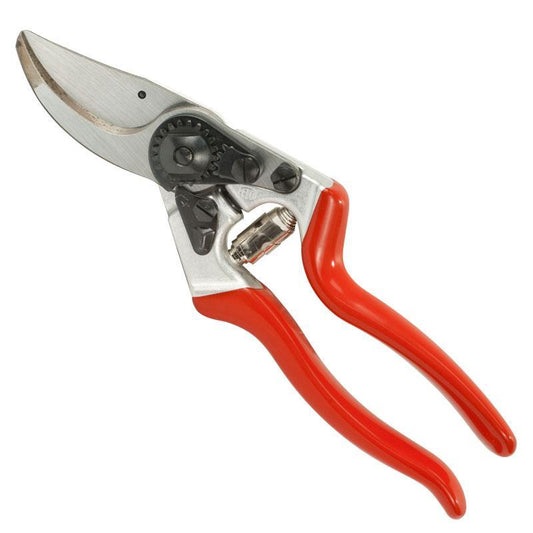
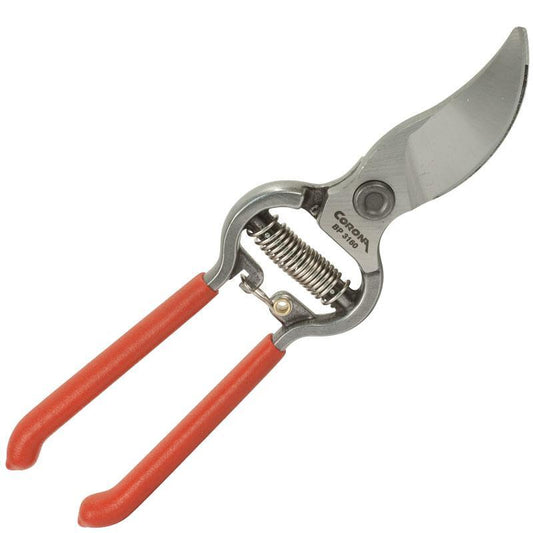
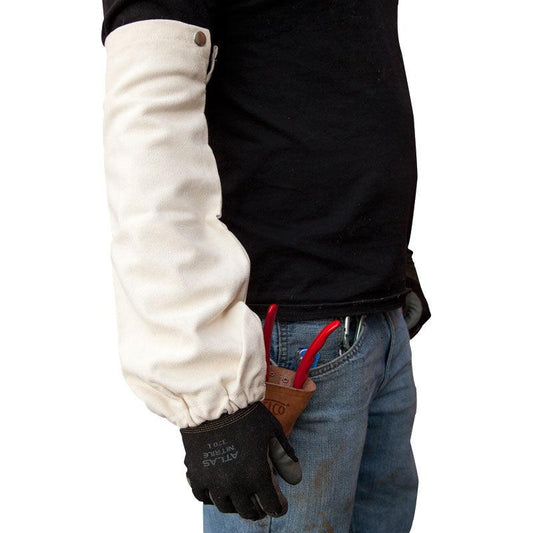
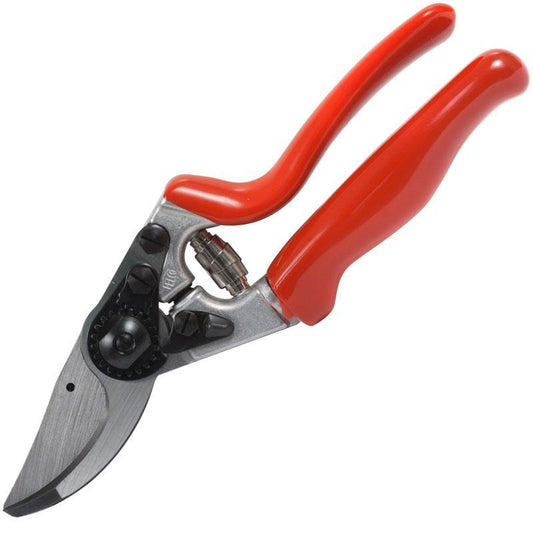
- Use sharp bypass pruners for small live shoots, loppers for larger branches within their rated capacity, and a pruning saw for larger wood.
- Preserve the branch collar; do not make flush cuts or leave long stubs.
- Use a three-cut method for a heavy branch so its weight cannot tear bark down the trunk.
- Keep hands clear of closing blades and work from stable footing.
- Do not prune from an unsecured ladder or near utility lines; use a qualified professional for hazardous or inaccessible work.
- Clean tools and use disease-specific sanitation practices when cutting infected wood. Routine wound paint is generally unnecessary unless current local guidance recommends a treatment for a particular pest or disease.
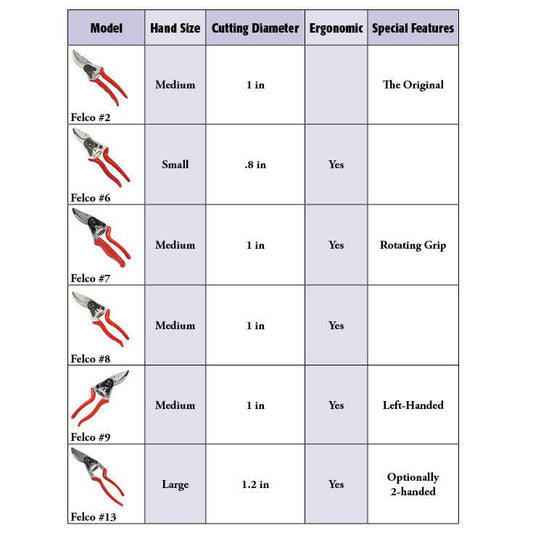
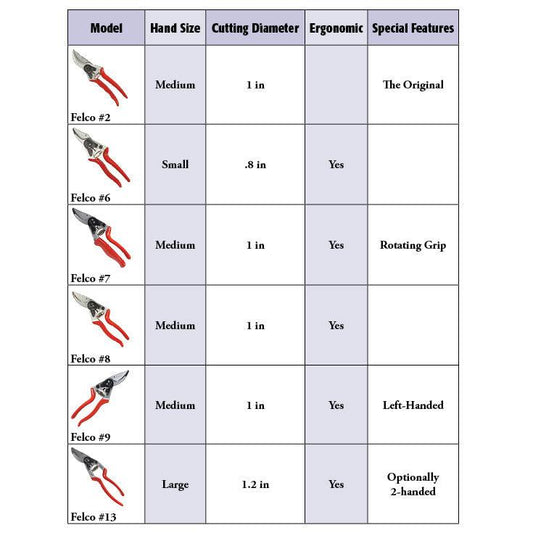
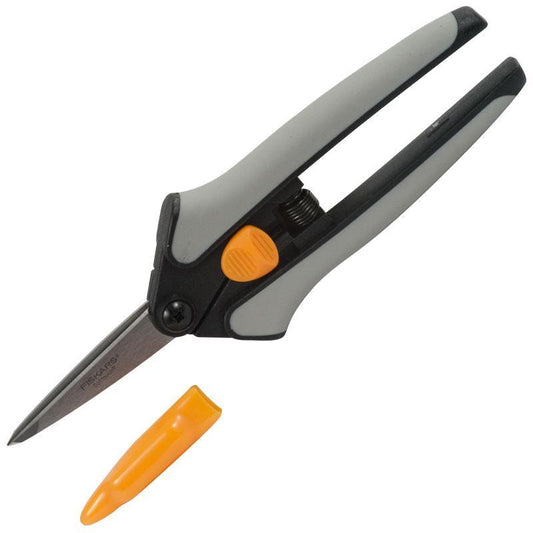
Choose the right equipment with How to Choose a Pruning Tool and browse orchard pruners, loppers, and saws.
Common Fruit Tree Pruning Mistakes
- Pruning without first choosing a training system.
- Removing the leader from a tree intended for central-leader training.
- Topping branches instead of reducing them to appropriate laterals.
- Making flush cuts through the branch collar.
- Leaving long stubs that cannot seal properly.
- Removing too much canopy from a young or stressed tree.
- Pruning apricots or cherries during wet weather where canker diseases are a concern.
- Allowing watersprouts, rootstock suckers, or one multi-graft variety to dominate.
- Trying to renovate a neglected tree in a single season.
Frequently Asked Questions
What is the best month to prune fruit trees?
There is no universal month. Many trees are structurally pruned in late winter before growth begins, while apricots and cherries may be better pruned during dry summer weather in regions with canker risk. Follow species-specific local guidance.
Should every fruit tree have an open center?
No. Open-center training is common for peaches and other spreading stone fruits, while apples and pears are often trained to a central or modified leader. The correct form depends on the tree and growing system.
How much can I remove at one time?
Remove only what is needed to meet the pruning goal. Young, stressed, or neglected trees are especially vulnerable to excessive pruning; major renovation should normally be spread across seasons.
Do pruning cuts need sealant?
Routine wound dressing is generally not recommended. Make a clean cut just outside the branch collar and follow local guidance if a particular pest or disease creates an exception.