Introduction
Buying the right amount of seed starts with your space, not packet size. Measure your beds, choose crops, and count how many plants you want. Then allow for seeds that fail to sprout and any repeat sowings.
This garden planning guide explains the math for vegetables, transplants, and lawns. Keep your notes so next year’s order is easier. A plan also helps you avoid buying more than you can use.

1. Start With Plant Spacing
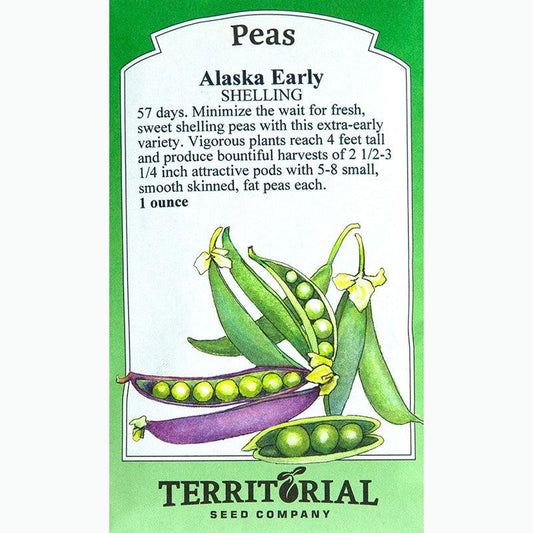
Before shopping, check the seed packet for sowing and final spacing. These may differ because some crops need thinning. Our seed-packet guide explains what to look for.
For rows, use:
Row length in inches ÷ final spacing in inches = approximate plant count
A 10-foot row is 120 inches long. At six-inch spacing, it holds about 20 plants. Allow space between rows and at bed edges.
For several rows, multiply by the number that fit. Do not count paths as growing space. Leave enough room to reach plants for watering, thinning, and harvest.
If you are starting from scratch, our first vegetable garden guide helps you map paths and planting space.
2. Adjust for Germination and Repeat Sowings
The germination rate tells you the share of seeds expected to sprout under suitable test conditions. Outdoor results may be lower because of pests, crusted soil, or poor moisture.
For a simple estimate:
Target plants ÷ germination rate as a decimal = seeds needed
For 20 plants at an assumed 80% rate, calculate 20 ÷ 0.80 = 25 seeds. This estimates sprouting, not guaranteed survival.
Test older seed before relying on it. Our seed storage video covers testing and storage.
Multiply the number of seeds by your planned sowings. Use our succession planting guide to choose realistic dates. Check that each batch has time to grow before heat, frost, or short days limit the crop.
Copy This Order Worksheet
These are hypothetical examples, not crop-specific rates.
| Item | Direct-sown example | Transplant example |
|---|---|---|
| Target plants per sowing | 20 | 8 |
| Number of sowings | 2 | 1 |
| Assumed germination | 80% | 90% |
| Seeds after rounding each sowing up | 50 | 9 |
| Extra seeds for backups | 5 | 1 |
| Total needed | 55 | 10 |
| Suitable seeds already owned | 15 | 0 |
| Seeds to buy | 40 | 10 |
| Assumed seeds per packet | 30 | 20 |
| Packets to buy | 2 | 1 |
Choose a reserve based on past losses. Do not double every order. Round packet purchases up only after subtracting usable seed on hand.
In the direct-sown example, two packets supply 60 seeds. You need 40 more seeds, leaving 20 from the purchase for later use. Label leftovers and store them properly.

3. Match the Method to the Crop
There is no fixed answer to how many seeds per plant. For transplants, plan garden positions first, then a few backup seedlings. Starting extra cells can give you replacements without crowding every cell.
Likewise, how many seeds per hole depends on the crop and seed quality. Follow packet directions and thin when needed. Crowded seedlings compete for light, water, and space.
For baby greens or mixed flowers, use the stated area-based rate. Different seed types need different spacing. Do not apply mature-plant spacing to dense baby-leaf crops.
Once your garden planning is complete, compare vegetable seeds, herb seeds, and flower seeds. Check current counts before choosing packets or bulk sizes.
Bulk seed may suit long rows or repeated sowings. For a small trial, a packet may leave fewer unused seeds. Compare the amount you will plant, not just the price per ounce.
4. Calculate Lawn Seed Separately
Start by measuring your lawn. Subtract paths and planted beds. The amount of grass seed depends on the mix and whether you are filling existing grass or establishing new turf.
Kentucky bluegrass and perennial ryegrass are cool season grasses, but their seeding rates differ. Follow the label for your types of grass.
Convert the Label Rate
A grass seed calculator uses the same basic math:
Lawn area in square feet ÷ 1,000 × labeled pounds per 1,000 square feet = lbs of seed
If a label calls for three pounds per 1,000 square feet, 500 square feet needs 1.5 pounds.
To find how much grass seed per square foot, divide the labeled pounds-per-1,000 rate by 1,000. For how much grass seed per acre, multiply that same rate by 43.56.
For how much grass seed for overseeding, use the label’s overseeding rate. Too much lawn seed causes crowding. Adding too much grass seed does not replace proper lawn care.
Calibrate broadcast spreaders before sowing. Good soil contact and light watering help seed germination; keep the surface moist without washing seed away. University of Minnesota Extension explains establishment.
Conclusion
Answer “how much seed do I need” by measuring, checking rates, and counting repeat sowings. Subtract usable leftovers before ordering. Visit our Seed Learning Center for crop guidance.
FAQs About Calculating How Many Seeds You Need
How do I calculate how many seeds I need?
What happens if you plant too many seeds together?
Does one seed equal one plant?
What seeds should not be planted together?
Can I just throw grass seed on the ground and it will grow?