Introduction
Before putting your garden to bed, test drip emitter flow while conditions are still above freezing. A wet patch shows that water arrived, but not whether each plant received the expected amount.
A simple drip emitter output test helps reveal uneven watering. Record problems now so your drip irrigation system is ready for spring.

Start With Matching Emitters
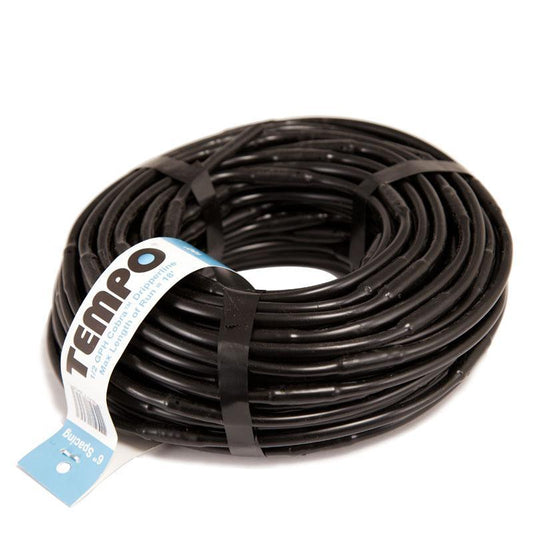
A Drip Emitter releases water slowly near roots. If you wonder “what is dripper,” it is another name for this outlet.
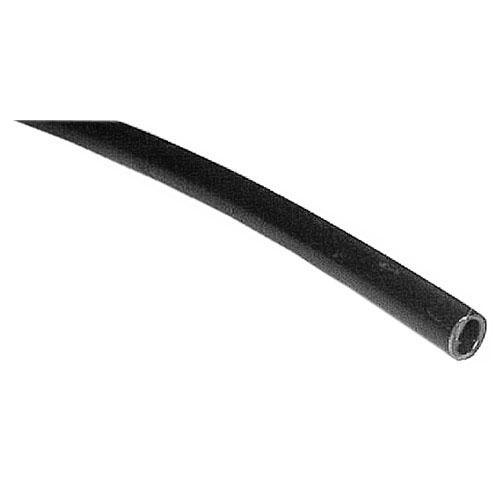
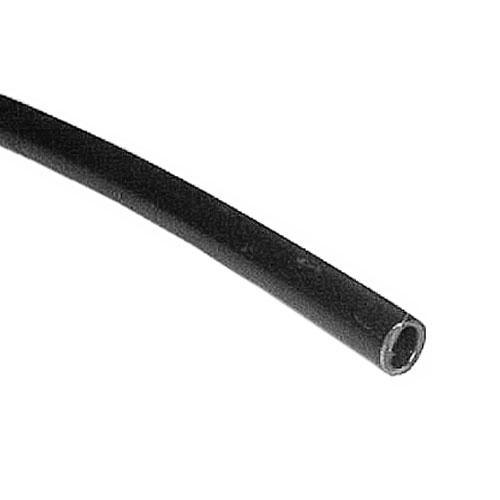
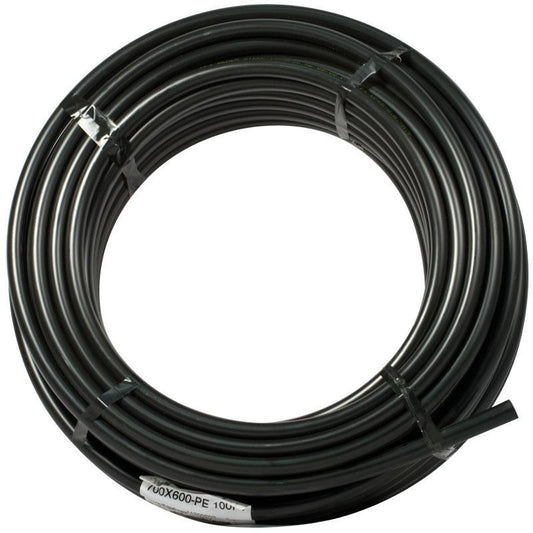
Compare the same type of emitter with the same rated output. Check drip tubing for leaks and kinks first. Our drip systems guide explains component choices, while the tubing and emitter guide shows how they deliver water.
Run a Drip Irrigation Catch Test
Collect and measure
Use marked cups and a timer. Run one zone normally and allow flow to settle.
- Sample matching outlets near the beginning, middle, and end of your drip lines, plus problem spots.
- Catch each outlet’s water for exactly one minute without disconnecting it or bending the tubing.
- Measure the volume of water in milliliters.
- Repeat under the same conditions to check unexpected readings.
This adapts UC Cooperative Extension’s emitter-sampling method for a small garden.
Calculate emitter flow rate
Gallons per hour = milliliters collected × 60 ÷ minutes ÷ 3,785
For example, a fictional one-minute catch of 63 mL gives approximately 1 gallon per hour.
Keep a simple record:
| Location | mL collected | Minutes | Repair | Retest |
|---|---|---|---|---|
| ____ | ____ | ____ | ____ | ____ |
A few samples screen for problems. They do not provide a full assessment of drip irrigation distribution uniformity.

Choose Products After Finding the Problem
Low output may involve clogging, leaks, or pressure regulation. Different water supplies also bring different filtration needs.
- Water Pressure Gauge with Female Hose Thread, 0–160 psi: Checks pressure, not flow. Its maximum reading is not a safe operating target.
- Compensating Emitter, Black, 1 GPH: Available among drip irrigation emitters. Match connections and rated output before replacing irrigation emitters.
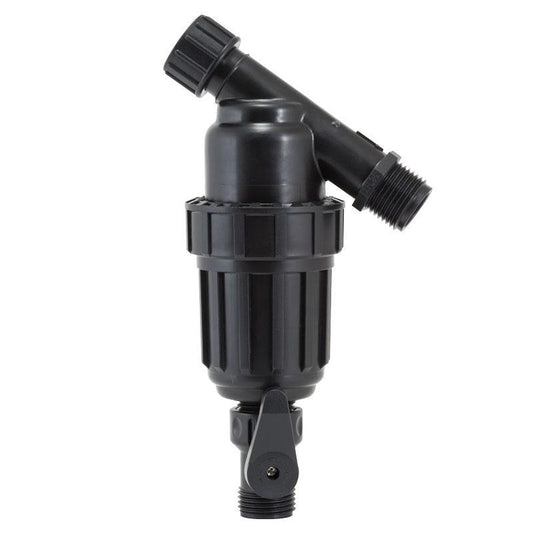
- ¾-inch Flushable Y Filter, FHT × MHT: Compare it with other filters, checking screen requirements and system capacity.
Pressure compensating emitters help stabilize output only within their specified water pressures. Review clog prevention and faucet setup, including backflow prevention.
Conclusion: Save Your Results
Reliable flow supports plant growth, but the right amount of water also depends on soil type and soil moisture. Use your records when watering plants next season, and add repairs to your winter garden checklist.