Introduction
One garden bed can escape frost while another turns white overnight. Even within a small yard, slopes, walls, and shelter can change how quickly plants lose heat.
Finding garden frost pockets helps you plan before tender crops suffer damage. You do not need a full weather station. A simple sketch, suitable thermometers, and several nights of readings can reveal which beds need attention first.

Why Some Garden Spots Freeze First
A frost pocket is a place where cold air collects. On clear, calm nights, the ground loses heat and cools air nearby. Dense, cold air can move downhill and settle in low-lying areas.
A shallow frost hollow may therefore become colder than the surrounding area. A solid fence across a slope can also slow cold-air drainage.
What happens during an inversion?
A temperature inversion, also called a thermal inversion, occurs when colder air sits below warmer air. Near ground level, plants may face freezing conditions even when a weather station reports temperatures above freezing.
However, strong winds and an incoming cold air mass can produce a different pattern. A sheltered spot is not guaranteed protection during a widespread freeze.
Start With a Garden Walk
Begin garden microclimate mapping before cold weather arrives. Sketch beds, slopes, walls, fences, and fruit trees.
Mark a bowl-shaped low spot “Frost basin” as a place to investigate. A smaller dip could be labeled “Frost depression.” These are descriptive labels, not separate scientific categories.
Visit in the early morning. Note frost, lingering shade, and places where cold seems to settle. An enclosed low corner may act as a frost trap, but confirm it with readings.
Also mark warmer-looking sites. In the United States, south facing slopes generally receive more sun. A masonry wall absorbs heat and may release some after sunset. Nearby buildings and pavement can contribute to a heat island effect.
Your local climate still matters. Higher altitudes are often colder overall, while valley bottoms can be colder than nearby slopes during an inversion.

Measure Before You Move Plants
Keep thermometer placement consistent
Good garden thermometer placement makes comparisons useful. First, run sensors side by side to check whether their readings agree.
Then place them at matching heights near the crops you want to compare. Use similar ventilated radiation shields, which reduce errors from direct sun and exposure to the sky. Follow the instrument’s weather-exposure instructions.
An example layout is:
| Sensor | Location | Setup |
|---|---|---|
| A | Lowest bed | Shielded at crop height |
| B | Open reference bed | Same height and shielding |
| C | Suspected warmer site | Same height; record distance from wall |
Standard weather measurements use a different setup, typically about 4–6.5 feet above ground. Your crop-height observations answer a garden question and should be labeled accordingly.
Record several nights
Read the overnight minimum temperature each morning. Follow the meter’s instructions for resetting its memory, or record its automatic reset period.
Use this blank log:
| Date | Site and sensor height | Minimum °F | Clouds/wind | Frost observed |
|---|---|---|---|---|
| ____ | ____ | ____ | ____ | ____ |
Repeat during different weather conditions. Do not assume your garden is always a fixed number of degrees colder than the forecast.
Air temperatures, leaf temperatures, and soil temperatures are different measurements. One sensor cannot represent all three.

Turn Your Readings Into a Frost Pocket Map
Highlight locations that repeatedly run colder. An “Inversion pocket” label can mark a suspected cold-air pool, but your readings support the label, not the other way around.
Use your frost pocket map to prioritize tender crops for covering or moving. Harvest crops that are ready before damaging cold, following guidance for each vegetable.
Small areas beside walls may offer a warmer microclimate. Keep monitoring, since daytime warmth does not prove overnight safety.
Products for Monitoring and Protection
Choose equipment after identifying the problem. Compare garden thermometers for minimum-temperature memory and outdoor sensor requirements.
- Taylor Wireless Digital Indoor/Outdoor Thermometer Hygrometer: Useful for monitoring temperature and reviewing daily minimum readings. Check the model’s range, placement, and reset instructions.
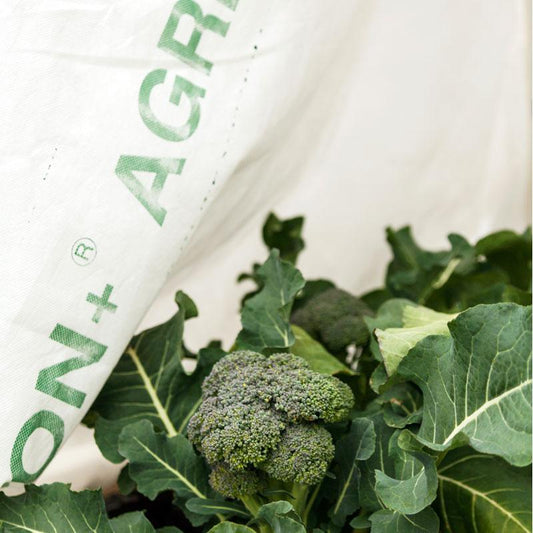
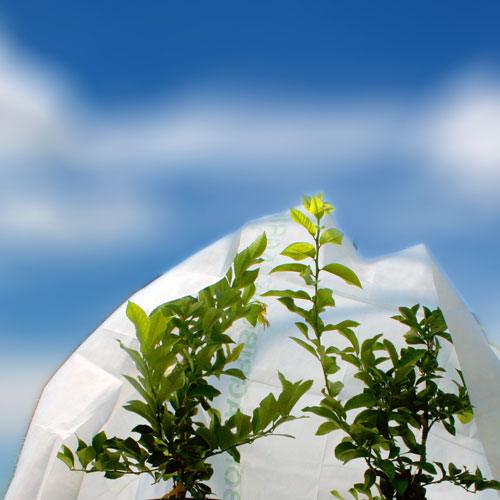
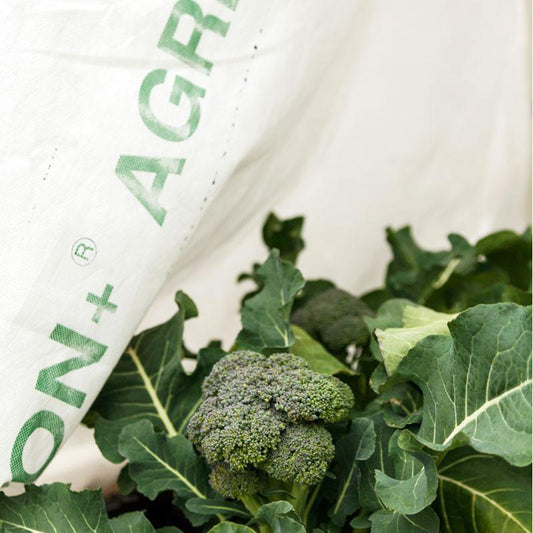
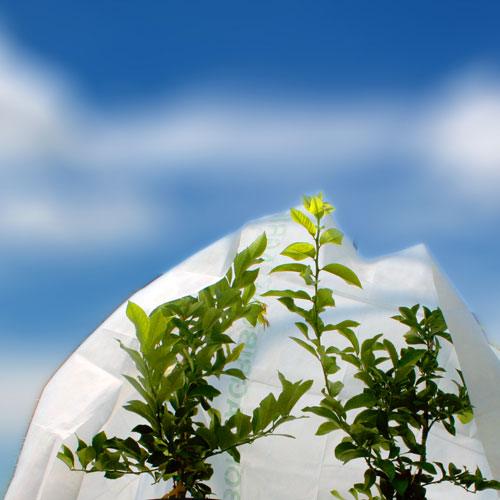
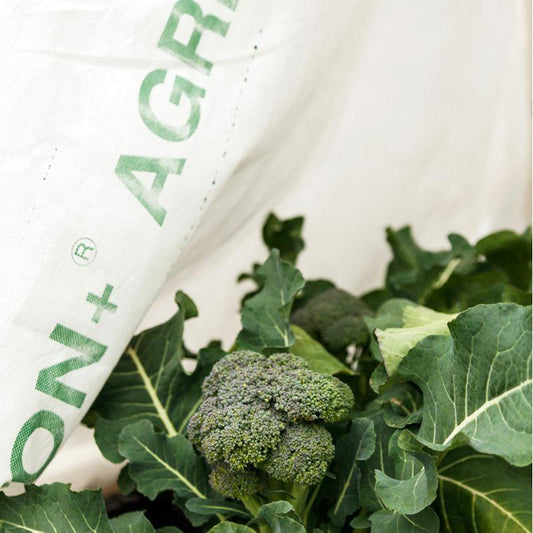
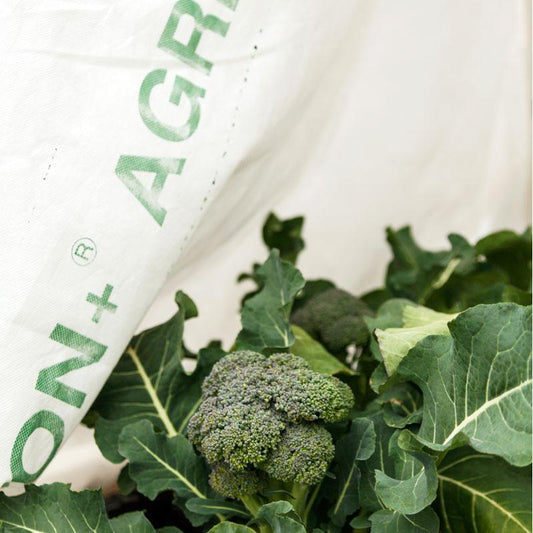
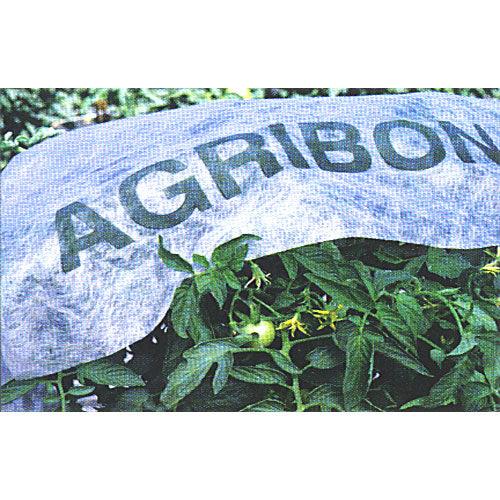
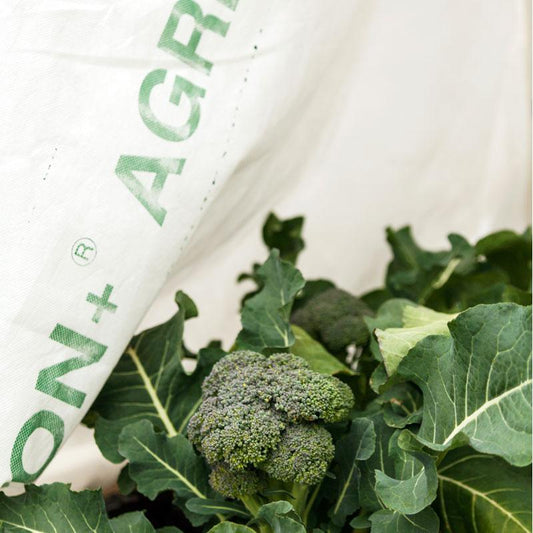
- Agribon AG-30 Floating Row Cover: An option for protecting suitable beds after mapping cold spots. Measure the bed and allow enough fabric to secure the edges.
Browse row covers and other frost and sun protection supplies for the task. Our guides explain how covers retain heat and how to choose the right cover.
If considering greenhouses, monitor inside temperatures too. An unheated structure can still freeze.
Conclusion: Let Your Garden Guide You
Creating a microclimate in your garden starts with observation. Buildings, slopes, and planting choices create microclimates, but measurements show which ones help protect plants.
Keep your map and update it each season. Several careful readings are more useful than guessing from one chilly morning.