Count Backward From Your Frost Date to Start Seeds
The useful question is not simply “When should I start seeds?” It is “When should this crop be transplanted outdoors in my garden, and how many weeks does it need indoors?” Start with your average last spring freeze, adjust for the crop's cold tolerance and your microclimate, then count backward.
Average dates describe historical probability, not a promise about this year's weather. Watch the forecast and harden seedlings before transplanting. Use the soil-temperature chart alongside the calendar.
Four-step calculation
- Find the average last spring freeze for a nearby weather station or local extension source.
- Choose the outdoor planting date based on crop tolerance. Hardy crops may go out before the average last freeze; tender crops generally wait until frost danger has passed and soil has warmed.
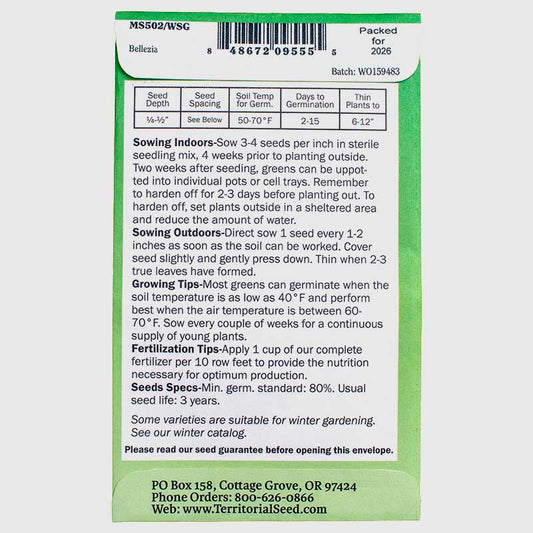
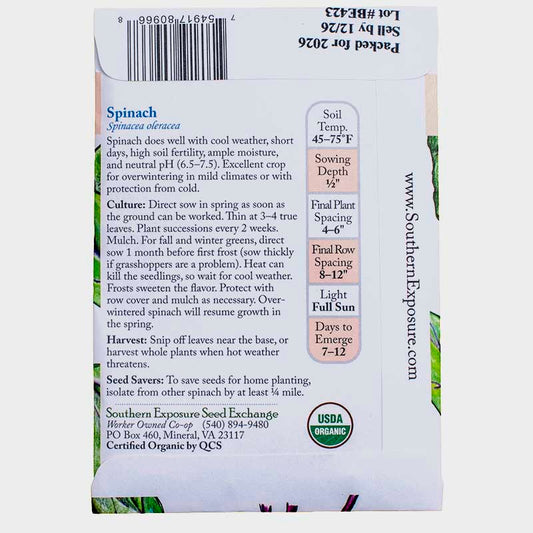
- Find the recommended indoor lead time on the packet or current crop guide.
- Count backward from the outdoor planting date. Add a small scheduling buffer only if your conditions justify it; overly old transplants can become stressed or root-bound.
Approximate indoor lead times
| Crop | Approximate indoor time | Outdoor timing |
|---|---|---|
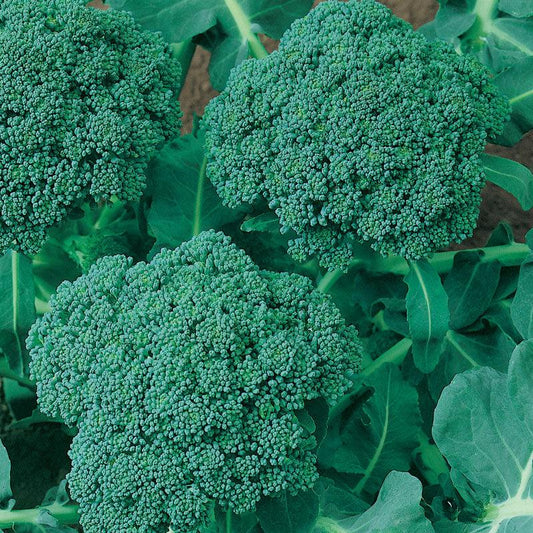
| Broccoli, cabbage, cauliflower, kale | 4–7 weeks | Often transplanted before or near the last frost, depending on acclimation and local conditions. |
| Lettuce | 3–5 weeks | Can tolerate cool conditions; protect tender greenhouse-grown seedlings from abrupt exposure. |
| Onion and leek | 8–12 weeks | Transplant while conditions are cool; variety day-length adaptation also matters. |
| Tomato | 5–8 weeks | After frost danger and once nights and soil are suitable. |
| Pepper and eggplant | 7–10 weeks | After frost danger; these crops benefit from consistently warm conditions. |
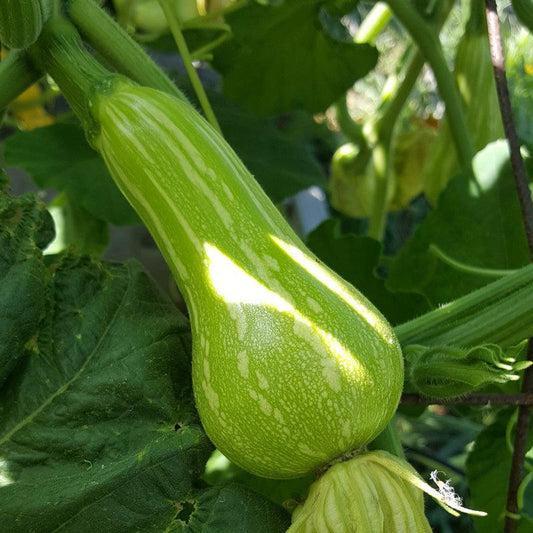
| Cucumber, melon, squash | 3–4 weeks | Start only shortly before warm transplanting weather to avoid oversized plants. |
| Many annual flowers | 4–10 weeks | Varies widely; some are better direct sown. |
| Many perennial flowers | Varies | Check for stratification or other dormancy requirements. |
Crops often better direct sown
Carrots, radishes, turnips, peas, beans, and corn are commonly direct sown. Cucumbers, melons, and squash can be started indoors, but direct sowing is often practical once the soil is warm. Check each crop guide: tap-rooted plants and fast-growing seedlings may not benefit from extra time in a tray.
Build a useful seed-starting calendar
For each variety, record the outdoor planting date, indoor lead time, sowing date, expected emergence, pot-up date if needed, hardening period, and transplant date. Keep varieties separate because maturity and growth rate can differ within a crop. The calendar becomes more accurate after you add your actual emergence and transplant results.
Hardening and weather decisions
Begin hardening seedlings by gradually exposing them to outdoor light, wind, and temperature. Avoid moving tender greenhouse-grown plants directly into full sun or a cold night. If the forecast changes, holding a transplant for a few days may be safer than following the calendar rigidly.
Find seed-starting supplies, including trays and seed-starting media, after deciding which crops you will actually start indoors.
Indoor-starting questions
Is the USDA hardiness zone my frost date?
No. Hardiness zones summarize average annual extreme minimum temperature and are most useful for perennial survival. Use local freeze-date records for annual planting schedules.
What if seedlings are ready too early?
Improve light, avoid excessive warmth or fertilizer, and pot up only if necessary. Do not put tender seedlings outdoors merely because a calendar date arrived.
Should every vegetable be started indoors?
No. Many root crops, peas, beans, and corn are commonly direct sown, and fast cucurbits may be easier to direct sow after the soil warms.
When should I begin hardening?
Allow roughly a week or more for gradual adjustment, modified for crop tolerance and weather. Protect plants from abrupt sun, wind, and cold.
Continue planning your seed garden
Return to the Seed Learning Center for crop guides, seed-starting help, and shopping pathways.