Introduction
Before adding fertilizer or soil amendments, take a closer look at your water. Each watering adds dissolved minerals to your garden. Over time, those minerals can affect roots, soil, and plant growth. An irrigation water test helps explain what your water contains. When paired with a soil test, it can help you avoid buying products your garden does not need.
Fall is a useful time to review summer problems and plan for next year. Start with the report, then decide what needs attention.

Start With a Useful Water Sample
Ask an agricultural lab for irrigation water testing suited to your garden or orchard. Tell the lab which crops you grow and whether they are in containers or the ground. Different water sources can have different mineral levels. Identify whether your sample comes from a well, pond, or public water supply.
Follow the lab’s directions when collecting your water sample. Record the date, source, and any treatment used before sampling. Ask for pH, alkalinity, electrical conductivity, sodium, calcium, magnesium, chloride, and boron. These results give a broader view of irrigation water quality than a pH reading alone.
Understand Water pH vs Alkalinity
These readings are related, but they answer different questions.
What does pH tell you?
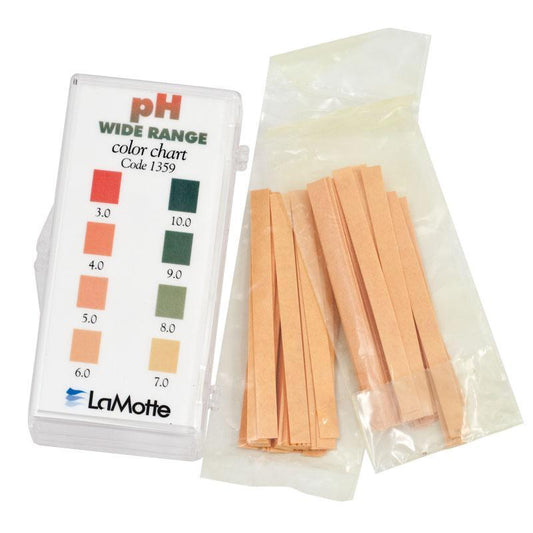
Irrigation water pH shows how acidic or alkaline the sample is. A pH level below 7 is acidic. A reading above 7 is alkaline. However, a higher pH does not always mean the water needs treatment. The pH of irrigation water does not show how much it will change your soil.
Why does alkalinity matter?
Alkalinity is a measure of water’s ability to neutralize acidity. Bicarbonates and carbonates provide much of this effect. Think of pH as the current reading. Alkalinity tells you how strongly the water resists added acid.
Understanding water alkalinity for plants is especially useful for container gardens. Repeated watering with high-alkalinity water can raise potting-mix pH. This may affect plant nutrition, since some nutrients become harder for roots to take up.
The alkalinity of the water is often listed in mg/L as calcium carbonate. Check this value before deciding that alkaline irrigation water needs correction.

Read the Salt and Sodium Results
Check electrical conductivity
Electrical conductivity, or EC, helps measure irrigation water salinity. More dissolved salts generally produce a higher EC reading.
Reports may use dS/m or mS/cm. These two units have the same numerical value.
Salt accumulation makes it harder for roots to draw in water. Plants may show reduced water uptake even when the soil feels moist.
Check the result against your crop’s salt tolerance. Drainage and watering practices also matter. One EC limit will not suit every garden.
Look at sodium and other minerals
The sodium adsorption ratio, or SAR, compares sodium with calcium and magnesium. Ask the lab to interpret SAR together with EC.
An unfavorable balance can harm soil structure, especially in soils that contain clay. Water may then move into the soil more slowly.
Also check chloride and boron. High concentrations can damage sensitive crops. Brown leaf edges may be a clue, but symptoms alone cannot confirm the cause.
Practice With a Sample Report
The following test results are fictional. They show which questions to ask, not which numbers to aim for.
| Measurement | Example | Question to ask |
|---|---|---|
| pH | 7.8 | What is the alkalinity? |
| Alkalinity | 180 mg/L as CaCO₃ | Could this raise my potting-mix pH over time? |
| EC | 1.0 dS/m | Is this suitable for my crop and soil? |
| SAR | 4 | What does this mean alongside EC and soil texture? |
Always read the units. A bicarbonate value in mg/L is not the same number as alkalinity expressed as mg/L calcium carbonate.
Ask the lab to explain any warning flags. Guidance for turf should not become an automatic target for vegetables or fruit trees.

Choose the Right Testing Tools
An irrigation tester should match the question you need to answer. When comparing field meters, check what each tool measures.
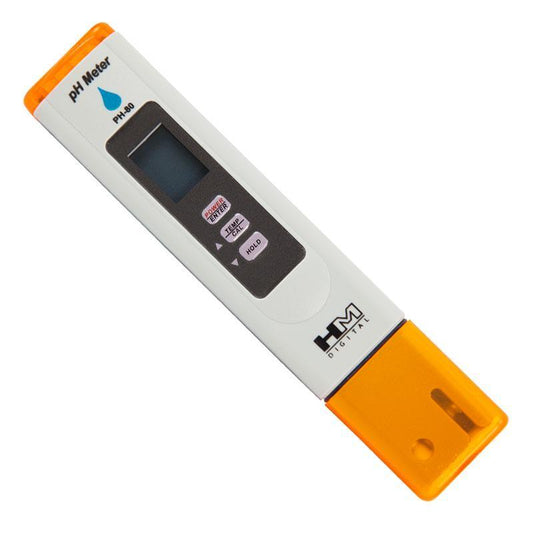
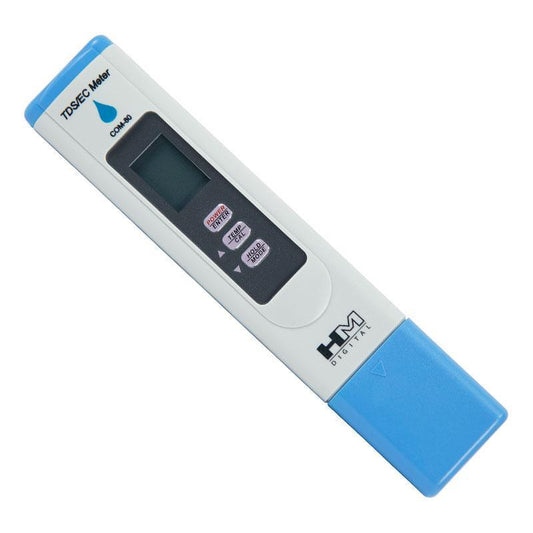
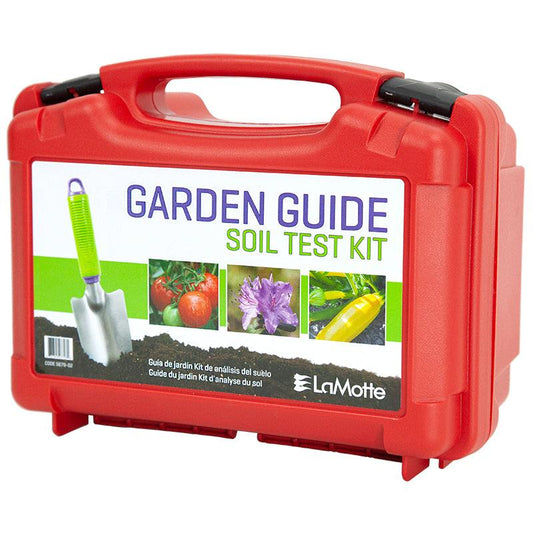
Two products in Grow Organic’s soil-testing collection can support water checks:
- HM Digital pH Hydrotester Meter: This water pH meter provides spot readings. It does not measure alkalinity or identify salts.
- HM Digital TDS EC/Temp Hydrotester: This tool measures EC and temperature and provides a TDS reading. It cannot identify sodium, chloride, or boron.
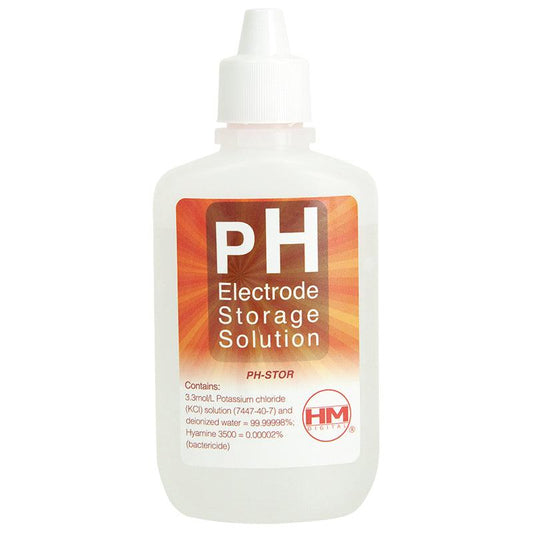
Follow the instructions for calibration, cleaning, and storage. Keep a dated log so you can compare readings over time.
Check the Soil Before Adding Products
A water report describes what you apply. A soil report helps explain conditions around the roots.
Use our guide to understanding professional soil-test results to review that separate report.
If sodium is a concern, read about gypsum in saline or sodic soils. Gypsum should match a diagnosed problem, rather than serve as a routine treatment.
Likewise, adjusting pH of irrigation water requires more than a pH reading. Some professional systems use sulfuric acid, but treatment depends on alkalinity and equipment. Obtain qualified advice instead of following a general acid-dosing recipe.
Make a Plan Based on Results
Review your crop needs, soil condition, and available water resources before changing inputs. The next step may be further testing rather than another amendment.
Keep chemistry and equipment checks separate. An irrigation test for pressure cannot tell you which minerals are in the water.
Conclusion
An irrigation water test helps you understand what your plants receive with each watering. Review pH, alkalinity, EC, SAR, and relevant minerals alongside your soil test before adding treatments or amendments.
Remember that water quality and irrigation performance are separate concerns. An irrigation system pressure test checks water delivery, while a sprinkler system should also provide even coverage. A clogged or damaged sprinkler head can cause uneven watering even when the water quality is suitable.
Use both water and equipment checks to identify the actual problem before making changes to your irrigation practices.