
How to Store Carrots After Harvest: Expert Tips for Storing Carrots Without Them Getting Limp or Bitter
You grew beautiful carrots, pulled them at the right time, and brought them inside feeling proud. A week later, they are limp, rubbery, or taste off. This is a common frustration for gardeners. Knowing how to store carrots after harvest is just as important as growing them well.
Carrots are a root vegetable, and once they leave the garden beds, they begin losing moisture and sugars. The good news is that with the right storage methods, fresh carrots can stay crisp, sweet, and usable for weeks or even months.

The First Step: What to Do Right After Harvest
The best way to store carrots starts the moment they are harvested. As soon as carrots come out of the soil, they begin to lose moisture through the carrot tops and greens tops. Always remove the greens right away.
Leaving carrot greens attached pulls moisture out of the root, which causes carrots to go limp quickly. Trim greens cleanly, leaving about half an inch of stem. Do not wash carrots yet unless they are heavily caked with mud.
If carrots are very dirty, rinse lightly and let them air dry completely before storing. Carrots stored properly should never go into storage wet on the surface.
How to Store Fresh Carrots in the Fridge
For most gardeners, the refrigerator is the easiest option. Understanding how to store raw carrots properly prevents limp roots, bitterness, and flavor loss.
Best Way to Store Carrots in the Refrigerator
The key is keeping carrots cold and slightly moist, but not soaking wet. Place unwashed or lightly cleaned carrots in a plastic bag with a few small holes for airflow, then store the bag in the crisper drawer. The crisper holds humidity, which helps carrots stay fresh for weeks. This method shows the best way to store carrots in fridge conditions, whether you grow your own or bring them home from the grocery store.
For peeled or sliced carrots, the best way to store cut carrots is in an airtight container or submerged in cold water in the fridge. Change the water every few days to maintain freshness and crispness.
Cold Water Storage Option
Some gardeners prefer cold water storage for both whole and cut carrots. Place carrots in a container of cold water and refrigerate, changing the water every few days. This method keeps carrots crisp and flavorful, though it requires a little maintenance. Properly stored, carrots can remain fresh in water for up to two weeks.
This approach also demonstrates how to store carrots in fridge short term or for longer periods, keeping them at peak flavor and texture.

How to Store Carrots From the Garden Long Term
If you harvested a large crop, refrigerator space may not be enough. Long term storage requires cooler temperatures and controlled moisture.
Cold Storage Carrots in a Root Cellar Style Setup
Cold storage carrots do best at temperatures just above freezing, ideally between 32°F and 40°F. A basement, garage, or dedicated cold storage area can work.
Pack carrots in moist sand, sawdust, or peat moss. The material should feel damp, not wet. This prevents carrots from drying out while avoiding rot. Stored this way, carrots can stay fresh for several months.
This is one of the best ways to store carrots long term if conditions are right.
Leaving Carrots in the Ground
In mild climates, carrots can be left in the ground and harvested as needed. Mulch heavily to protect from cold. Once the ground freezes solid, however, carrots should be harvested to prevent damage.

How to Store Cut, Chopped, or Sliced Carrots
Gardeners often ask how to store cut carrots or how to store sliced carrots once preparation begins.
For cut or chopped carrots, place them in an airtight container or freezer bag with a little cold water. Store in the refrigerator and use within a week. Change the water every few days.
This is also the best way to store chopped carrots if you want them ready for quick meals.
Freezing Carrots for Long Term Storage
Freezing carrots is another reliable option. To do this correctly, blanch carrots briefly in boiling water, then cool quickly in ice water. Drain well and pack into a freezer bag.
Freezing carrots works best for cooking, not fresh eating. Frozen carrots lose their crunch but keep flavor and nutrition.
Why Carrots Get Limp or Bitter
Carrots go limp when they lose moisture. They turn bitter when stored near fruits like apples that release ethylene gas. Always keep carrots away from apples, pears, and bananas.
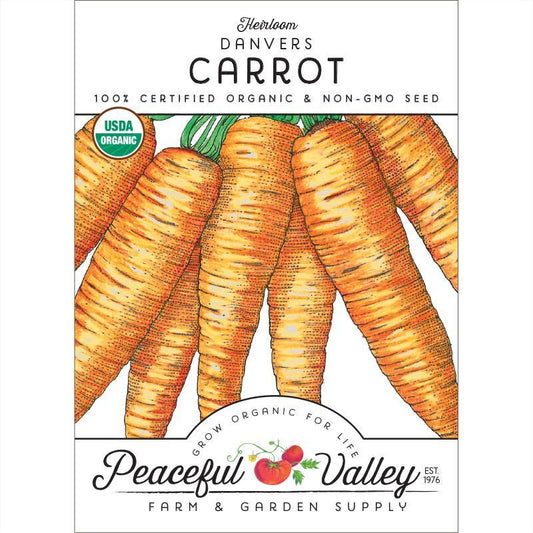
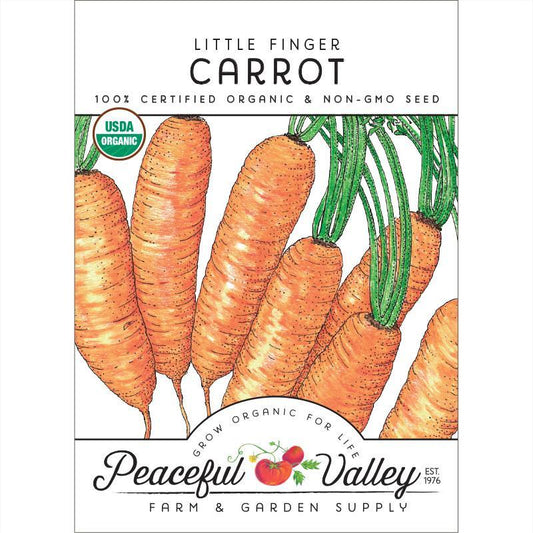
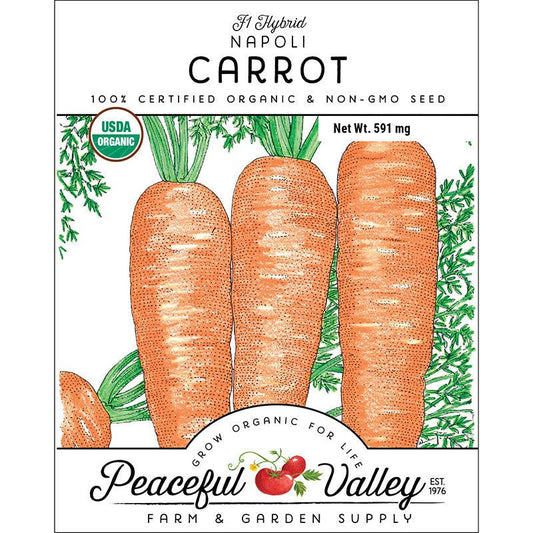
Storing carrots fresh also depends on variety. Some carrot varieties, such as Danvers or Napoli, store better than very slender types like Little Finger.
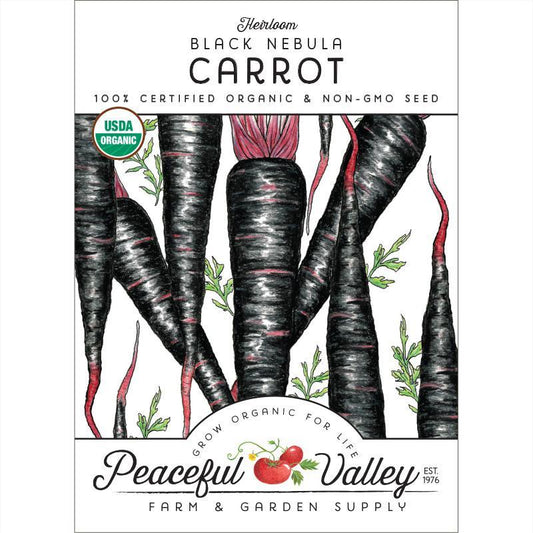
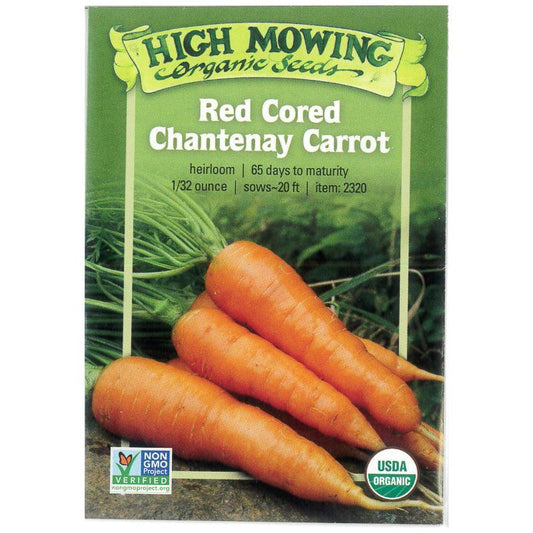
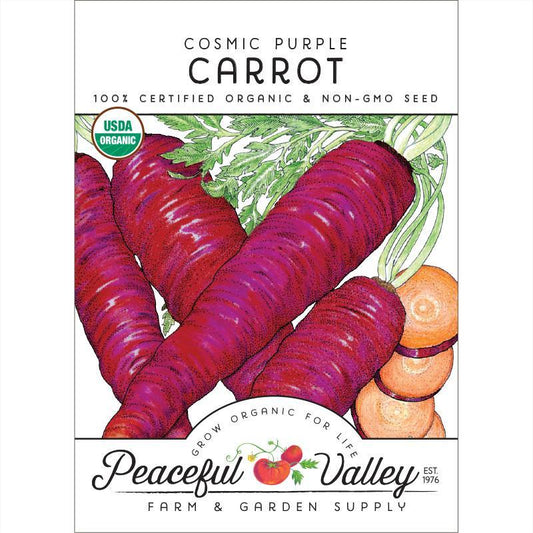
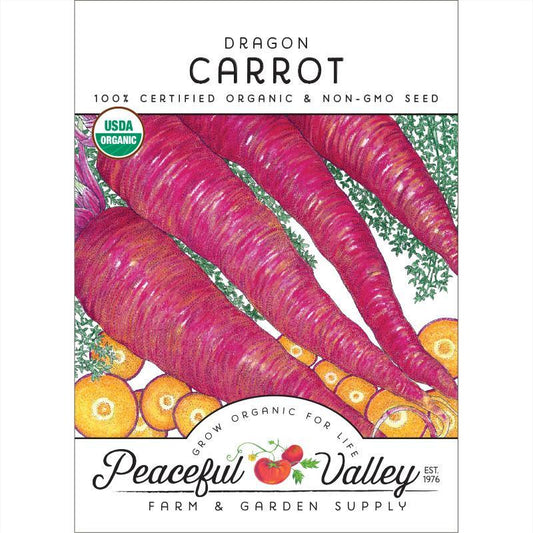
You can explore storage friendly and colorful options in the carrot seeds collection, which includes classic and specialty varieties like Cosmic Purple, Chantenay, and Black Nebula.

Washing Before Storage: Yes or No?
Should carrots be washed before storing? Generally, no. Washing introduces moisture that can lead to rot unless carrots are dried thoroughly. Brush off excess soil and wash only before use.
Storage Tips That Make a Difference
Good carrot storage tips come down to consistency. Keep carrots cold, keep them slightly moist, and remove the greens. These simple steps help carrots stay fresh far longer than most gardeners expect.
Flavor also begins in the soil. Carrots grown in healthy soil store better, as explained in this guide on enhancing carrot flavor through soil and growing conditions.
Conclusion
Learning how to store carrots after harvest saves time, effort, and food. Whether you store carrots in the refrigerator, in cold water, in moist sand, or by freezing carrots, the goal is the same. Keep them cold, keep them hydrated, and remove the greens.
When carrots are stored properly, they stay crisp, sweet, and ready to use long after harvest.
Once your carrots are stored well, enjoy them in simple recipes like this comforting carrot ginger soup, which works beautifully with carrots kept fresh and flavorful.