How Hot Is a Jalapeño? Scoville Heat Units Explained
Jalapeños are one of the most popular peppers for home gardens, and for good reason. They’re productive, easy to cook with, and spicy enough to be exciting without being extreme. If you’ve ever checked the peppers scoville scale, jalapeños fall right in the middle, which explains their balanced heat.
Still, if you’ve ever bitten into two jalapeños and felt totally different heat levels, you’re not imagining it. On scoville scale peppers, jalapeños typically range from 2,500 to 8,000 SHU, so when people ask how many shu is a jalapeno pepper, the answer isn’t a single number. A jalapeño can taste mild and grassy one day, then sharp and fiery the next, depending on variety, growing stress, and when you harvest.
Let’s break it all down in a way that actually helps you grow better peppers and pick them at the right time.

Why Jalapeño Heat Varies From 2,500 to 8,000 SHU
If you’ve ever checked a pepper Scoville chart, you’ve probably noticed jalapeños sitting right in the middle. They’re hotter than mild chiles but far below super-hot peppers like the ghost pepper.
On the Scoville scale, jalapeños typically range from about 2,500 to 8,000 Scoville Heat Units (SHU). That puts jalapeño heat firmly in the moderate range. If you’re wondering how many Scoville units a jalapeño has, that’s the number most growers and charts use—though actual heat can vary depending on how and where the peppers are grown.
Green vs Red Jalapeños: Does Color Change the Heat?
A big question gardeners ask is whether a green pepper jalapeno is hotter than a red one. Jalapeños start out green, and if left longer on the plant, they ripen and turn red.
While ripening affects flavor more than heat, gardeners often wonder how many Scoville units are in a jalapeno pepper. Both green and red pepper jalapenos generally fall in the same range, about 2,500–8,000 SHU, though red peppers taste slightly sweeter and fruitier while maintaining their mild-to-medium spiciness.
Green jalapeño flavor
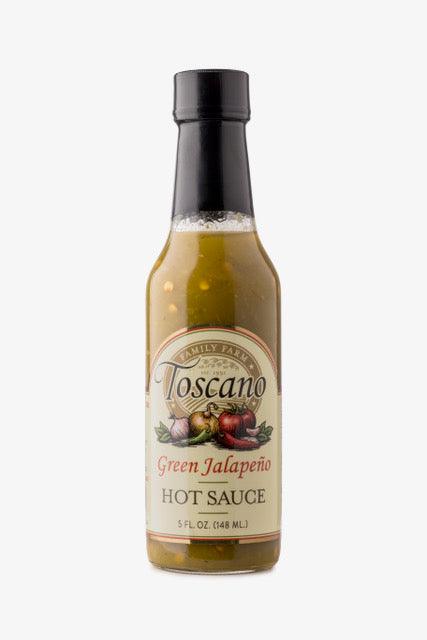
A green jalapeño usually tastes fresh, crisp, and slightly grassy. It’s the classic choice for jalapeño poppers, salsa, and slicing fresh. Many are harvested while still dark green, firm, and glossy.
Red pepper jalapeños
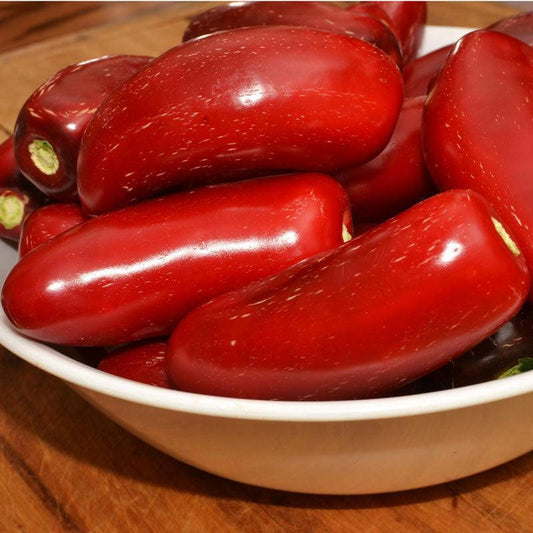
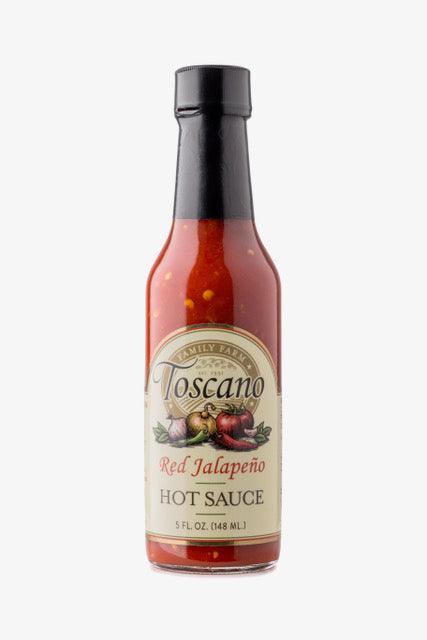
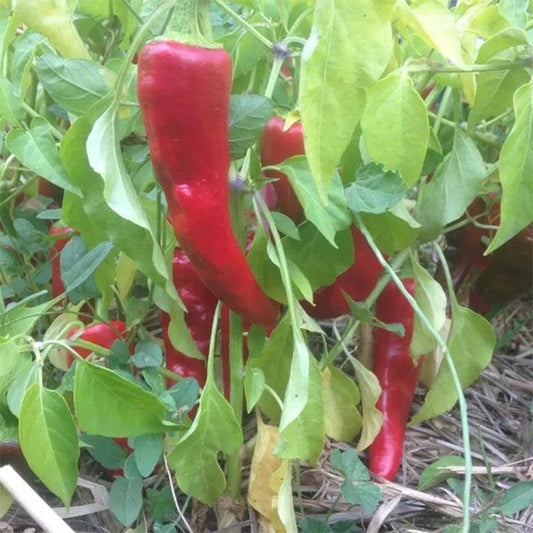
A ripe jalapeño is basically a jalapeño that stayed on the plant longer until it turned red. A red jalapeño can taste sweeter, fruitier, and more complex. It’s a great choice for drying, smoking, and blending into hot sauces.
Which color jalapeño is the hottest?
It depends. Red jalapeños can taste hotter because the flavor is deeper, but the heat level can be similar. The biggest heat swings usually come from stress, not color alone.

When to Pick Jalapeño Pepper for the Flavor You Want
Knowing when to pick jalapeno pepper is one of the easiest ways to control taste.
So, when to pick a jalapeno pepper?
Pick early for crunch and brightness
Harvest when peppers are firm, smooth, and about 3–4 inches long, depending on the variety. At this stage, they’re great for fresh eating, slicing, and pickled jalapeños.
Pick later for deeper flavor
If you leave jalapeños longer, they develop more sweetness and a richer chile taste. Some may show corking, which looks like tan stretch marks. Corking is normal and often appears when plants grow fast.
If you want bold flavor for smoking or sauces, wait until the pepper is fully colored red.
Why One Jalapeño Is Mild and Another Is Hot
Jalapeños are unpredictable because heat is influenced by the plant’s environment.
Growing conditions that increase heat
Hotter peppers often come from stressful growing conditions, like:
- uneven watering (dry spells followed by heavy watering)
- very hot weather
- poor soil nutrition
- crowded plants with low airflow
When pepper plants struggle, they often produce more capsaicin, the compound that creates heat.
If you want steadier growth and better harvests, follow the feeding basics in Best Fertilizer for Peppers: 6 Tips for Growing Peppers. For full-season help, the pepper growing guide is a solid reference.
Thick walls and heat perception
Some jalapeños have thick walls, which makes them great for stuffing and grilling. Thick-walled peppers can sometimes feel milder because there’s more flesh compared to the spicy inner ribs, but it varies.

Jalapeño Variety Matters More Than You Think
Not every jalapeño is the same. A jalapeño variety bred for early harvest may taste different than one bred for higher yields or stronger heat.
If you want a dependable garden jalapeño, Hot Jalapeno Early Pepper Seeds (Organic) are a great choice. “Early” types can help gardeners get peppers faster, especially in short summers, because they mature reliably within the growing season.
For gardeners who want more pepper options beyond jalapeños, you can browse our full pepper seeds collection, including the hot pepper seeds collection. If you want to compare heat and shape across types, Parade of Peppers is a fun overview.
Jalapeño Pepper Growing Tips for a Better Harvest
Good jalapeno pepper growing tips come down to three things: warmth, consistency, and patience.
Sun and spacing
Jalapeños need full sun and warm soil. Give plants space so leaves dry quickly after watering, which helps reduce disease.
Water steadily
Aim for deep watering that keeps soil evenly moist. Big swings in moisture can lead to smaller fruit and unpredictable heat.
Feed for steady growth
Healthy plants set more fruit. If you’re new to peppers, this step-by-step how to grow peppers guide makes it simple.
Cooking and Substitutes: What If You Don’t Have Jalapeños?
A fresh jalapeño is hard to beat, but sometimes you need a backup.
A jalapeno pepper substitute or substitution for jalapeno pepper depends on your goal:
- For similar heat: serrano peppers (often hotter)
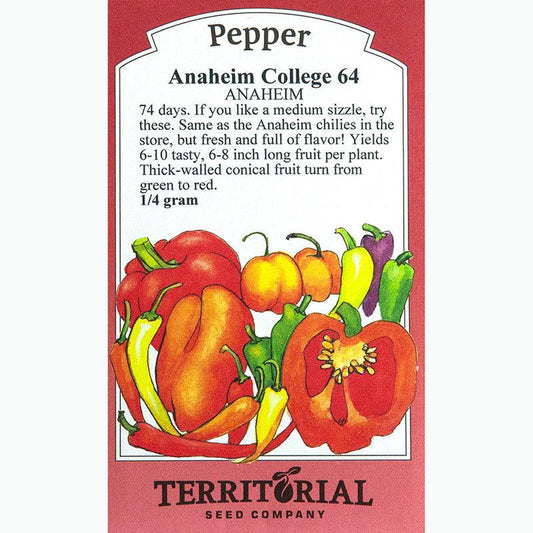
- For mild heat: Anaheim peppers
- For smoky flavor: chipotle (smoked red jalapeño)
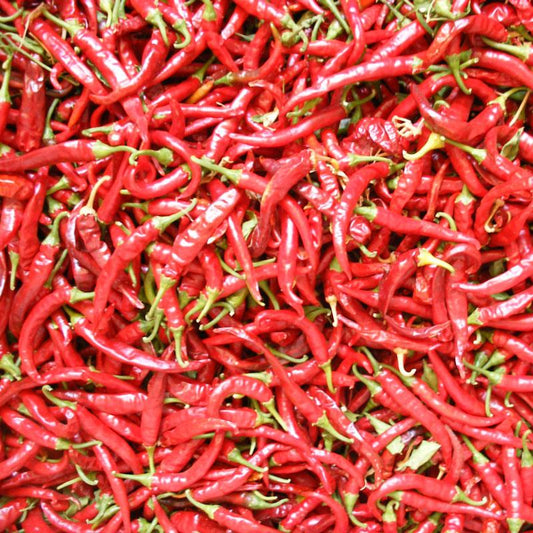
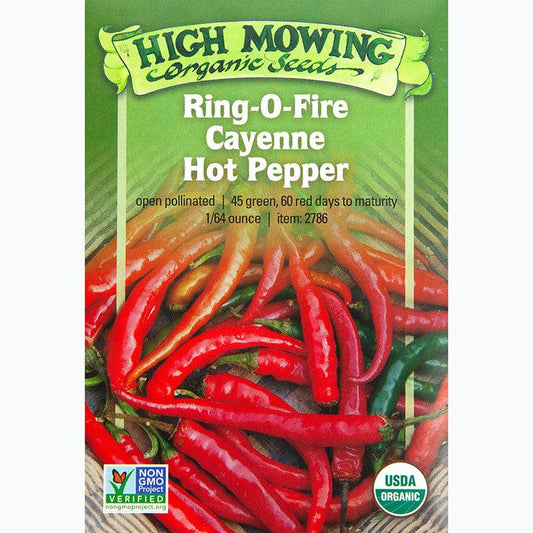
Jalapeños also pair well with other chiles in the kitchen, including cayenne for extra heat. Just remember that chile pepper heat can shift a lot by variety and growing conditions.
Conclusion
Jalapeños are a garden classic because they’re flavorful, productive, and flexible. Their heat level is moderate on the Scoville scale, but it can change based on harvest timing, plant stress, and variety. If you want crisp, bright flavor, pick them dark green. If you want richer taste for sauces, let them ripen until they’ve turned red.
Once you understand what affects heat, you can grow jalapeños that match your kitchen, whether you want mild slices, spicy poppers, or bold peppers for hot sauces.